

Tobacco in Perfumery: Dark, Sweet, and Endlessly Sophisticated
Tobacco is a distinctive perfumery raw material with a personality all its own, a note every fragrance lover should learn to recognise on skin.
By Julia Moretti 7 min read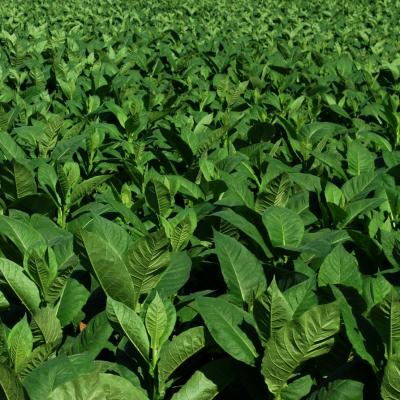
Tobacco in Fragrance: The Note That Commands Respect
Tobacco holds a unique position in the fragrance world. It is one of the few raw materials that simultaneously evokes pleasure and transgression, luxury and decadence, nostalgia and edge. In the real world, the social acceptability of tobacco has declined dramatically over the past few decades. In the olfactory world of perfumery, however, tobacco has never been more popular or more creatively explored.
The tobacco note in fragrance is not simply the smell of cigarette smoke — though that reading is available in certain compositions. It is the smell of cured tobacco leaf: warm, slightly sweet, honeyed, with a woody, slightly dry character and a complexity that emerges gradually as the material develops on the skin. It is the smell of a fine cigar, a pipe bowl, or a cured-leaf warehouse, and its associations are with pleasure, contemplation, and a certain unhurried approach to experience.
In the hands of a skilled perfumer, tobacco creates fragrances of extraordinary depth and character. It is a note that has defined some of the most beloved compositions in the history of perfumery, and its current resurgence — in both mainstream designer and niche fragrance — shows no sign of abating.
What Tobacco Smells Like in Fragrance
The aroma of cured tobacco leaf is a paradox of richness and dryness. At its sweetest, particularly in Virginia-style blond tobacco, there is a honeyed quality with a warm, slightly herbaceous character. At its most complex — in oriental, burley, and Latakia-style tobaccos — there are smoky, almost leathery facets, with a depth that can range from warm and inviting to dark and challenging depending on the processing method and the composition of the fragrance around it.
In perfumery, the tobacco note rarely aims to replicate any single specific tobacco leaf or preparation. Instead, perfumers work with an accord — a combination of materials, both natural and synthetic — that evokes the essential quality of tobacco: warm, slightly sweet, honeyed, with a dry, slightly bitter character beneath the sweetness. The result is a note of great versatility: it can be soft and sweet in a warm oriental, dark and smoky in a leather fragrance, or dry and herbal in an aromatic masculine.
The natural companion of tobacco in the fragrance vocabulary is vanilla — a pairing so natural it has become a genre in itself. Tobacco and vanilla together create what perfumers call the ‘tobacco absolute’ accord: warm, slightly sweet, with a dry, slightly bitter counterpoint from the tobacco that prevents the vanilla from becoming cloying. It is one of the most satisfying dual accords in all of fragrance, and it appears in countless classic and contemporary compositions.
Tobacco in the History of Perfumery
Tobacco first came to Europe from the Americas in the sixteenth century, initially as a medicinal material and gradually as a recreational one. Its use in fragrance followed naturally: the cured leaf had a distinctly pleasurable aroma, and European perfumers were quick to incorporate it into their preparations. By the seventeenth century, tobacco-scented preparations were fashionable among the aristocracy, and the association between tobacco, luxury, and masculine sophistication was already well established.
In the commercial fragrance era of the nineteenth and twentieth centuries, tobacco became a staple of masculine fragrance development. The late-nineteenth century saw the emergence of the fougere and aromatic traditions in masculine fragrance, and tobacco — with its warm, slightly sweet, naturally masculine character — found a natural home in these genres. Many of the great masculine fragrances of the mid-twentieth century featured tobacco as a prominent or structural note, from classic barbershop-style colognes to the more complex orientals of the 1970s and 1980s.
The contemporary tobacco renaissance in perfumery owes much to the influence of niche and artisan houses that began exploring the note with fresh eyes in the early 2000s. As the mainstream fragrance market moved toward lighter, fresher aquatics, the niche world found in tobacco a note of genuine substance and character that could anchor serious, adult compositions of the kind that the mainstream had largely abandoned.
Extraction and Aroma Chemistry
Natural tobacco absolute and tobacco extract are produced from cured tobacco leaf by solvent extraction. The resulting material is complex and variable: different tobacco varieties and curing methods produce substantially different aroma profiles, and the perfumer must choose carefully among available extracts to achieve the desired effect.
The key aroma compounds in tobacco include various pyrazines (which contribute the characteristic roasted, slightly nutty quality of cured tobacco), nicotine (which has a surprisingly faint, green-herbal aroma rather than the stronger smell of smoke), and a range of terpenoids and neophytadienes that develop during the curing process and contribute to the warm, complex base character. Coumarin — a molecule also important in tonka bean and sweet clover — is naturally present in some tobacco varieties and is also synthesised during curing, contributing the characteristic sweet, hay-like warmth that distinguishes fine tobacco from raw leaf.
In modern perfumery, tobacco is often represented by a combination of natural tobacco absolute and synthetic materials. Various iso compounds and woody-ambery synthetics are used to give the tobacco note a cleaner, more contemporary character, while still preserving the essential warmth and complexity of the natural material. Cashmeran, ethyl vanillin, and certain ambers are frequently used alongside tobacco absolute to create modern tobacco accords of great sophistication.
Tobacco in Famous Fragrances
Tom Ford Tobacco Vanille is the defining statement of the tobacco-vanilla accord in contemporary fine fragrance. Created by Olivier Gillotin for Tom Ford's Private Blend line, it places tobacco absolute at the absolute centre of its composition, surrounded by vanilla, cocoa, dried fruit, and warm spice. The result is a fragrance of extraordinary richness and presence, one of the most imitated and discussed niche fragrances of the past twenty years and a masterwork of tobacco perfumery.
Serge Lutens's Fumerie Turque takes a very different approach, using tobacco in the context of a smoky, slightly cumin-inflected oriental that evokes the atmosphere of a Turkish coffeehouse with remarkable specificity. Where Tom Ford's version is sweet and full-on, Serge Lutens's is drier, smokier, and more ambiguous — an excellent illustration of tobacco's range within the broader oriental tradition.
In the mainstream, Spicebomb by Viktor & Rolf uses tobacco as a key component of its spice-tobacco accord, where it provides warmth and depth to a composition that balances sweetness and spice in a beautifully accessible way. And Black Opium by YSL incorporates a subtle tobacco facet into its coffee-vanilla-jasmine accord, contributing to the fragrance's dark, nocturnal character.
Note Interactions: Tobacco's Perfect Partners
Tobacco is an exceptionally versatile base note that combines beautifully with a wide range of materials. Its relationship with vanilla has already been noted, but its range extends far beyond this single pairing. Tobacco with leather creates one of fragrance's most powerful masculine accords — dry, sophisticated, and slightly dangerous. With oud, tobacco becomes deeply opulent, an accord associated with the Middle Eastern luxury tradition that has had such influence on contemporary fragrance.
Tobacco with honey is a particularly beautiful combination — the two ingredients share a natural affinity, and together they create a warm, slightly animalic sweetness that is deeply appealing in autumn and winter compositions. Tobacco with amber and spice creates the classic masculine oriental base that has been used in fine fragrance for a century, while tobacco with iris or violet creates a more refined, powdery tobacco that is elegant rather than intense.
At the more challenging end of the spectrum, tobacco with incense or vetiver creates compositions of great austerity and intellectual seriousness — fragrances that are not about pleasure in any simple sense but about evoking a specific emotional or atmospheric state. These are the tobacco fragrances that divide opinion most sharply, beloved by connoisseurs and found impenetrable by those looking for something more immediately accessible.
Tobacco in the Fragrance Wardrobe
Tobacco-forward fragrances belong firmly to the cooler months and to the evening. Their warmth and density make them physically uncomfortable in hot weather, and their emotional register — contemplative, sophisticated, slightly nocturnal — aligns naturally with autumn and winter evenings. These are fragrances for fireside conversations, dinner parties, and moments of deliberate indulgence.
In practical wardrobe terms, a fine tobacco fragrance — whether the sweet opulence of a tobacco-vanilla oriental or the drier complexity of a tobacco-leather composition — is among the most impactful and memorable choices a fragrance enthusiast can make. These are not background scents; they make a statement and generate conversation. For those who want to wear their fragrance with intention and presence, the oriental and tobacco categories at Fragrenza offer some of the most compelling options available.