

Mandarin in Perfumery: The Sweetest Citrus
Mandarin is one of perfumery's brightest top notes. Learn how perfumers use it, what it smells like on skin, and the fragrances that wear it best.
By Julia Moretti 6 min read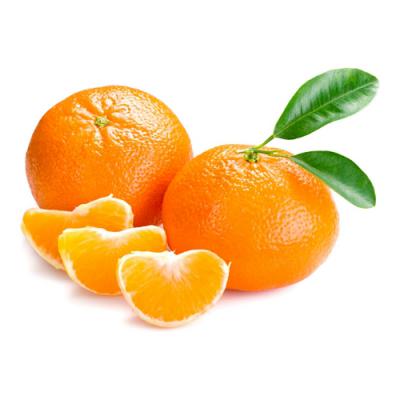
What Makes Mandarin Unique Among Citrus Notes?
In a family of ingredients celebrated for brightness and freshness, mandarin distinguishes itself through sweetness. Where lemon is sharply acidic, bergamot is bitter-floral, and lime is tart and resinous, mandarin offers something altogether more honeyed and approachable: a warm, luminous sweetness that carries hints of red fruit, a faint floral undertone, and a soft, almost jammy depth that other citrus notes rarely achieve. It is the most immediately likable of the citrus family, the note that children and adults alike tend to identify with pleasure rather than mere admiration — the olfactory equivalent of a smile.
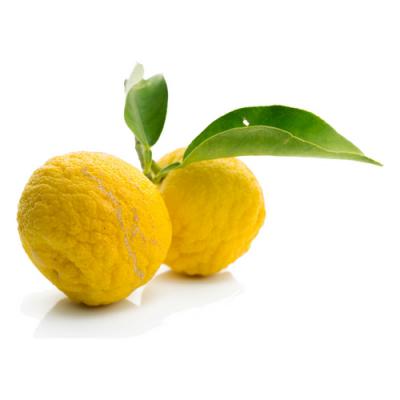
Two main varieties of mandarin are used in perfumery, and they differ from one another more substantially than their shared name might suggest. Green mandarin, harvested before full ripeness, offers a tart, slightly herbal brightness alongside its sweetness — the green facets provide an interesting tension that makes it particularly versatile in more complex, sophisticated compositions. Red mandarin, harvested at full ripeness, is intensely sweet, warm, and richly fruity, closer to the Christmas-associated smell of clementine peel than to any other citrus. Italian red mandarin from Sicily and Calabria is particularly prized for the quality of its essential oil, with a distinctive warm-honeyed richness that is immediately apparent even to non-specialists.
History of Mandarin in Western Perfumery
Mandarin orange (Citrus reticulata) originated in China, where it has been cultivated for thousands of years as both a food crop and a symbol of good fortune. Its introduction to Europe came in the early nineteenth century — the fruit arrived in England around 1805 and spread rapidly around the Mediterranean basin, finding particularly favorable growing conditions in Sicily, Calabria, and the Cote d'Azur region of France. By the mid-nineteenth century, mandarin cultivation was established throughout the Mediterranean, and the essential oil derived from its peel had begun to find its way into the emerging fine perfumery industry centered in Grasse and Paris.
In the classical perfumery of the late nineteenth and early twentieth centuries, mandarin was used primarily as a component of the citrus accord in the top notes of chypres, fougeres, and traditional Eau de Cologne-style fragrances. Its sweetness was valued as a counterpoint to the more austere bitterness of bergamot and the sharpness of lemon. The development of the fruity floral category in the 1990s and 2000s gave mandarin new prominence — its warm sweetness aligned perfectly with the trend for approachable, juicy, immediately likable fragrances aimed at a mass audience.
In the contemporary niche fragrance scene, mandarin has undergone something of a revaluation. Rather than being seen as a generic sweetener in the top notes, thoughtful perfumers have begun treating it as a note of genuine interest in its own right, exploring the differences between red and green varieties, the way the note evolves on skin, and its unexpected capacity for depth when combined with appropriate base materials. This more serious approach to citrus in general, and mandarin in particular, has produced some of the most interesting citrus-forward fragrances of the past decade.
Extraction and Key Molecules
Mandarin essential oil is produced by cold-pressing the peel of ripe or semi-ripe Citrus reticulata fruits. The cold-pressing process preserves the integrity of the delicate volatile aromatic compounds that constitute mandarin's characteristic smell, producing an oil that closely resembles the scent of fresh peel. The oil is rich in limonene, which accounts for approximately 65 to 75 percent of its composition by volume and contributes the characteristic citrus brightness shared by all citrus peel oils. However, what distinguishes mandarin from lemon or lime at the molecular level is its high content of methyl N-methylanthranilate — a compound with a distinctive, slightly floral, slightly grape-like sweetness that is responsible for mandarin's characteristic honeyed richness.
Gamma-terpinene, present in higher proportions in mandarin than in most other citrus oils, contributes a slightly herbal, turpentine-adjacent freshness that prevents the sweetness from becoming cloying. Alpha-sinensal, a sesquiterpene aldehyde found in the peel oil of oranges and mandarins, contributes a distinctive warm, almost ambery-citrus facet that deepens the overall impression and helps explain why mandarin can smell surprisingly rich and complex when it is allowed to develop on warm skin. Linalool and other terpene alcohols round out the profile with smooth, slightly floral softness.
Famous Fragrances Featuring Mandarin
Mandarin appears in a substantial proportion of the fragrance market, from the most budget-friendly body sprays to the most prestigious niche compositions. In the designer world, Coco Mademoiselle by Chanel features mandarin as a key top note contributor, where its warm sweetness establishes the composition's sense of confident femininity before the patchouli and musk base takes over. Chanel Chance also employs mandarin in its fresh opening, where the note's honeyed brightness adds warmth to the otherwise clean, citric accord.
In masculine fragrances, mandarin has been used to add warmth and approachability to what might otherwise be austere or challenging compositions. Parfums de Marly Layton uses mandarin in its opening accord alongside apple and bergamot to create a particularly inviting and fresh first impression before the fragrance's richer spice and wood heart is revealed. Thierry Mugler's Angel — the composition that essentially created the gourmand fragrance category — uses a mandarin-like citrus sweetness to introduce its chocolate and caramel heart. For those interested in the broader citrus family, our guide to bergamot provides an excellent comparative perspective, while our guide to lemon in perfumery covers the sharpest member of the citrus family.
Note Interactions: Mandarin's Aromatic Partnerships
Mandarin's particular combination of sweetness, warmth, and citric brightness makes it one of the most accommodating ingredients in the perfumer's palette. It pairs naturally with virtually every category of note while adding its distinctive warmth to everything it touches. With other citrus notes it creates a richer, more complex citrus accord: combined with bergamot it gains sophistication, with lemon it adds warmth to brightness, and with grapefruit it introduces a jammy sweetness that contrasts interestingly with grapefruit's bitter edge.
Spice notes are among mandarin's most successful partners. The combination of mandarin with cinnamon and cardamom creates a particularly warm, slightly exotic accord that recalls the smells of mulled wine and spiced desserts. With ginger, mandarin's sweetness is energized by the spice's sharpness, creating something that feels simultaneously refreshing and warming. Floral notes, particularly rose and neroli, integrate beautifully with mandarin — the three notes share certain aromatic compounds that create seamless transitions between them.
In the base notes, amber and vanilla bring out mandarin's warmer, more gourmand qualities, creating accords that can range from the cozy and comfortable to the genuinely edible in their sweetness. Sandalwood provides a creamy warmth that complements mandarin's own smooth sweetness while adding depth and longevity. Musks amplify mandarin's skin-like quality, making it feel intimate and personal. The patchouli and mandarin combination is particularly important in contemporary perfumery — the earthy richness of patchouli grounds mandarin's sweetness while mandarin's brightness prevents patchouli from becoming too dark or heavy, creating an equilibrium that is at the heart of many successful modern fragrances.
Mandarin in the Fragrance Wardrobe
Mandarin-forward fragrances are among the most universally wearable in the fragrance world. Their warmth and sweetness make them accessible to almost everyone, and their relatively undemanding character means they can be worn confidently across a wide range of occasions without risk of causing offence or feeling inappropriate. Summer and spring are the seasons where mandarin shines most clearly, its juicy brightness echoing the warmth of sunshine and the sensory pleasures of ripe fruit. However, unlike some citrus notes that feel out of place in cooler months, mandarin's inherent warmth allows it to carry into autumn without losing its appeal.
For those building a fragrance wardrobe, a mandarin-led composition makes an excellent everyday option — approachable enough for casual daytime wear, warm enough to feel considered rather than generic, and sufficiently complex in the right hands to reward close attention. The best-selling fragrances category frequently contains mandarin-accented compositions for precisely these reasons. Mandarin also layers beautifully with other fragrances: a mandarin citrus spray layered over a warmer, woodier base can create an effect of spontaneous, sun-lit complexity that is deeply appealing in the warmer months.