

Chypre Fragrances: The Sophisticated Scent Profile You Need to Know
Francois Coty's Chypre established the family with labdanum and oakmoss anchoring bergamot brightness; Mitsouko, Cristalle and Aromatics Elixir all inherit from that 1917 architecture.
By Julia MorettiFragrenza makes several of the alternatives featured in our guides — here’s how we test.
1 min read
What Makes a Fragrance a Chypre?
The chypre (pronounced sheep-ruh) family is one of perfumery's most storied and sophisticated traditions. Named after the island of Cyprus — chypre in French — the family traces its modern form to Francois Coty's 1917 masterpiece, also called Chypre. Coty's formula established the blueprint: bergamot at the top, labdanum and oakmoss at the base, with a heart of rose and/or jasmine bridging the two. The result was something entirely new — a fragrance that felt simultaneously fresh, mossy, and richly complex.
The Chypre Accord: Three Essential Elements
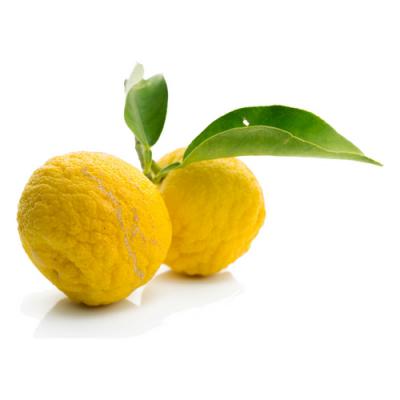
- Bergamot — a fresh, sparkling citrus that opens the fragrance with energy and brightness
- Oakmoss — the earthy, forested base that gives chypre its signature depth and complexity
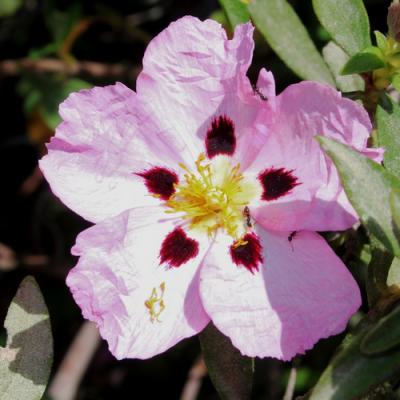
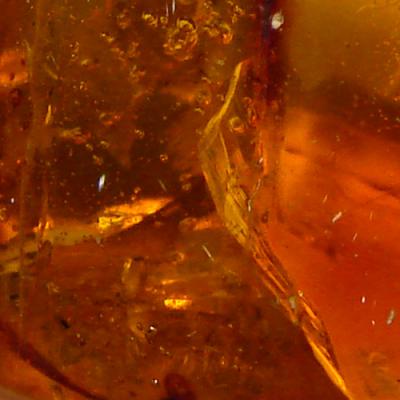
- Labdanum — a warm, ambery resin from rockrose that adds sweetness and tenacity
The interplay between these three creates the chypre's defining characteristic: a contrast between the bright freshness of bergamot and the dark, earthy gravity of moss and resin. This tension is what makes chypre fragrances feel so dynamic and alive.
The Subgenres of Chypre
Over the century since Coty's original, the chypre structure has spawned numerous subgenres:
- Floral Chypre — classic feminine expressions with rose or jasmine at the heart (think Miss Dior)
- Fruity Chypre — modern interpretations that layer peach or other fruits over the mossy base
- Leather Chypre — darker, more masculine expressions that add leather alongside the moss
- Green Chypre — featuring galbanum or violet leaf for a crisper, more herbal character
IFRA and the Modern Chypre Challenge
The International Fragrance Association's restrictions on oakmoss have dramatically changed the chypre landscape. True oakmoss — a lichen with a distinctive damp, earthy quality — is now heavily restricted due to sensitization concerns. Modern chypres must find alternative ways to achieve that dark, mossy gravity, typically through synthetic replacements like Evernyl or through clever layering of other materials.
Iconic Chypre Fragrances to Discover
- Miss Dior (original) — the archetypal floral chypre
- Mitsouko by Guerlain — arguably the greatest chypre ever made
- Cristalle by Chanel — a refined green chypre
- Aromatics Elixir by Clinique — a powerful, herbal chypre
Who Will Love Chypre Fragrances?
Chypre fragrances reward the fragrance lover who wants something with real depth and history — someone who finds simple florals or fresh aquatics too one-dimensional. They are fragrances for people who appreciate complexity, who like a scent that evolves on the skin and rewards close attention.