Green Fragrance: The Plant-Based Perfume Revolution Making Waves in 2026
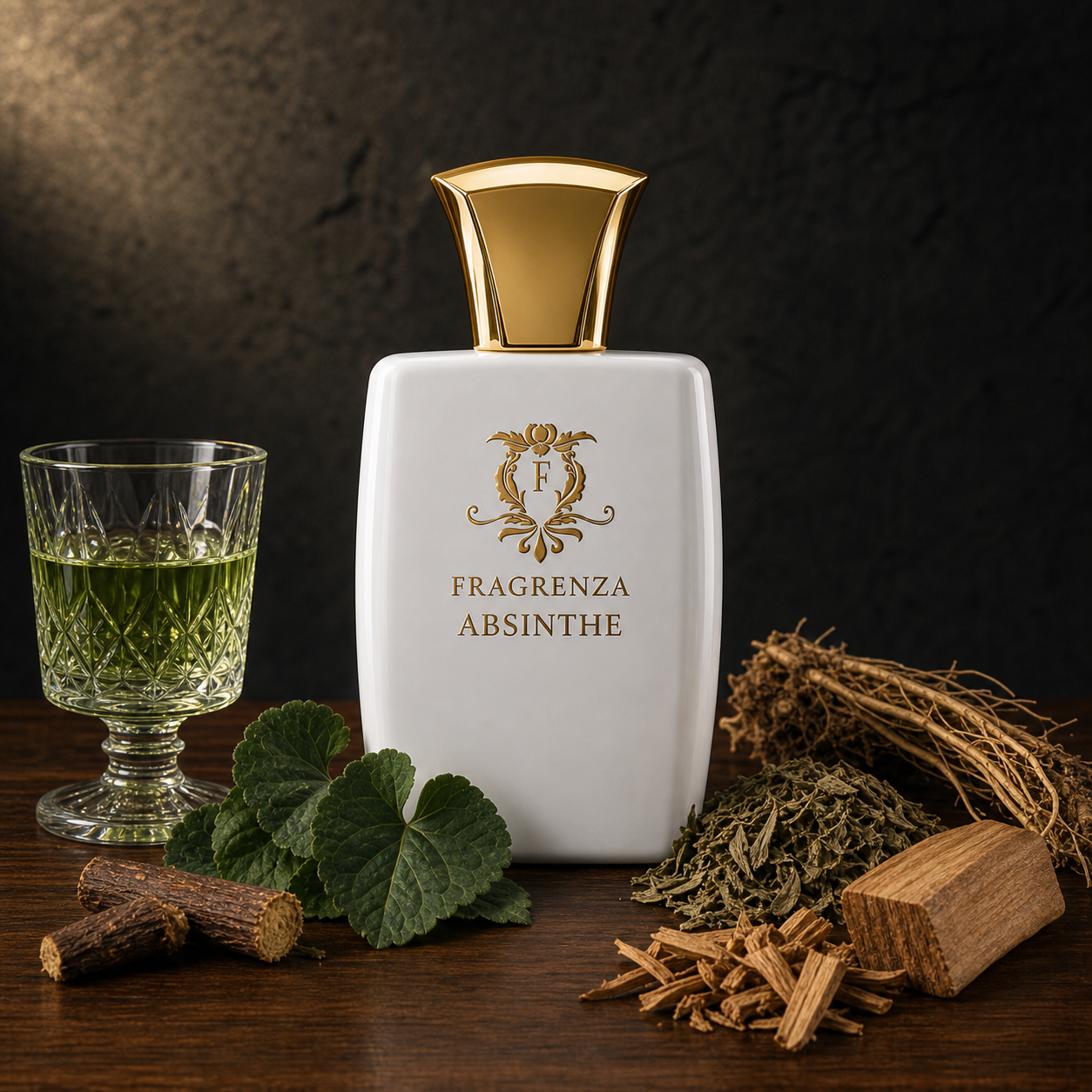
Galbanum's cold metallic edge and the bittersweet fig-leaf register define the note-family meaning of green, separate from the sustainability-claim meaning that the same word now also carries.
By Julia MorettiFragrenza makes several of the alternatives featured in our guides — here’s how we test.
4 min read
There is a particular honesty to green fragrance. When a perfume opens with the sharp, almost sappy freshness of a just-cut stem, or carries the bittersweet shadow of fig leaf, or settles into the clean, mineral breath of forest floor, it announces something about its relationship with the natural world that other fragrance families cannot replicate. In 2026, this relationship has become the subject of the industry's most serious — and most commercially significant — rethinking, as plant-based perfumery moves from niche concern to genuine revolution.
What Green Fragrance Actually Means
The word 'green' has accumulated two distinct and sometimes contradictory meanings in contemporary fragrance discourse, and it is worth disentangling them before going further. As a note family, 'green' encompasses a specific set of aromatic qualities: the cold, almost metallic freshness of galbanum; the watery, slightly oceanic depth of violet leaf; the bitter-sweet richness of fig; the crushed herb quality of petitgrain; the dewy, living quality of fresh grass and cut stems. These notes share a certain raw vitality — they smell, above all, alive. They are the olfactory equivalent of early morning in a garden.
As a sustainability claim, 'green' means something else entirely — and this is where the conversation becomes both more important and more complicated. Sustainable fragrance encompasses responsible sourcing of natural raw materials, the development of biotechnology-derived ingredients that reduce pressure on wild plant populations, the use of fermentation and lab-grown naturals, and the pursuit of supply chains that benefit rather than exploit the communities that cultivate fragrance crops. These two definitions overlap — a fragrance built on genuinely sustainable botanical ingredients will often smell green in the note-family sense — but they are not the same thing, and conflating them is one of the more common errors in contemporary fragrance marketing.
The Botanical Revolution in Ingredient Technology
What is genuinely transformative about 2026's green fragrance landscape is happening at the level of raw materials. The development of fermentation-derived ingredients — molecules that replicate the aromatic profiles of rare or endangered botanicals through yeast-based biosynthesis — has expanded the palette available to natural and semi-natural perfumers enormously. Sandalwood, oud, ambergris, and various rare floral absolutes can now be approached through biotechnology in ways that are both more consistent in quality and far less destructive in their sourcing than traditional extraction methods.
Alongside this, a cohort of newer houses has made certified sustainable sourcing a central element of their brand identity — and, crucially, of their actual product development. These are not companies that have added a sustainability footnote to their marketing materials; they are perfumers who have restructured their entire supply chains around direct relationships with growers, fair-trade certification, and transparent disclosure of ingredient provenance. The best of them are making fragrances that smell extraordinary, not in spite of their ethical framework but partly because of it: direct sourcing relationships yield higher-quality raw materials than commodity markets, and that difference is perceptible in the final composition.
Distinguishing Authenticity from Greenwashing
The commercial success of sustainability as a fragrance positioning has, inevitably, attracted its share of bad actors. The markers of genuine commitment are not difficult to identify once you know what to look for. Authentic sustainable fragrance brands can name their suppliers, describe their sourcing relationships in specific terms, and point to third-party certifications — not vague claims about 'natural inspiration' or 'botanical roots' applied to fragrances built almost entirely from synthetic bases.
The green note family itself, interestingly, presents its own sustainability complexities. Galbanum resin, one of the most beautiful and historically significant green ingredients, comes from a wild-harvested Iranian plant whose supply is increasingly fragile. Violet leaf absolute, precious and intensely aromatic, requires enormous quantities of plant material to produce. The most honest green fragrances of 2026 acknowledge these tensions rather than papering over them, using biotechnology and transparent sourcing to navigate them thoughtfully.
The Best Green Releases of 2026
This year's standout green fragrances share a commitment to olfactory complexity over mere freshness. The cheapest version of a green fragrance is simply something that smells clean and plant-adjacent — a category dominated by mainstream masculines and shower-gel adjacent releases that have done much to give the note family an undeserved reputation for blandness. The best 2026 releases demonstrate that green fragrance, at its most serious, can be among the most intellectually and sensorially rewarding work being done in contemporary perfumery.
The most compelling examples pair authentic botanical ingredients with a perfumer's understanding of structure and longevity — the technical challenge that has historically limited the green note family, given that many of its most beautiful components are highly volatile. The solution, increasingly, is not to mask this volatility but to design compositions that evolve gracefully as the topnotes lift, revealing a mid and base structure that preserves the essential character of the green accord while gaining depth and warmth.
At Fragrenza, the green fragrance category represents some of our most considered curation — fragrances selected not only for their olfactory quality but for the integrity of the principles behind them. The plant-based perfume revolution is not a trend. It is the direction in which the entire industry is, slowly and necessarily, heading, and the fragrances leading that movement are among the most exciting being made today.
Discover at Fragrenza
Fragrenza's green fragrance edit brings together the most compelling plant-forward compositions of the season — scents that treat botanical ingredients as a genuine creative medium rather than a marketing claim. Hawaii Wood exemplifies the new green-woody direction: rooted, sun-warmed, and quietly complex, with the kind of unhurried naturalness that only careful ingredient sourcing makes possible. For something fresher and more herbaceous, Rame Verde traces the bittersweet arc of copper-green stems with impressive olfactory honesty. Discover the breadth of this movement across our Aromatic Green Fragrances collection, or explore the softer, petal-edged expressions in our Floral Green Fragrances range.