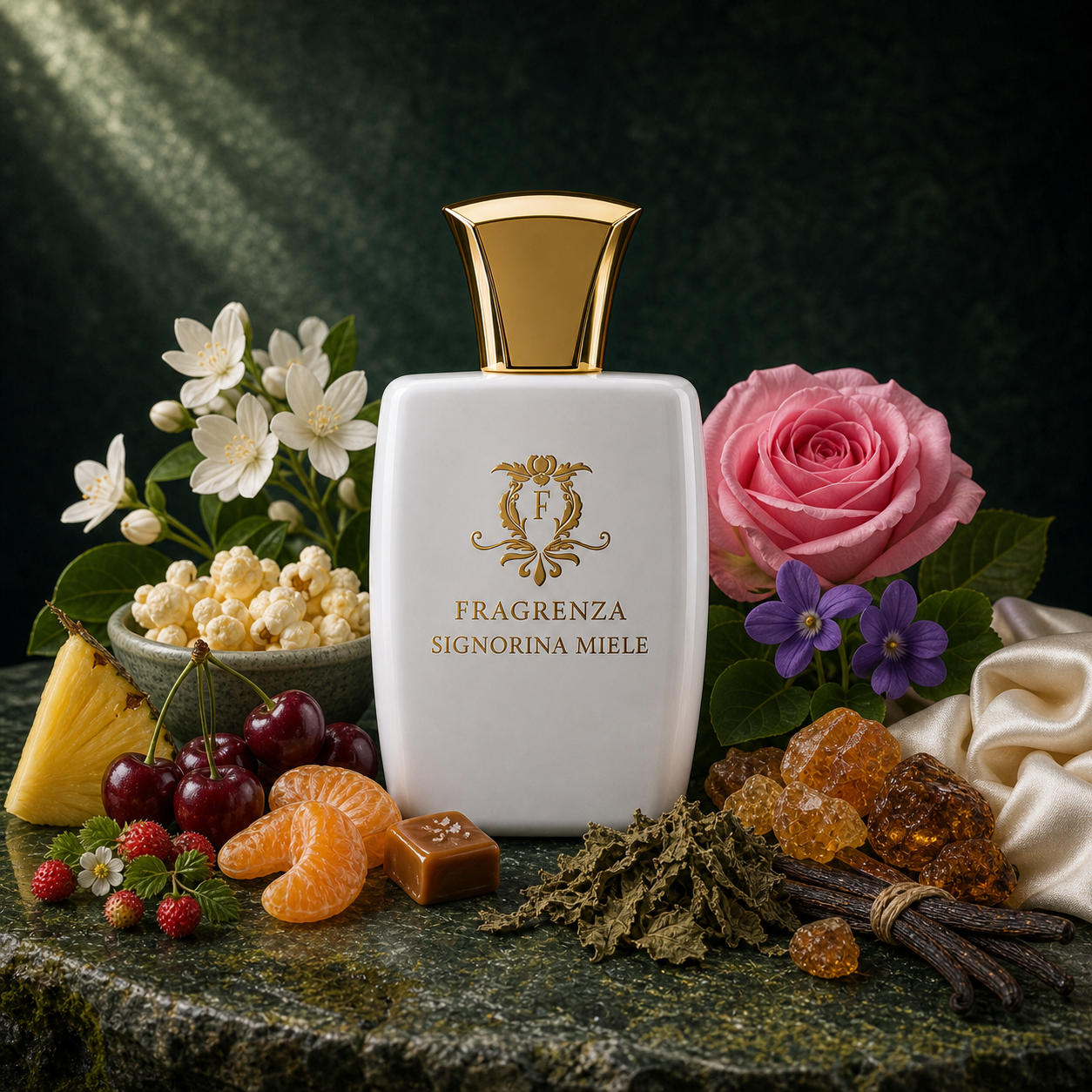
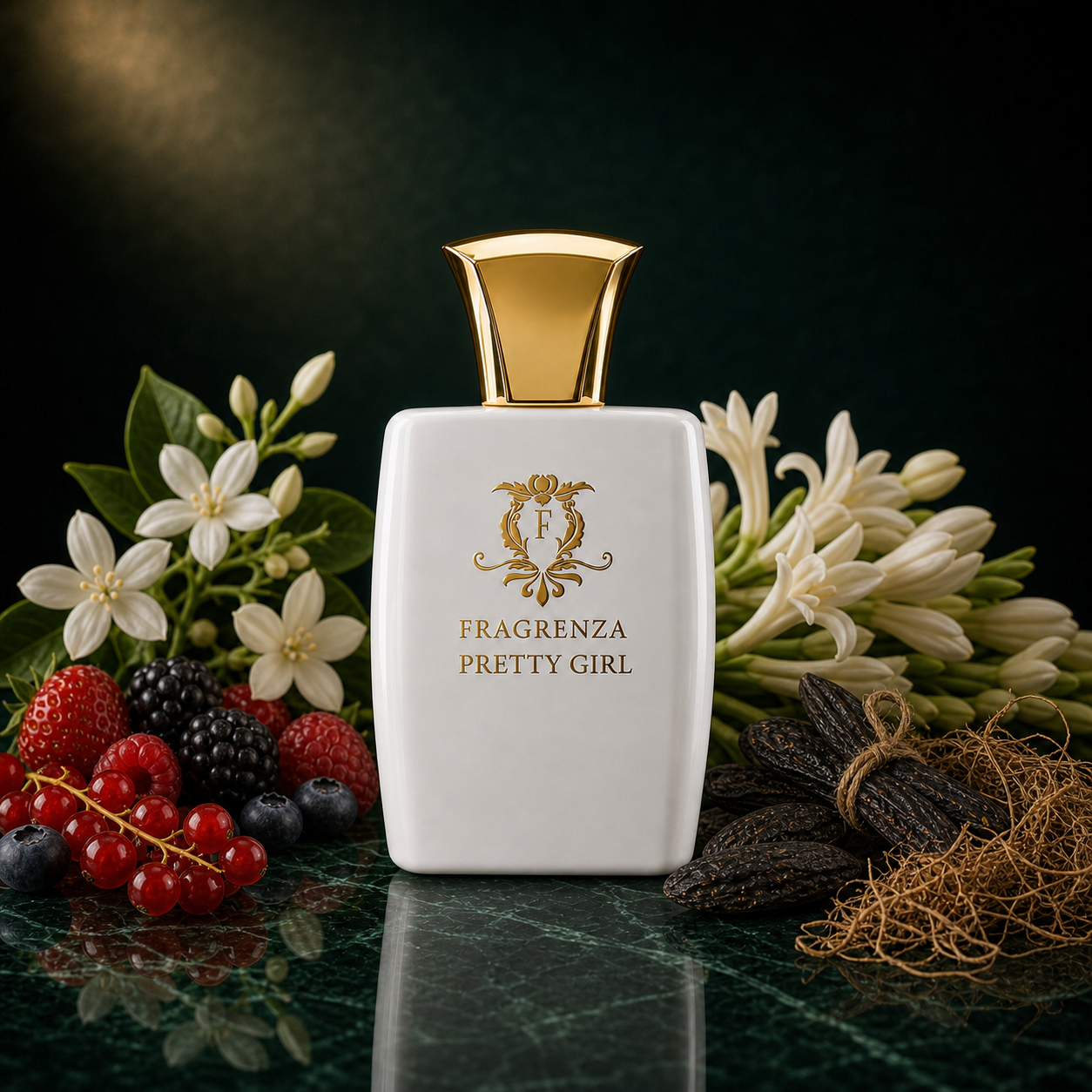
The Best White Florals of 2026: Jasmine, Tuberose, Gardenia, and the Art of Floral Intensity
Indole at low dose adds honeyed warmth to jasmine and tuberose, but at higher concentrations it tips toward warm skin and the animalic shadow that defines genuine white-floral intensity.
By Julia MorettiFragrenza makes several of the alternatives featured in our guides — here’s how we test.
4 min read
There is a particular kind of perfume that announces itself before you enter the room. Not loudly, not crudely — but with a certainty that belongs to few other sensory experiences. White floral fragrances possess this quality in abundance. Jasmine, tuberose, gardenia: these are perfumery's most powerful, most opulent, and most misunderstood ingredients. In 2026, a new generation of perfumers is handling them with a confidence and willingness to push their inherent intensity further than ever before.
Understanding the White Floral Family
To understand white florals, you must first understand what separates them from what most people mean when they say 'floral fragrance.' A rose soliflore, a delicate peony accord, a soft pink magnolia — these are pretty, pleasant, and undemanding. White florals are something else entirely. They are indolic. They carry within them a quality that connects them, at higher concentrations, to warm skin, to animal intimacy, to the biological processes of life itself. This is not a flaw. It is precisely what makes them so compelling.
The chemistry behind this quality centres on indole, a naturally occurring aromatic compound found in high concentrations in jasmine, tuberose, and gardenia blossoms. In small amounts, indole contributes depth, richness, and a certain honeyed warmth. At higher concentrations, it becomes animalic, almost feral — the underside of beauty, the shadow in the garden. The greatest white floral perfumes have always understood that this duality is their power, not their problem.
The Three Queens: Jasmine, Tuberose, Gardenia
Jasmine is perhaps the most consequential ingredient in all of perfumery. It appears, in some form, in the vast majority of the world's greatest fragrances — not always as a starring note, but as the structural element that gives a composition warmth, roundness, and life. Jasmine grandiflorum and jasmine sambac are the two primary species used in fine fragrance, and they differ meaningfully: grandiflorum is rich, honeyed, and slightly fruity; sambac is sharper, more indolic, with a green tea quality underneath its bloom. The history of jasmine in perfumery stretches back centuries, through the great floral absolutes of Grasse, through the golden age of Chanel and Dior, to today's natural perfumers who still regard the ingredient as irreplaceable.
Tuberose carries different associations entirely. Where jasmine is classical, tuberose is Hollywood — excessive, glamorous, unapologetically sensual. Its scent is simultaneously creamy, rubbery, and intensely floral, with a narcotic quality that has made it the signature ingredient of some of perfumery's most legendary compositions. Tuberose demands to be worn. It is not a fragrance ingredient for the timid, and in 2026's best treatments, it is not pretending to be otherwise.
Gardenia occupies a different register — the freshest and most elusive of the three queens. True gardenia absolute is rarely used in commercial perfumery due to its cost and instability; most gardenia fragrances are constructions, built from coconut-edged white musks, jasmine, tuberose, and green notes. The challenge of capturing gardenia — something between peach blossom, clean white petals, and rich creamy warmth — has attracted some of the industry's most talented perfumers, and the results in recent years have moved steadily toward something approaching the real flower's almost impossible freshness.
The 2026 White Floral Landscape
What distinguishes this year's finest white floral releases from their predecessors is, above all, confidence. For a decade or more, the dominant trend in fragrance ran toward transparency, lightness, and restraint — qualities that served many fragrance families well but tended to neuter the white floral's essential character. A restrained tuberose is a contradiction in terms. A transparent gardenia loses the very quality that makes it worth wearing.
In 2026, the best houses have stopped apologising for the white floral's inherent sensuousness. The year's standout jasmine releases embrace the indolic richness that gives jasmine its soul, layering it against contrasting elements — salted skin musks, bitter green stems, cool aldehydes — that amplify rather than suppress its character. Tuberose treatments have moved toward what might be called honest excess: rich, creamy, animalic when appropriate, and utterly unapologetic about it. Gardenia compositions are increasingly attempting to reconstruct the living flower with greater technical sophistication than previously possible.
At Fragrenza, curating this year's white floral selection meant seeking out compositions that understood the essential bargain: you are wearing something powerful, something that announces your presence, something that has a history of being called too much by people who have simply not given themselves permission to want more. The white floral family has never been about subtlety. It has always been about beauty at full volume, and in 2026, that volume has been turned up.
Whether you approach white florals through the honeyed classicism of jasmine, the narcotic glamour of tuberose, or the dewy freshness of gardenia, you are entering one of perfumery's oldest and most rewarding traditions — one that is, in this particular moment, experiencing something close to a golden age.
Discover at Fragrenza
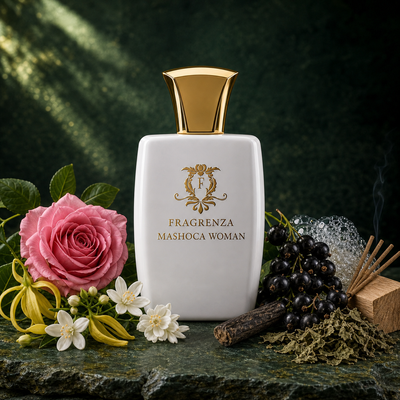
The white floral canon at Fragrenza spans everything from sun-drenched luminosity to powdery, intimate bloom — and this year's edit reflects the full expressive range of the genre. If the radiant, aldehydic brightness of warm jasmine and orange blossom appeals,
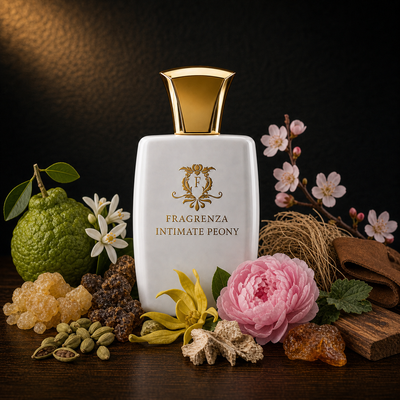
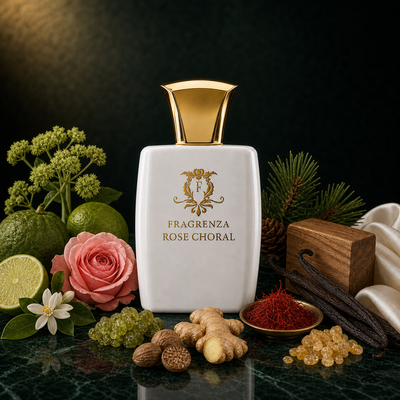
is an exceptional starting point: a lavish white-floral bouquet of jasmine, ylang-ylang, orange blossom, and rose, shimmering against aldehydes and the dark sweetness of black currant. For something softer and more enveloping, offers a delicate, close-wearing floral warmth that rewards proximity. Those drawn to the classical grandeur of the white floral tradition will find an authoritative, beautifully structured choice. Explore the full edit in our Floral Fragrances collection, or browse the broader Women's Fragrances range to find your signature.