The Psychology of Scent: How Fragrance Affects Your Mood and Emotions
Unlike sight and sound, smell skips the thalamus and reaches the amygdala and hippocampus directly, which is why citrus can lift mood before conscious processing engages.
By Julia MorettiFragrenza makes several of the alternatives featured in our guides — here’s how we test.
3 min read
You've almost certainly experienced it: you catch a particular smell and suddenly you feel different. More alert. Calmer. Nostalgic. A little more confident. This isn't coincidence or imagination — it's the science of aromachology at work.
Fragrance has a measurable effect on mood, cognition, and emotion. Understanding how this works can help you choose scents more intentionally — not just for how they smell, but for how they make you feel.
What Is Aromachology?
Aromachology is the scientific study of how odours influence human psychology and behaviour. It's distinct from aromatherapy (which makes specific therapeutic or medicinal claims) and instead focuses on the psychological and emotional effects of scent through peer-reviewed research.
The field has grown significantly since the 1980s, with research demonstrating that certain scents can measurably alter brain wave activity, heart rate, stress hormones, and subjective feelings of mood and wellbeing.
Why Does Smell Affect Mood So Powerfully?
The answer lies in anatomy. Unlike sight and sound, which are processed through the thalamus (the brain's relay station), smell travels directly to the limbic system — the part of the brain responsible for emotion, memory, and behaviour. This direct pathway means that odours can trigger emotional responses and memories almost instantly, before conscious processing even takes place.
Scent is the only sense with this direct limbic access, which is why fragrance can move you emotionally in ways that no other sensory input quite matches.
Mood-Lifting Scents
Certain fragrance ingredients are consistently associated with elevated mood and positive emotion:
- Citrus — Lemon, bergamot, and grapefruit are among the most reliable mood elevators in fragrance. Research suggests they increase feelings of energy and positivity.
- Florals — Rose, jasmine, and ylang-ylang are associated with warmth, happiness, and emotional openness.
- Sweet gourmands — Vanilla and warm, baked-food-style accords create feelings of comfort, safety, and contentment.
Fragrenza's
Calming and Stress-Reducing Scents
Research consistently points to certain fragrance families as particularly effective at reducing anxiety and promoting calm:
- Lavender — Perhaps the most studied, lavender has demonstrated anxiolytic (anxiety-reducing) effects in multiple clinical studies.
- Sandalwood — Warm, creamy, and grounding. Sandalwood is associated with feelings of peace and meditative calm.
- Cedarwood and vetiver — Dry, earthy woods with a steadying, centring quality.
- Musks — Clean, skin-close musks create a sense of comfort and intimacy.
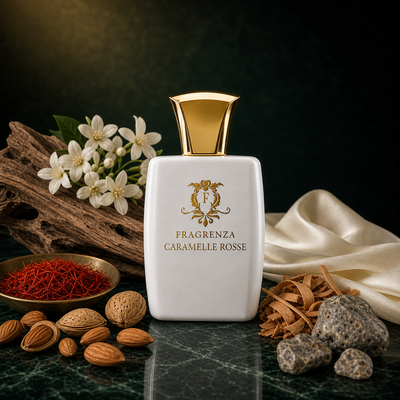
Santal Lush — with its rich sandalwood heart — is an excellent choice for evenings when you want to wind down and feel settled.
Energising and Focusing Scents
Need to concentrate or feel more alert? Certain fragrance ingredients are consistently associated with improved focus and cognitive performance:
- Peppermint — One of the most studied stimulant scents. Associated with improved alertness and task performance.
- Rosemary — Research suggests rosemary aroma may support memory retention and mental clarity.
- Eucalyptus — Fresh, sharp, and invigorating — cuts through mental fog.
- Sharp greens and herbs — Aromatic, herbal fragrances evoke clarity and freshness.
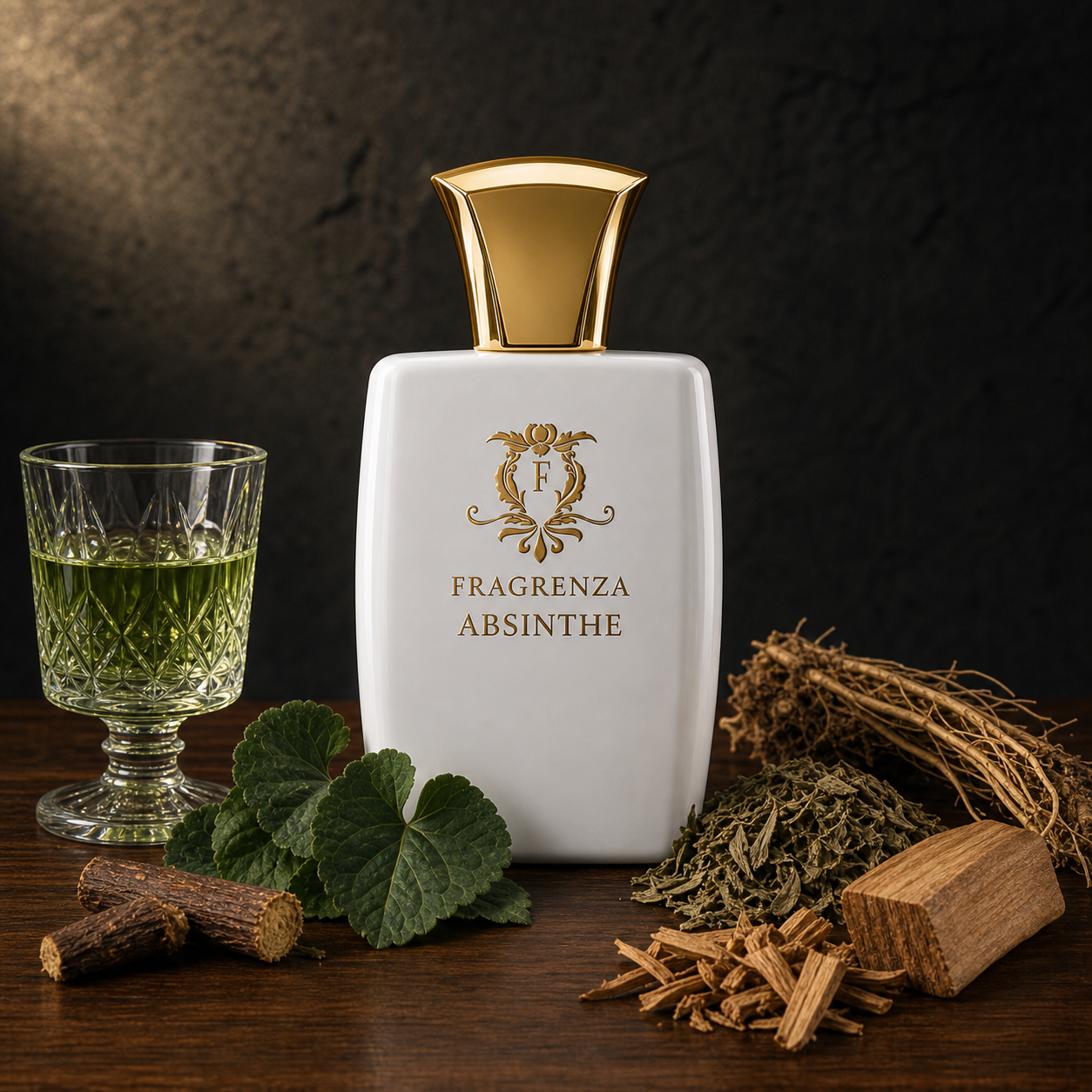
An aromatic, herb-forward scent like Erba Speziata — with its crisp, spiced green opening — has an invigorating quality that's well suited to daytime productivity.
Confidence and Attraction
Beyond mood, fragrance plays a role in self-perception and social dynamics. Studies have shown that wearing a pleasing fragrance increases self-confidence — and that this perceived confidence affects how others respond to us. The relationship between scent, attraction, and social perception is complex but measurable.
Wearing a fragrance you love isn't vanity. It's a legitimate tool for feeling and performing at your best.
Using Fragrance Intentionally
Once you understand the mood associations of different fragrance families, you can choose scents with intention:
- A bright citrus or aromatic for a Monday morning
- A calming sandalwood or musk for a stressful day
- A warm, romantic oriental for an evening out
- A comforting vanilla or gourmand for a quiet night in
Building a small fragrance wardrobe — a few different scents for different moods and moments — is one of the most effective ways to use fragrance as a genuine wellness and lifestyle tool.
Ready to build your mood-matched fragrance wardrobe? Browse Fragrenza's best-selling fragrances and find the scents that speak to you.