

Why Is Niche Perfume So Expensive? The Real Reasons Behind the Price
Oud at tens of thousands per kilogram, rose absolute needing three to five tonnes of petals per litre and small-batch filling carry real cost; prestige pricing covers the rest of the gap.
By Julia MorettiFragrenza makes several of the alternatives featured in our guides — here’s how we test.
3 min read
You've seen the price tags. A 50ml bottle of niche perfume for £200. A 30ml extrait for £350. Meanwhile, a thoughtfully crafted alternative can be found for under £30. What exactly is driving those prices — and is any of it reflected in what's actually in the bottle?
The honest answer is: sometimes yes, sometimes no. Let's break it down.
Ingredient Costs Can Be Genuinely High
This is the most legitimate driver of niche perfume pricing. Some fragrances are built on genuinely expensive natural materials:
- Oud (agarwood) — one of the most expensive natural substances on earth. High-quality oud oil can cost tens of thousands of pounds per kilogram, driven by scarcity, slow-growing trees, and complex extraction.
- Rose absolute — requires approximately 3–5 tonnes of rose petals to produce one litre of absolute. Sourced from Bulgaria or Turkey, this is a genuinely costly material.
- Iris butter (orris) — derived from iris root that must be dried for 3–5 years before processing. Extraordinarily labour and time-intensive.
- Ambergris — rare natural secretion from sperm whales. Now largely replaced by synthetic alternatives, but genuine ambergris commands enormous prices.
A niche perfume genuinely built on high concentrations of these materials can cost legitimately more to produce. The formula cost per bottle for an oud-heavy fragrance from a specialist house might truly be £20–40.
Smaller Batch Sizes
Niche houses produce far smaller quantities than designer brands. Mass-market fragrances benefit from economies of scale — producing millions of units means per-unit production costs are tiny. A niche house producing 5,000 units has much higher unit costs for everything: filling, bottling, labelling, and packaging.
These higher per-unit production costs are passed on to the consumer.
Marketing and Distribution Costs
This is where things get less flattering. Large fragrance houses spend enormous sums on advertising, celebrity endorsements, flagship retail spaces, and distribution logistics. These costs are substantial and are factored into the retail price.
Niche houses spend less on traditional advertising but often invest heavily in:
- High-end retail partnerships and dedicated boutique spaces
- Elaborate packaging and bottle design
- PR and editorial placements in luxury lifestyle media
- Training and education for retail staff
The Bottle and Packaging Premium
Niche fragrance packaging is often genuinely luxurious — heavy glass bottles, custom stoppers, silk-lined boxes, hand-lettered labels. These add meaningful cost. A bespoke glass bottle from a specialist manufacturer can cost several pounds per unit even before filling.
Beautiful packaging is part of the product experience for many buyers. But it's worth noting that none of this contributes to how the fragrance smells or performs on your skin.
Prestige Pricing: Paying for the Brand
This is the part of the price that is entirely about perception rather than production. Prestige pricing is a well-established strategy: high prices signal exclusivity, quality, and taste. When something is expensive, we are psychologically primed to perceive it as better.
Research in sensory psychology has shown that people rate identical wines higher when told the more expensive price. The same effect applies to fragrance. High prices can genuinely alter how people experience a scent.
A significant portion of niche fragrance pricing is simply the price of belonging to a perceived elite — of owning something that signals taste and discernment.
Where Fragrenza Fits In
At Fragrenza, we've identified a better approach. By focusing on fragrance quality rather than luxury packaging, eliminating celebrity advertising budgets, and using sophisticated synthetic formulations to replicate the character of expensive naturals, we can deliver fragrance that genuinely performs at a fraction of the niche price.
Our
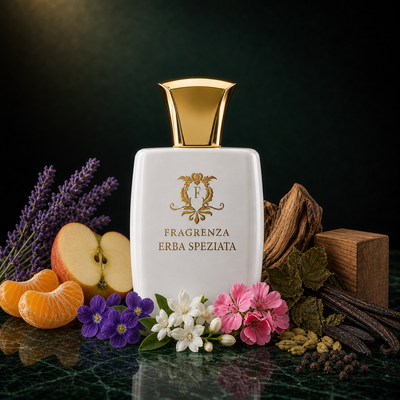
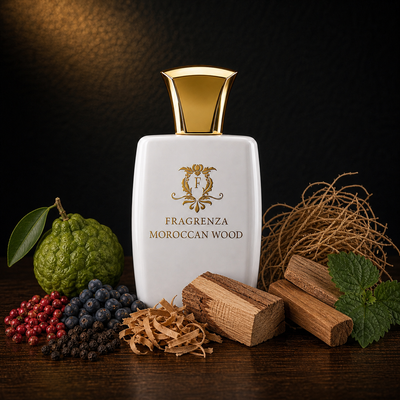
captures the deep complexity of Tom Ford's Oud Wood world without the £180+ price tag. brings the sophisticated elegance of Layton to a price point that makes everyday wearing genuinely accessible. evokes the atmospheric richness of a premium niche woody oriental.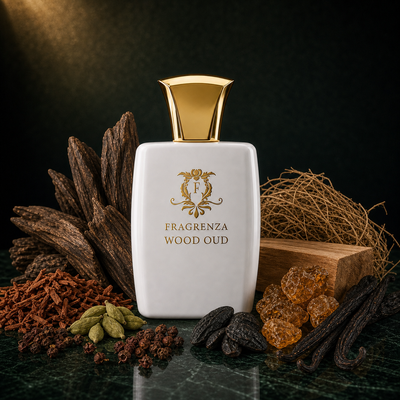
Is Niche Perfume Worth It?
For some buyers, absolutely. If you love the experience of luxury packaging, if you know and love a specific house's use of rare naturals, and if the price is comfortable, niche fragrance offers genuine pleasures beyond just the scent.
But for most people, most of the time, the gap between what niche costs and what it delivers in terms of actual fragrance experience is very wide. And Fragrenza exists precisely to close that gap.
Explore Fragrenza's niche-inspired collection and discover how far your fragrance budget can go.