Cucumber in Perfumery: The Cool, Crisp Note of Summer Fragrance
Cucumber reads as a spray-cool, mist-bright marine note: clean, lit, weightless, threading a cool line through the heart.
By Julia Moretti 6 min read
The cool, crisp green note of summer perfumery
Cucumber is one of perfumery’s coolest aromatic materials. Crisp, watery, distinctly vegetal, with a refreshingly clean character that smells like the just-sliced fruit on a hot summer day, cucumber notes contribute the cool-vegetal counterweight that distinguishes a contemporary fresh fragrance from a purely citrus or marine one. The note bridges between green-vegetal perfumery and aqueous-water character, sitting in a distinct space that no other material occupies in quite the same way.
This is the guide to cucumber as a perfumery material. What cucumber actually is in fine fragrance, the chemistry of the cool-vegetal-watery character, the cultural moment that brought cucumber into mainstream perfumery, the famous fragrances that put cucumber to work, the Fragrenza compositions that use the cucumber register, and how to think about the note in your own wardrobe.
What cucumber is in perfumery
Cucumber (Cucumis sativus) cannot be extracted as a perfumery material at fine-fragrance quality. The fresh fruit contains too little aromatic content for steam distillation or solvent extraction to yield commercially useful oil. The cucumber accord that appears in fine perfumery is reconstructed from a small set of synthetic captives that together evoke the cool-vegetal-watery character of the just-sliced fruit.
The reconstruction typically uses combinations of 2,6-nonadienal (the foundational cucumber molecule, often called “cucumber aldehyde”), cis-3-hexenol (the cut-grass molecule that contributes the green-vegetal facet), small esters, and water-direction synthetic captives that contribute the cool-watery character. Various branded cucumber-direction captives developed by major aroma-chemical houses deliver the most direct cucumber facet.
This is normal practice in modern perfumery. Like nearly all vegetable accords, cucumber is an aromatic construction that amplifies the most interesting facets of the fresh fruit while suppressing the green-watery character that dominates the raw material.
What cucumber actually smells like
Cucumber in fine fragrance reads as the cool, fresh, slightly green character of just-sliced cucumber on a hot day — with a more refined, more clearly aromatic profile than the raw fruit. The accord sits between green-vegetal and aqueous-water character, distinct from both. The wear on skin reads cool, fresh, slightly vegetal, with a clean transparency that distinguishes cucumber from purely green or purely water-direction materials.
Cucumber is rarely the headline note on a fragrance bottle, but where you see “cool fresh cucumber,” “crisp green water,” or specific niche references, cucumber-direction materials are usually contributing structurally. The note’s especially clean, especially cool character makes it useful in contemporary fresh and aquatic perfumery.
Cultural and compositional history
Cucumber emerged as a recognized perfumery accord in the 1990s alongside the marine-and-aquatic revolution. Calvin Klein CK One (1994) used cucumber-direction character in its fresh-clean unisex structure. Issey Miyake L’Eau d’Issey (1992) used cool-vegetal facets that include cucumber-adjacent character. The contemporary niche space has refined the cucumber register significantly through compositions that use the note alongside light florals, citrus, and clean musks.
Cucumber is now a structural staple of contemporary fresh perfumery, particularly in summer compositions and clean-skin-direction unisex fragrances. The note is rarely used as a dominant aesthetic but appears as a structural element in dozens of modern compositions where perfumers want cool-vegetal counterpoint to warmer materials.
Cucumber in the Fragrenza line
Several Fragrenza compositions use cool-vegetal cucumber-adjacent character.
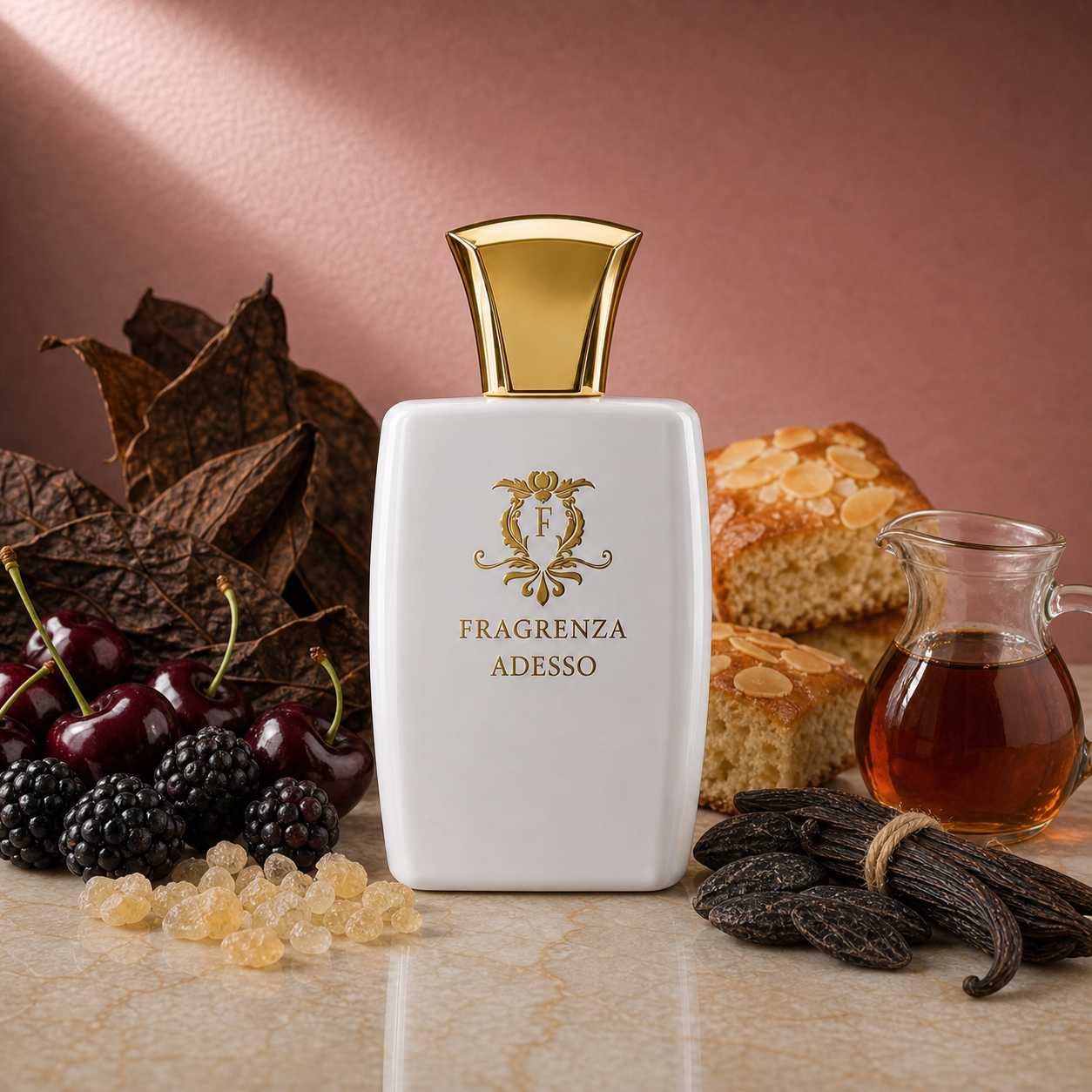
uses citrus, mint, pear, and lemonade in the opening with a sage and elderberry heart and a cedarwood-musk base — the cool-fresh-aromatic register where cucumber-direction character lives in modern compositions. places orange blossom and lemon in the opening alongside rose, geranium, rosemary, and lavender in the heart, with lychee, tonka, sandalwood, vetiver, and musk at the base — the cool-clean-skin register adjacent to cucumber perfumery.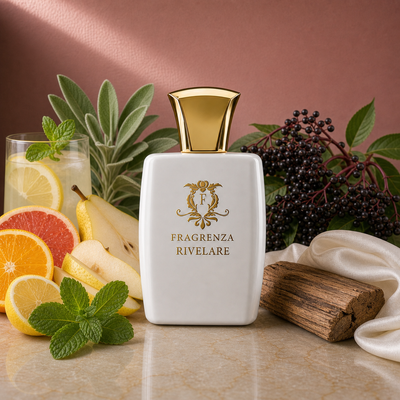
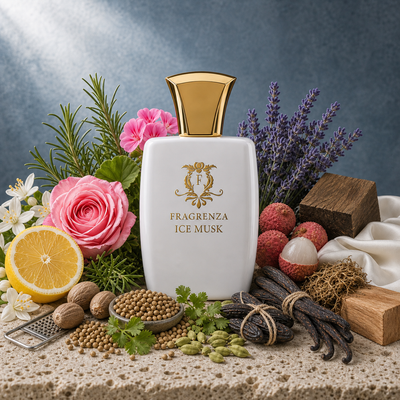
In the cool-aromatic-aquatic direction,
uses lotus, orchid, and aquatic mystery materials in the heart alongside ylang ylang, jasmine, and bergamot in the opening, with patchouli, sandalwood, vetiver, vanilla, amber, and musk at the base — the cool-aquatic-floral register that bridges into cucumber territory. And places petitgrain in the opening alongside orange, with jasmine sambac and ylang ylang in the heart and white lily, vanilla, and benzoin at the base — the green-floral register adjacent to cucumber perfumery.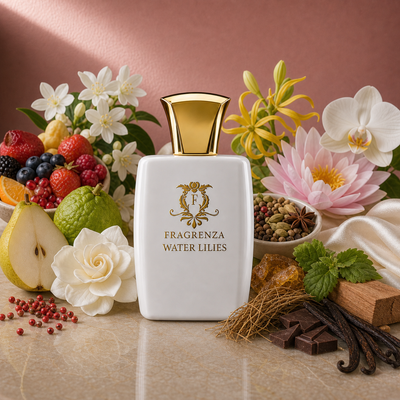
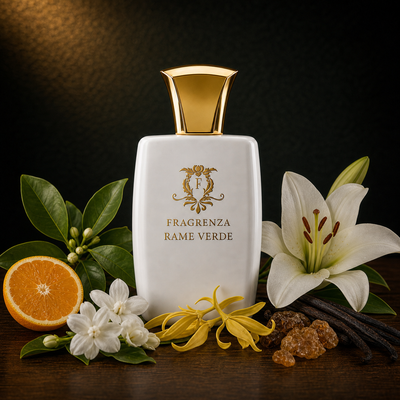
For more on related fresh and green perfumery, see our entries on violet leaf, aqueous notes, and green notes.
How cucumber interacts with other notes
Cucumber is compositionally selective. Its cool-vegetal-watery character pairs well with several material families.
With melon, water lily, and aqueous materials, cucumber extends into the contemporary cool-fresh-summer register that has anchored a meaningful share of modern unisex perfumery.
With light citrus (lemon, bergamot, lime), cucumber amplifies the bright-cool character into a fuller fresh structure.
With violet leaf and green materials, cucumber creates the dewy-garden register that several contemporary niche compositions inhabit.
With clean musks, cucumber creates the contemporary cool-clean-skin register that has become a structural staple of modern unisex perfumery.
With light florals (lily of the valley, magnolia, peony), cucumber adds cool-vegetal counterpoint to soft floral structures.
Cucumber in the modern wardrobe
Cucumber compositions wear especially well in summer, where the cool-fresh character matches hot weather. The category extends into spring for lighter cucumber-and-citrus compositions but generally feels out of register in winter.
Cucumber carries no inherent gender coding. The category is functionally gender-neutral in modern niche perfumery.
Application is conventional: pulse points, light spray. Cucumber-direction notes generally express most clearly in the opening and gradually integrate with heart and base materials through the wear.
Frequently asked questions
What does cucumber smell like in perfume?
Cool, crisp, slightly vegetal, with a clean watery character that reads as just-sliced cucumber on a hot day. The accord sits between green-vegetal and aqueous-water perfumery and contributes the cool counterweight that defines contemporary fresh compositions.
Is cucumber a natural perfumery material?
No — cucumber cannot be extracted directly at fine-fragrance quality. The accord is reconstructed from synthetic captives including 2,6-nonadienal (cucumber aldehyde), cis-3-hexenol, small esters, and various branded cucumber-direction materials. This is normal practice in modern perfumery.
What is the difference between cucumber and other green or aqueous notes?
Cucumber sits in a distinct space between green-vegetal and aqueous-water character. Pure green notes (galbanum, violet leaf) read sharper and more aromatic; pure aqueous notes (water lily, lotus) read more transparently water-like. Cucumber is uniquely cool-vegetal-watery in a way no other material quite matches.
Is cucumber a feminine note?
No — cucumber is one of the most thoroughly gender-neutral notes in fine perfumery. CK One established the unisex association, and contemporary compositions use cucumber freely across all registers.
What season is cucumber best for?
Summer, by a wide margin. The cool-fresh character of cucumber is at its best in hot weather. Spring works well for lighter cucumber-and-citrus compositions; autumn and winter are constrained seasons.
What perfumes use cucumber well?
Calvin Klein CK One (1994) is the canonical mainstream cucumber reference. Issey Miyake L’Eau d’Issey (1992) uses cucumber-adjacent character in a contemporary aquatic structure. Various contemporary niche compositions place cucumber at the structural opening of cool-fresh fragrances.
Why does perfumery cucumber smell more refined than fresh cucumber?
Because perfumery cucumber is a stylized aromatic construction that amplifies the most interesting facets of the fresh fruit while suppressing the green-watery character that dominates the raw vegetable. The result smells like cucumber-the-idea more than cucumber-the-literal-vegetable.
The contemporary place of cucumber
Cucumber has become one of contemporary perfumery’s most useful structural elements. The note’s combination of cool-vegetal-watery character makes it useful for compositions designed to read clean, modern, and seasonally specific. Whether you are wearing a 1990s aquatic classic, a contemporary fresh-clean unisex composition, or a niche dewy-garden floral, the cucumber materials are doing the structural work that gives the fragrance its cool, crisp clarity.