

Marjoram in Perfumery: The Herbal Note with Gentle Warmth
Marjoram is one of modern perfumery's most expressive fruity notes, a note every fragrance lover should learn to recognise on skin.
By Julia Moretti 6 min read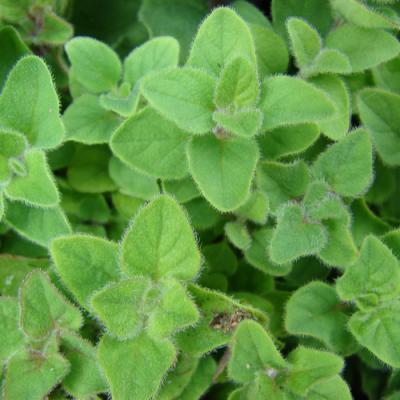
The Smell of Marjoram: Herbal Warmth and Aromatic Richness
Marjoram is one of perfumery's quieter heroes — a note that rarely appears on fragrance labels as a star attraction, yet whose distinctive aromatic character has contributed to some of the most celebrated compositions in the classical and contemporary canon. Sweet marjoram (Origanum majorana) belongs to the same botanical family as oregano and thyme, and its smell carries that family's characteristic warmth and slightly medicinal aromatic quality. Yet marjoram is considerably gentler than its cousins: where oregano is peppery and aggressive, and thyme is sharply medicinal, marjoram offers a softer, sweeter, more rounded herbal character that blends beautifully into a wide range of olfactory contexts.
The smell of fresh marjoram is dominated by a warm, slightly spicy-herbal character that is simultaneously reminiscent of the kitchen and the Mediterranean hillside where the herb grows wild. There is a sweet, almost floral undertone — particularly in sweet marjoram as opposed to the wilder, more aggressive pot marjoram — that gives the herb an accessibility unusual in the aromatic herb family. A faint camphoraceous quality, shared with other members of the Lamiaceae family, adds an almost cooling dimension to what is otherwise a warm, enveloping aroma. In the dry-down of marjoram essential oil on skin, a woody, slightly resinous character emerges that makes the note considerably more complex than its reputation as a simple kitchen herb might suggest.
History of Marjoram in Perfumery
Marjoram has been cultivated around the Mediterranean for at least three thousand years, and its aromatic and medicinal properties were celebrated in ancient Greece, Rome, and Egypt. The Greeks associated marjoram with the goddess Aphrodite and used it in bridal garlands and wedding ceremonies, recognizing its sweet, warm scent as conducive to love and happiness. Roman writers describe its use in cosmetic preparations and perfumed wines, and throughout the medieval period it featured prominently in European herb gardens both for culinary use and as a strewing herb designed to scent living spaces.
In the context of fine perfumery, marjoram found its most important role in the fougere family that emerged in the late nineteenth century. The fougere accord — built on the foundation of lavender, coumarin, and oakmoss — frequently incorporated aromatic herbs including marjoram as middle note components that bridged the gap between the fresh lavender opening and the mossy-woody base. This role as an aromatic connector became marjoram's defining function in the classical perfumery tradition: it appeared in countless masculine fougeres throughout the twentieth century as part of the herbal-aromatic heart that gave these fragrances their distinctive character.
The late twentieth century saw marjoram somewhat overshadowed by the development of new synthetic aromatic materials that could provide more powerful and tenacious herbal effects. However, the contemporary niche fragrance movement's interest in authenticity and naturalistic complexity has led to something of a marjoram renaissance, with several houses rediscovering the note's capacity for quiet sophistication.
Extraction and Key Molecules
Marjoram essential oil is obtained by steam distillation of the fresh or dried herb. The yield varies considerably with the season of harvest and the specific cultivar, with oil from freshly harvested herb in full bloom generally considered superior. The resulting oil is pale yellow to amber with a warm, spicy-herbal aroma that closely reproduces the smell of the fresh plant.
The primary aromatic compounds in marjoram essential oil are terpinen-4-ol — also the key molecule in tea tree oil — which contributes a warm, slightly medicinal, earthy character; alpha-terpineol, which adds a lilac-like floral warmth; sabinene hydrate, responsible for much of marjoram's characteristic herbal-spicy top note; and gamma-terpinene, which provides a slightly citrus-herbal freshness. Linalool is present in significant quantities and contributes a smooth, slightly floral softness that helps explain marjoram's gentler character compared to other aromatic herbs. The combination of these terpenic compounds creates the characteristic warm, rounded, slightly camphoraceous herbal smell that distinguishes marjoram from other members of the mint family.
Famous Fragrances Featuring Marjoram
Marjoram's most celebrated role in fragrance history is as a component of the great classical fougeres. Faberge's Brut, one of the best-selling fragrances of the twentieth century, used marjoram as part of its aromatic herbal heart alongside lavender and geranium. Old Spice's later variants incorporated marjoram-adjacent herbal materials in their aromatic accords. These mainstream applications established marjoram as a working ingredient rather than a luxury one, but the note's genuine aromatic contribution to these compositions is undeniable.
In the more elevated end of the masculine fragrance market, marjoram has appeared as a heart note in numerous celebrated fougeres. Guerlain's Habit Rouge, a 1965 oriental-fougere hybrid that remains one of the most admired French masculines, uses marjoram alongside other aromatic herbs as part of its complex, multi-faceted heart. Dior's masculine range, particularly the classic Dior Homme variants, has used herbal notes including marjoram-adjacent materials to add aromatic complexity. Contemporary masculine fragrances that draw on the herbal tradition — such as those explored in our men's fragrance collection — frequently include marjoram as an unsung but essential component of their aromatic heart.
For those interested in understanding how marjoram relates to other aromatic herbs in perfumery, our guide to lavender is essential reading, as is our guide to geranium. These three notes — lavender, geranium, and marjoram — form a classical herbal trinity that underpins much of the most sophisticated masculine perfumery of the past century.
Note Interactions: Marjoram's Aromatic Partnerships
Marjoram's most natural aromatic partnerships are with other members of the aromatic herb family. Its combination with lavender is perhaps the most fundamental: both notes are warm, slightly medicinal aromatics that share certain terpenic compounds, and their combination creates an accord of considerable richness and depth. With geranium, marjoram's warmth complements that note's more complex rosy-herbal character. With rosemary, marjoram provides sweetness and softness to balance rosemary's more aggressive, piney sharpness.
Woody notes are excellent partners for marjoram. The combination of marjoram with cedar creates a warm, dry, herbal-woody accord of great elegance. With vetiver, marjoram's warmth provides a pleasant counterpoint to the grass's cool, smoky earthiness. Sandalwood brings out marjoram's sweeter, more floral aspects while lending its characteristic creamy depth.
In the spice family, cardamom pairs particularly well with marjoram, their shared aromatic complexity and slight camphoraceous quality creating a multi-dimensional spice accord that is more interesting than either note alone. Pepper adds sharpness and energy to marjoram while the herb in turn smooths and rounds pepper's potentially aggressive character.
Wardrobe Context: When to Wear Marjoram Fragrances
Fragrances in which marjoram plays a significant role tend to be versatile, year-round compositions with a classical elegance that never feels dated. The note's herbal warmth is particularly well suited to cooler months, when its enveloping quality provides genuine olfactory comfort, but its aromatic freshness prevents it from feeling too heavy for warmer weather. Marjoram-accented fragrances are natural companions for active professional wear — they smell considered and refined without demanding attention.
Within the woody and aromatic fragrance families, marjoram provides exactly the kind of organic, naturalistic complexity that distinguishes genuinely sophisticated compositions from their more formulaic counterparts. Wearing a marjoram-accented fragrance is a statement of aromatic literacy — a preference for the quietly complex over the immediately obvious that tends to be appreciated by those who know fragrance well. These are compositions that reveal their quality gradually, that smell different at the end of a long day than they did at the beginning, and that reward the sustained attention of a curious wearer.