


Nectarine in Perfumery: Juicy, Radiant, and Irresistibly Modern
Prunus persica var. nucipersica reads brighter and more aqueous than its fuzzy parent, and its lactonic-floral character sits where contemporary perfumery wants a sun-warm top to lead.
By Julia Moretti 6 min read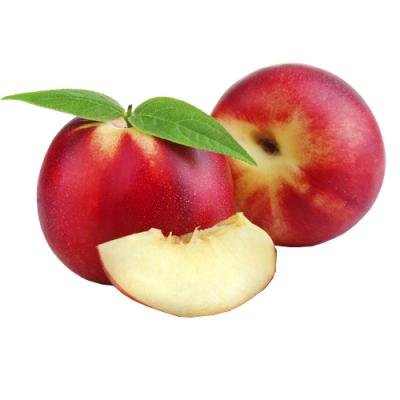
The Fruit That Made Perfumery Sunnier
There is a particular quality of optimism in a well-composed fruity fragrance — a sense of warmth, pleasure, and the uncomplicated joy of a summer afternoon. Nectarine, as a perfumery note, is one of the most direct expressions of this quality. Juicy, warm, slightly honeyed, with a smooth skin-like facet that distinguishes it from the sharper tang of citrus, nectarine sits at the heart of a generation of contemporary fragrances that elevated the fruity accord from mere sweetness into something genuinely luminous and sophisticated.
The nectarine is, botanically speaking, a smooth-skinned variety of peach (Prunus persica var. nucipersica), distinguished from the peach primarily by the absence of fuzz on its skin and by a flavour profile that is slightly sharper, more vibrant, and more intensely aromatic. In perfumery, the distinction between nectarine and peach notes is similarly nuanced: where peach tends to read as warmer, creamier, and slightly more lactonic, nectarine is brighter, juicier, and more radiant — a more solar, transparent quality that makes it particularly useful for the top and early heart phases of a fragrance.
Scent Profile: Beyond Simple Sweetness
The perfumery note of nectarine defies the assumption that fruit notes are inherently simple or unsophisticated. A well-executed nectarine accord encompasses multiple simultaneous olfactory impressions. The most immediate is the juicy, watery quality of the freshly cut fruit — a slightly aqueous sweetness that feels clean rather than cloying. Beneath this lies the characteristic peachy warmth: a lactonic, slightly creamy facet that gives nectarine its impression of sun-warmed richness. There is also a distinctly floral quality to nectarine, arising from the volatile compounds shared between the fruit and its blossom — a gentle, rosy-almond undertone that bridges the fruity and floral families.
At the base of the nectarine accord is a quality sometimes described as "velvety" or "skin-like" — a smooth, intimate warmth that has nothing synthetic or artificial about it when executed well. This quality is what makes nectarine such a natural companion to white musk and skin-adjacent materials: both are reaching for the same register of intimate warmth, and together they create a seamless impression of beautiful skin touched by summer sun.
Chemistry and Extraction
Unlike many botanical materials in perfumery, nectarine does not have a widely available essential oil or absolute. The volatile aromatic compounds in the fresh fruit are numerous but many are fragile and poorly suited to steam distillation. In practice, nectarine as a perfumery note is almost always a synthetic construction — an accord built from a carefully chosen combination of aroma molecules that together recreate the impression of the fresh fruit with often remarkable fidelity.
The key molecules in nectarine accords include gamma-decalactone and delta-decalactone, both peachy lactones that provide the characteristic warm, creamy sweetness of stone fruit; undecalactone, which contributes a slightly more coconut-adjacent creaminess; and various aldehyde and ester compounds that provide the brighter, juicier facets. Benzyl acetate, which appears in jasmine and many fruit accords, contributes a sweet floral-fruity brightness. Ethyl maltol and methyl linalool are often added to enhance the impression of juicy sweetness without tipping into artificial excess.
The skill of the perfumer in constructing a nectarine note lies in balancing these elements so that the result reads as natural and multi-dimensional rather than as a simplified, one-dimensional sweetness. The best nectarine accords have a progression — the initial impression of freshness and juice giving way to warmth and velvety depth — that mimics the experience of eating the fruit itself.
The Rise of Fruity Florals and Nectarine's Central Role
The emergence of nectarine as a prominent fragrance note is closely tied to the development of the fruity floral category, which became commercially dominant from the mid-1990s onwards and remains one of the largest segments of the contemporary fragrance market. The fruity floral is exactly what its name suggests: a composition in which a floral heart is framed and brightened by fruit notes, creating a sunny, accessible, and effortlessly modern effect.
Within this category, stone fruit notes — peach, apricot, and nectarine — have consistently proven among the most successful, because their warmth and softness bridge the distance between a sharp citrus freshness and the heavier sweetness of gourmand bases. Nectarine in particular became a signature of early-2000s luxury fruity florals, lending juicy radiance to compositions that paired it with rose, jasmine, or lily hearts and soft musk or sandalwood bases.
Note Interactions: Nectarine's Natural Partners
Nectarine's most natural companions in fragrance are florals, and the combination of nectarine with white flowers is one of the most reliably successful pairings in contemporary perfumery. With rose, nectarine adds a sun-warmed, juicy dimension that gives the rose a feeling of outdoor freshness rather than indoor formality. With ylang-ylang, it tempers the tropical heaviness with an airy lightness. With peony (a modern synthetic floral), nectarine creates a particularly fresh, bright combination that is the olfactory equivalent of a clear May morning.
Nectarine also works well with citrus materials, extending the brightness of bergamot and grapefruit while adding warmth and a fruity sweetness that the citrus notes themselves cannot provide. At the base, nectarine transitions smoothly into vanilla, musk, and sandalwood, with the lactonic quality of the nectarine note echoing the creamy warmth of the base materials and creating a smooth, seamless drydown.
With patchouli, nectarine produces an interesting and increasingly popular accord — the earthiness of patchouli grounds the airiness of the fruit note, while the fruit brings a luminous brightness to what might otherwise be a heavy woody-earth composition. This combination is characteristic of a wave of contemporary fruity-oriental perfumes that seek to update the oriental family for modern tastes.
Famous Fragrances Featuring Nectarine
Carolina Herrera Good Girl uses a rich fruity accord — including elements of jasmine, almond, and stone fruit — that creates its characteristic sweet, sensual, and surprisingly bold character. The fruit notes here are warmer and more gourmand than a pure nectarine, but they demonstrate perfectly how stone fruit accords can bring a modern, sophisticated sweetness to an oriental-floral composition without sacrificing complexity.
Paco Rabanne Lady Million incorporates a bright, juicy fruity accord in its luminous top notes that reads as part nectarine, part raspberry — a deliberately sunny and vibrant opening that sets the tone for the fragrance's bold, glamorous character. The fruit here is not soft and peachy but bright and sparkling, demonstrating how nectarine-adjacent notes can be deployed for maximum visual impact.
For those exploring the broader floral fragrance category, nectarine is one of the most reliably rewarding notes to look for — a signal that a composition is likely to be sunny, modern, and approachable without being simplistic.
Wearing Nectarine: Seasonal and Contextual Notes
Nectarine is, at its core, a warm-weather note. Its associations with summer, sunshine, and outdoor pleasure make it feel most natural from late spring through early autumn, and it performs particularly well in warm temperatures when the heat of the skin helps to amplify its juicy volatility. In cold weather, the watery freshness that makes nectarine so appealing in summer can feel slightly out of place — the warmth that the note depends on is reduced, and its lighter facets can fade before they have the chance to develop.
That said, nectarine used as a modifier within a warmer composition — where it brightens and lifts a heavier oriental or floral-musk base — can work across a broader temperature range. In these contexts, the fruit note reads as a luminous accent rather than the dominant character, and its seasonal associations become less constraining.
For those building a women's fragrance wardrobe for spring and summer, nectarine-forward fruity florals represent one of the most joyful and wearable options available. They are approachable enough to serve as everyday scents while sophisticated enough to reward the kind of detailed attention that fragrance enthusiasts bring to their collections. In the world of perfumery, nectarine is proof that happiness can be a serious subject.






