
Praline in Perfumery: The Caramelised Nut That Defines Modern Gourmand Fragrance
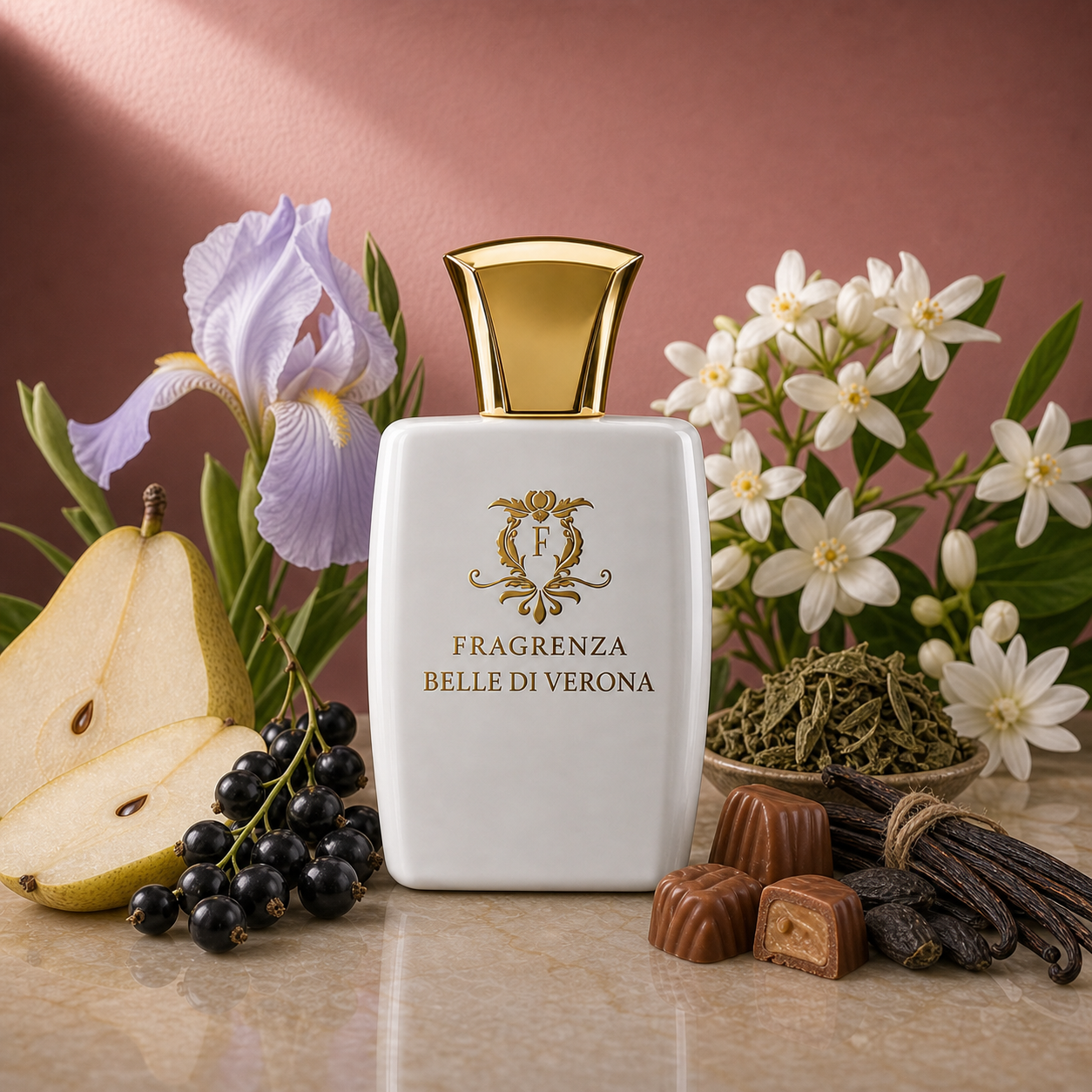
Furaneol sits at the centre of the praline accord, while hazelnut pyrazines and a buttery lactonic floor build the burnt-sugar warmth that anchored the Angel-era gourmand wave.
By Julia Moretti 6 min read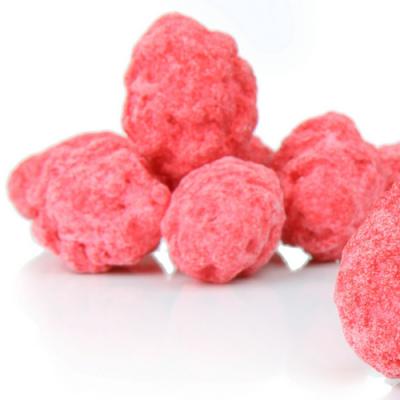
If there is a single ingredient that best defines the gourmand fragrance movement's rise to dominance, it may well be praline. Richer than caramel, sweeter than chocolate, and more complex than either, praline brings a roasted, buttery nuttiness to fragrance that creates an irresistible sense of warm indulgence. It anchors some of the most successful and recognisable fragrances of the past three decades, and its influence on the direction of contemporary perfumery has been profound and lasting.
What Does Praline Smell Like in Perfumery?
Praline in perfumery is not simply caramelised sugar, though sugar's transformation by heat is central to its character. The most distinctive quality of a well-constructed praline note is the combination of three elements: the burnt, slightly bitter quality of caramelised sugar, the rich, fatty warmth of toasted nuts (typically hazelnut or almond), and a creamy, buttery undertone that binds the accord and makes it feel luxurious rather than merely sweet.
The result is a note that smells simultaneously dessert-like and perfumery-sophisticated — it evokes a Parisian patisserie, a box of luxury chocolates, or the warm, comforting smell of a confectionery shop on a winter afternoon. At its best, praline in fragrance is not explicitly foodie or edible; rather, it creates a warm, sweet, richly textured atmosphere that reads as luxurious and sensual. At its less successful, it can smell slightly candied or artificial, which is why the quality and calibration of the underlying chemistry matters enormously.
The Chemistry of Praline
The praline note in perfumery is a composite construction rather than a single molecule. Several classes of aroma chemicals contribute to its distinctive character. Furaneol (2,5-dimethyl-4-hydroxy-3(2H)-furanone) is perhaps the most important — this is the molecule responsible for the characteristic caramel note found in strawberries, pineapple, and roasted foods, and it contributes the sweet, candy-like burnt-sugar quality that anchors the praline accord.
Supporting this are phenyl acetaldehyde (contributing a honey-rose facet), methyl cyclopentenolone (roasted, maple-like warmth), and the pyrazines — a family of heterocyclic compounds responsible for the roasted, nutty character of toasted foods that gives praline its distinctive depth beyond simple sweetness. Hazelnut molecules and bitter almond facets (benzaldehyde) round out the nut dimension, while lactone molecules contribute the creamy, buttery quality that gives the accord its luxurious texture.
Coumarin is a frequent companion to praline in finished compositions — its warm, sweet, hay-like character blends seamlessly with praline's caramel-nut richness, and the combination creates a depth and complexity that neither ingredient achieves alone.
Praline's Rise in Gourmand Perfumery
The gourmand genre as a distinct category of fragrance is generally traced to the late 1990s, with Thierry Mugler's Angel (1992) as its founding moment. Angel used ethyl maltol (a synthetic molecule with an intensely sweet, candyfloss quality) alongside chocolate, caramel, and patchouli to create something unprecedented in fine fragrance: a composition that smelled unambiguously of dessert, of indulgence, of the pleasure of eating something delicious. The fragrance divided opinion dramatically on its launch and went on to become one of the best-selling perfumes in history.
Praline entered this conversation as the gourmand genre matured and perfumers sought to create sweet, dessert-like compositions with greater sophistication and wearability. Where ethyl maltol could read as somewhat crude and synthetic at high concentrations, praline offered a more nuanced, less candy-like sweetness — richer, darker, and more evocative of real patisserie craft than fairground confection. This made it a perfect vehicle for the luxury positioning that many houses wanted for their gourmand flankers and new launches in the 2000s and beyond.
Famous Fragrances Built on Praline
La Vie Est Belle by Lancôme is perhaps the most commercially successful praline-centred fragrance in the world. Its signature iris-praline heart is a masterclass in how a confectionery note can be elevated by unexpected partners: the cold, powdery iris brings dignity and restraint to what might otherwise be an overwhelming sweetness, while the praline grounds the iris in warmth and approachability. The result is a fragrance of genuine sophistication that nevertheless delivers the instant pleasure hit of something delicious.
Black Opium by Yves Saint Laurent uses a coffee-vanilla-praline accord that has become one of the defining signatures of the 2010s feminine fragrance landscape. Here the praline deepens and enriches the coffee, preventing it from reading as too bitter or too office-environment, while the vanilla and musks create the dreamy, addictive quality the name promises.
Our own Gourmand de Chocolat celebrates this confectionery tradition, and Vanilla Delight shows how praline's caramelised warmth and vanilla's creamy sweetness create one of perfumery's most irresistible combinations. Montale Vanilla Cake takes a similar approach, with praline facets contributing the richly baked character that gives the fragrance its remarkable dessert-like quality.
How Praline Interacts with Other Notes
Praline is one of perfumery's most sociable base notes — it blends harmoniously with an unusually wide range of ingredients across the aromatic spectrum. Its most natural partners are other gourmand materials: vanilla deepens and softens the caramel; coffee adds a bitter counterpoint that creates genuine complexity; chocolate introduces a darker, more brooding dimension; and caramel reinforces and amplifies the burnt-sugar quality in a way that can be spectacular or excessive depending on the hand applying it.
Praline and florals create some of the most commercially successful pairings in modern perfumery. The note has a particular affinity with iris (as in La Vie Est Belle), where the contrast between cold, powdery elegance and warm confectionery richness creates something genuinely unique. Rose and praline produce a warm, romantic composition that has proven enormously popular; jasmine with praline creates a heady, sensual accord that bridges floral and gourmand traditions.
Patchouli and praline is a cornerstone combination of the modern oriental-gourmand genre: patchouli's dark, earthy, slightly sweet base anchors praline's lightness and sweetness, creating compositions with remarkable longevity and depth. The combination is at the heart of the Angel aesthetic and countless of its descendants and imitators. Tonka bean is another natural companion, its almond-vanilla-coumarin character blending seamlessly with praline's nut-and-caramel notes to produce a warm, rounded, intensely comforting base accord.
Wearing Praline Fragrances
Praline-forward fragrances are quintessential cold-weather companions. The note's richness and warmth feel most natural when the outside temperature is low — there is a specific pleasure in the contrast between cold air and the warm, confectionery-sweet cloud that a praline fragrance creates around the wearer. These compositions have become staples of autumn and winter fragrance wardrobes, worn on coats and scarves as much as on skin, where the fabric absorbs and slowly releases the richly sweet character of the base notes.
In warm weather, praline-heavy compositions can feel slightly cloying, though lighter, airier praline compositions that use the note as a base element rather than a headliner can work year-round. The key is projection: in heat, a little goes a long way, and praline's exceptional longevity on fabric means that even a modest application provides many hours of enjoyment.
The oriental fragrance category houses many of the finest praline-based compositions in perfumery, offering both classic interpretations and contemporary reinventions of the confectionery accord within structures of genuine sophistication and depth.
Final Thoughts
Praline has become one of the defining ingredients of modern feminine perfumery — a note that has both driven and reflected a fundamental shift in what people want fragrance to feel like: warm, indulgent, comforting, and unapologetically pleasurable. Its chemistry is complex, its creative applications are vast, and its best expressions combine the immediate pleasure of something delicious with the lasting sophistication of genuinely great perfumery.