

Tuberose in Perfumery: The Most Intoxicating Flower in Fragrance
Tuberose is one of perfumery's most beloved floral notes, a note every fragrance lover should learn to recognise on skin.
By Julia Moretti 7 min read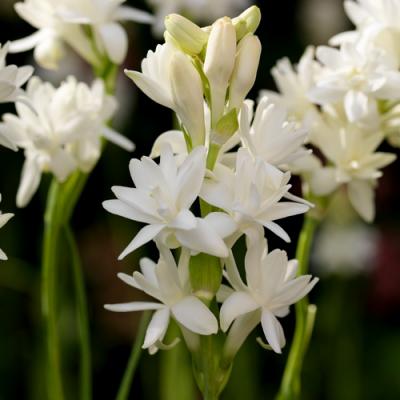
Tuberose: The Night Flower That Perfumers Revere and Fear
In the vocabulary of perfumery, there is no more extreme, more polarising, or more technically fascinating floral than the tuberose. This night-blooming Mexican native — Polianthes tuberosa, now cultivated principally in India, Egypt, and Morocco for the fragrance industry — produces a scent of almost terrifying intensity and complexity. It is simultaneously among the most beautiful and the most challenging of all natural fragrance materials, a flower that demands respect and repays it with compositions of extraordinary power and lasting impact.
Tuberose is not a note for the timid. It does not whisper or suggest. It speaks with full voice, projecting a heady, creamy, slightly animalic richness that fills a room and leaves an impression long after the wearer has departed. In the history of perfumery, it has been used to create some of the most celebrated and most audacious fragrances ever made, and its continuing presence at the highest level of both mainstream and niche fragrance speaks to an enduring fascination with its extraordinary olfactory character.
What Does Tuberose Smell Like?
The fresh tuberose flower is one of nature's most complex olfactory experiences. The initial impression is intensely sweet and floral — richer and heavier than jasmine, more narcotic than gardenia, more aggressive than any other commonly used white floral. But this initial sweetness quickly reveals layers of greater complexity: a creamy, almost rubbery quality that some people find compelling and others find challenging; a faintly animalic, slightly narcotic undertow that connects tuberose to the tradition of big, indolic white florals; and a green, slightly menthol-like freshness from the plant's leaves and stem that provides a counterpoint to all this richness.
The indolic quality of tuberose — the faintly animalic, organic quality that all white florals share to varying degrees — is pronounced enough to be immediately noticeable. Indole is a compound produced by decomposing organic matter that is also present, paradoxically, in many white flowers as an evolutionary strategy for attracting pollinators. In the context of tuberose perfumery, this indolic quality is not a defect but a defining characteristic: it gives tuberose its characteristic sensuality and depth, distinguishing it from simpler, cleaner floral materials.
Compared to jasmine, tuberose is heavier, creamier, and more narcotic. Compared to gardenia, it is less waxy and more intensely sweet. Compared to ylang ylang, it is more complex and less obviously tropical. It occupies a unique register in the white floral family — the most intense, the most challenging, and for many connoisseurs, the most rewarding.
A History of Tuberose in Perfumery
Tuberose is native to Mexico, where the Aztecs used it in rituals and as a luxury perfumery material long before European contact. The Spanish brought it to Europe in the sixteenth century, and it quickly became fashionable in European gardens and perfumery. In seventeenth and eighteenth century France, tuberose was among the most fashionable of all perfumery materials, used extensively in pomades, gloves, and sachets by the aristocracy.
The development of enfleurage — the technique of absorbing fragrant molecules from delicate flowers into fat — was partly motivated by the desire to capture tuberose more completely, as the flower is too delicate for steam distillation. Grasse became the centre of tuberose cultivation and extraction in Europe, and the flower's production there continued into the twentieth century before largely shifting to India and Egypt, where labour costs made the labour-intensive enfleurage process more economically viable.
In twentieth-century fragrance, tuberose has been the central ingredient of several landmark compositions that defined their eras. The note's association with femininity, sensuality, and a certain glamorous excess has made it a natural choice for fragrance houses seeking to make bold statements, and it has appeared at the centre of some of the most celebrated and commercially successful fragrances ever made.
Extraction and Aroma Chemistry
Tuberose absolute, produced by solvent extraction of the flowers, is one of the most expensive natural materials in commercial perfumery. The flowers must be harvested by hand, are extraordinarily delicate, and must be processed quickly after harvest. Traditional enfleurage — a process of cold-pressing the flowers into fat and then washing the resulting pomade with alcohol to produce an absolute — is now practiced only rarely due to its enormous labour requirements, but it produces a material of exceptional quality and complexity.
Modern solvent extraction (using hexane and then alcohol washing) produces a tuberose absolute that is somewhat different in character from enfleurage absolute — slightly harsher and less complete in its representation of the flower's full aromatic range — but is commercially practical and of sufficient quality for fine perfumery use.
The key aroma compounds in tuberose absolute include methyl benzoate (providing the characteristic sweet, slightly balsamic quality), methyl salicylate (a fresh, slightly minty-herbal compound also found in wintergreen), benzyl benzoate (a faintly sweet, slightly floral fixative), and various indole compounds (responsible for the narcotic, animalic quality). Butyric acid esters contribute to the creamy, slightly cheesy quality that makes tuberose so distinctive and so challenging. Farnesol, a long-chain alcohol also found in rose and other florals, provides a soft, rose-like warmth that bridges the gap between the top and base of the note.
Modern synthetic materials have expanded the perfumer's palette for tuberose considerably. Various specifically developed tuberose molecules are available that allow perfumers to emphasise specific facets — the cream, the flower, the animalic quality, the green freshness — with a precision that natural absolute alone does not permit.
Tuberose in Famous Fragrances
The pantheon of great tuberose fragrances is one of the most celebrated collections in perfumery history. Robert Piguet's Fracas (1948), created by Germaine Cellier, is the reference point against which all subsequent tuberose fragrances are measured. It was radical for its time — a tuberose fragrance of extreme intensity that made no apology for its power — and it remains a fragrance of extraordinary character and presence more than seventy-five years after its launch.
Giorgio Beverly Hills (1981) brought tuberose to a mass commercial audience in the United States, and its enormous success established the note as a mainstream commercial quantity rather than a niche material. Givenchy's Ysatis (1984) used tuberose as part of a complex floral-oriental accord of considerable sophistication. And Donna Karan's original Donna Karan (DKNY Be Delicious predecessor) used tuberose in a context of modern American femininity.
In contemporary niche perfumery, tuberose has been approached with both reverence and irreverence. Tom Ford Black Orchid uses a dark, slightly animalic floral accord in which tuberose-adjacent materials play a significant role, contributing to the fragrance's characteristic nocturnal richness. And various niche houses — Serge Lutens, Frederic Malle, and others — have created tuberose compositions that explore the note's full range from delicate to extreme.
Note Interactions: Tuberose's Most Compelling Combinations
Tuberose's intensity means that partnering it effectively requires careful consideration. Its most natural companions are other white florals: jasmine, gardenia, and tiare all combine with tuberose to create big, opulent white floral accords that are the signature of a certain type of dramatic, evening-wear feminine fragrance. These combinations, when handled with skill, produce compositions of extraordinary beauty and power.
With rose, tuberose creates a dual-floral accord of great richness but more classical elegance than tuberose alone — the rose's warmth softening tuberose's more extreme aspects while maintaining its essential intensity. With sandalwood and musk, tuberose becomes warm and skin-like, an intimate and sensual combination that is among the most compelling in the white floral category.
More surprising is tuberose's compatibility with dark, heavy base materials. Tuberose with patchouli or oud creates compositions of extraordinary intensity and complexity, where the flower's narcotic richness is deepened and darkened by the base materials to create something genuinely challenging. These are not easy fragrances, but they are deeply rewarding for those who seek out olfactory complexity and are unafraid of intensity.
Tuberose with green notes — violet leaf, galbanum, green tea — produces a fresher, more contemporary reading of the note that is accessible to those who find traditional tuberose fragrances overwhelming. By framing the flower's richness within a green, slightly aquatic context, perfumers have made tuberose's beauty available to a wider audience without sacrificing its essential character.
Tuberose in the Fragrance Wardrobe
Tuberose fragrances are, by their nature, occasions fragrances — they demand a context appropriate to their intensity. Evening wear, formal occasions, and situations where making a lasting impression is the goal are the natural territories for a tuberose composition. They project with considerable force and linger long after they have been applied, which is a virtue in the right context and a consideration in others.
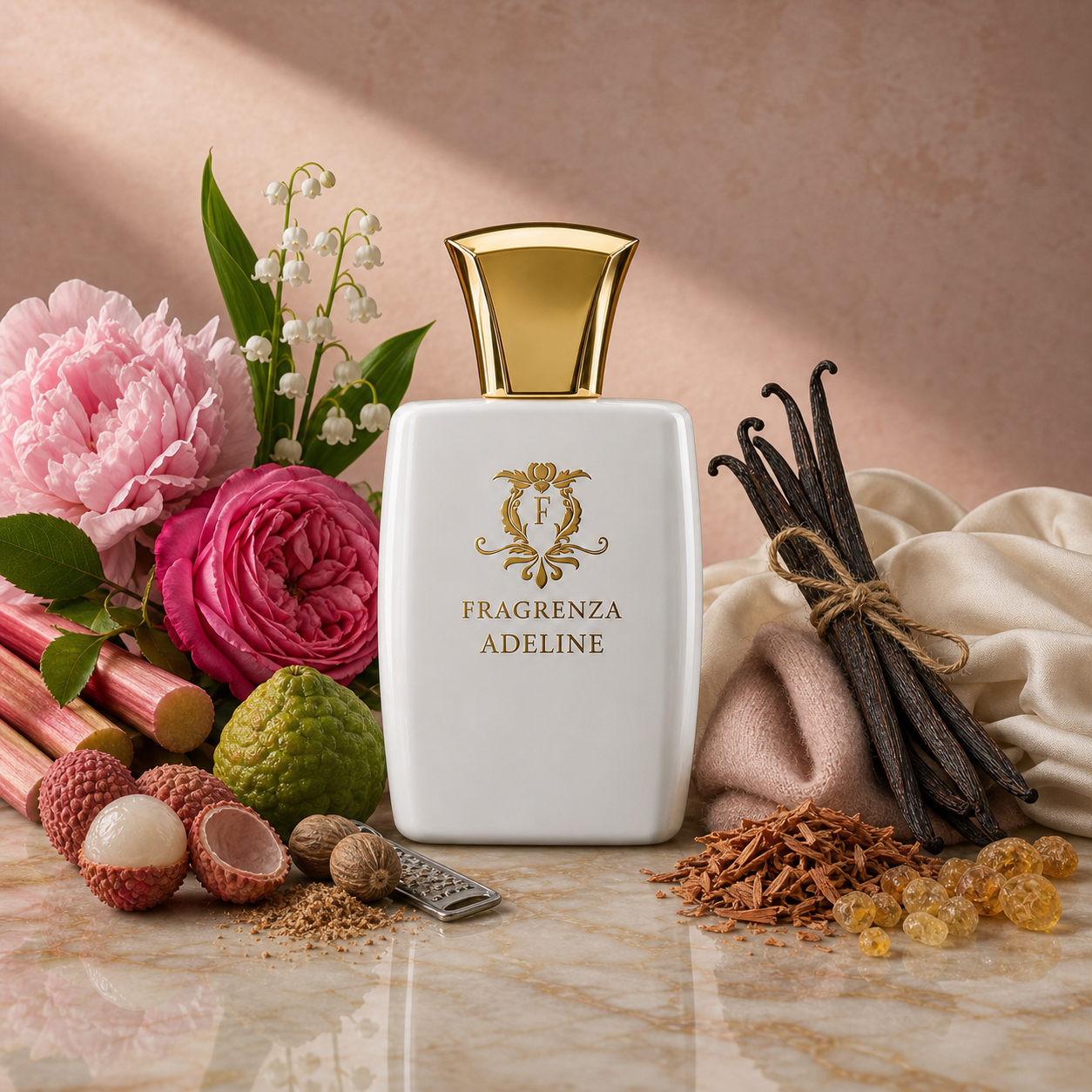
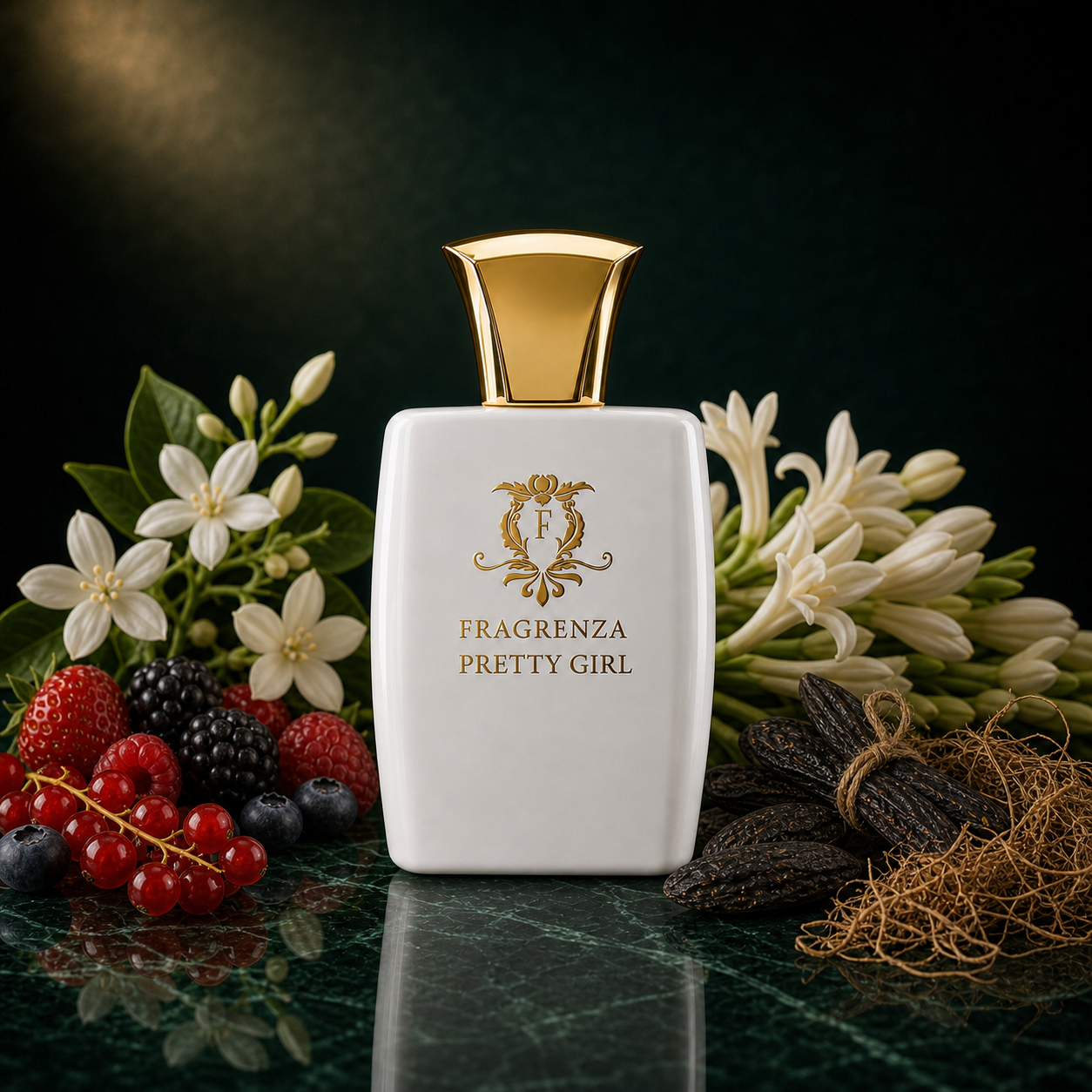
For those building a serious fragrance wardrobe, a great tuberose fragrance is not merely a desirable addition but a genuine statement of olfactory ambition. It is a note that communicates confidence, sophistication, and a willingness to engage with the full range of perfumery's history and capabilities. The floral fragrance collection at Fragrenza includes several compositions in which tuberose and similarly intense white florals play significant roles, offering an introduction to this extraordinary note for those approaching it for the first time, and excellent new expressions for those who have already learned to love it.