

Skin Scents 2.0: Why Musk, Ambroxan, and Iso E Super Are Taking Over
Rice milk lactones, soft sandalwood and warmer musks rebuild the close-to-skin profile with the substance the sparkling-water minimalism of 2020-2023 deliberately stripped out.
By Julia MorettiFragrenza makes several of the alternatives featured in our guides — here’s how we test.
8 min read
The clean-girl wave is over. The minimal sparkling-water musks that defined skin scent culture from 2020 through 2023 — the ones that smelled, frankly, like nothing — have fragmented into something more interesting. The 2026 version of the skin scent is warmer, creamier, more substantial. Same close-to-skin philosophy. Different texture. Worth a fresh look even if you tried the category last cycle and weren't convinced.
This is the trend hub for the modern skin scent direction. What's actually changed in the category, the notes defining the new wave, the difference between Skin Scents 1.0 and 2.0, and the Fragrenza picks that capture the new mood.
What changed
The first wave of skin scents was a reaction against decades of high-projection floral and oriental dominance. The aesthetic was about restraint, about feeling like cleaner-than-clean skin, about perfumes that read as nothing more than a vague enhancement. It produced a few genuinely beautiful compositions and a much larger number of forgettable ones — perfumes so minimal they couldn't survive the first hour on most skin types.
The 2026 successor — call it Skin Scents 2.0 — keeps the close-to-skin projection profile but adds substance. Lactonic notes (rice milk, coconut milk, soft sandalwood) for texture. Faint gourmand bases (vanilla, soft caramel) for warmth. Warmer musks instead of the empty-water musks of the previous wave. Sometimes a faint floral or fruit accent for character.
The result is a perfume that still wears close to the body, still reads as personal and intimate, but actually smells of something. The vague-water-musk era is fading. The modern skin scent has texture you can identify when you concentrate on it.
The notes defining Skin Scents 2.0
Warmer musks
The "white musk" or "ambroxan-and-water" formulas of the previous wave have largely been replaced by softer, warmer musk compositions. Polycyclic musks blended with traces of vanilla, faint amber, or soft woody molecules. The result smells more like warm skin and less like sterile perfumed water.
Lactonic creaminess
Rice milk, coconut milk, sandalwood's natural creamy facet. These notes give modern skin scents a texture the older wave lacked — they read as skin that's been moisturised rather than skin that's been freshly washed. (For the full breakdown, see our lactonic fragrances guide.)
Trace gourmand
A faint vanilla, a hint of soft caramel, a whisper of warm spice. Not enough to make the perfume read as gourmand — just enough to add the warmth that distinguishes a skin scent from a "nothing" perfume. The trace gourmand is what makes Skin Scents 2.0 wearable in cool weather.
Soft sandalwood (the lactonic side)
Real Mysore sandalwood has a creamy, milky, slightly sweet character. Modern skin scents lean into that side of sandalwood — soft, warm, almost edible — rather than the dry-and-smoky side that dominates men's woody fragrances.
Faint floral or fruit accents
Modern skin scents sometimes add a whisper of soft floral (peony, iris, pear blossom) or pale fruit (white peach, soft pear). The accent provides character without making the composition project louder. The 2026 trend is to use these as gentle modifiers rather than headline notes.
Skin Scents 1.0 vs Skin Scents 2.0 — the differences
Texture. 1.0 was clean, transparent, almost aquatic in feel. 2.0 is creamy, soft, warm.
Longevity. 1.0 famously faded fast on dry skin. 2.0 lasts meaningfully longer because the lactonic and faint-gourmand bases give the composition something to anchor on.
Character. 1.0 was almost characterless by design. 2.0 has identifiable warmth — you can describe it without resorting to "nothing".
Versatility. 1.0 was almost exclusively daytime/office wear. 2.0 stretches into evening and cool-weather wear, particularly the lactonic and faint-vanilla compositions.
Wearer satisfaction. Anecdotally — and the search-volume data support this — 2.0 generates more "I love this" reactions and fewer "where did it go?" complaints than the previous wave.
Why the shift happened
Three forces converged to make the change inevitable.
Skin chemistry frustration. Too many people tried the original clean-musk wave and lost the perfume entirely after 90 minutes. The market response was to add base material that would survive on dry skin.
The lactonic moment. Lactonic notes happened to peak as a category at the same time the skin scent wave needed substance. Pairing the two was inevitable. (See our lactonic guide for the full context.)
The cultural shift toward "soft luxury". Quiet luxury culture rewards perfumes that feel expensive without announcing themselves. The empty-water musks of 2020 didn't quite get there — they felt cheap and forgettable in a way that didn't match the cashmere-and-beige aesthetic. Skin Scents 2.0 — warmer, creamier, more substantial — actually deliver the "expensive but discreet" effect.
How to wear a Skin Scent 2.0
The same rules as the original wave, with one key adjustment.
Apply moisturiser first. Spray to warm zones (wrists, behind ears, base of throat, inner elbows). Three to four sprays — these compositions don't project loud, so under-spraying is the more common mistake than over-spraying. (See our longevity guide for the technique that maximises any close-to-skin perfume.)
The 2.0 adjustment: skin scents 2.0 reward warm-zone application more than 1.0 did. The lactonic and trace-gourmand bases need body heat to bloom. Wrist-only application can underperform; chest and inner-elbow application produces a noticeably richer wear.
How to layer Skin Scents 2.0
The category layers beautifully because the cream-and-warmth base is naturally compatible with most note families.
For a creamier, gentler effect, layer with vanilla. For a more sensual evening direction, layer with a soft oud. For a fruity-floral direction, layer with rose or peach. Avoid layering with citrus or aquatic compositions (the contrast kills the soft texture). For the full system, see our layering guide.
Fragrenza picks for Skin Scents 2.0
The Fragrenza scents that fit the new category.
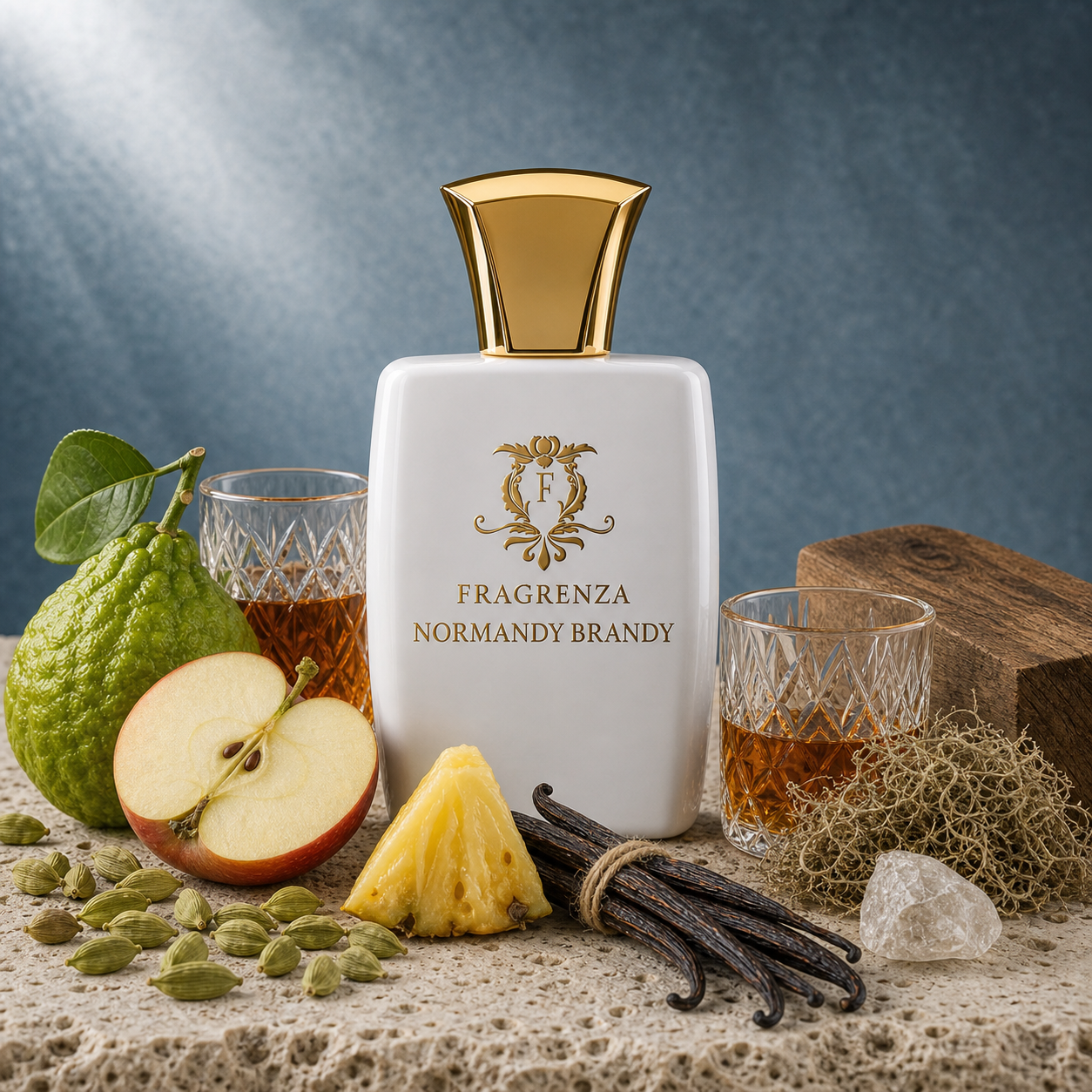
— clean, soft, second-skin. The most direct match for the modern skin scent register. Wears like the 2.0 update of the classic clean-musk skin scent.
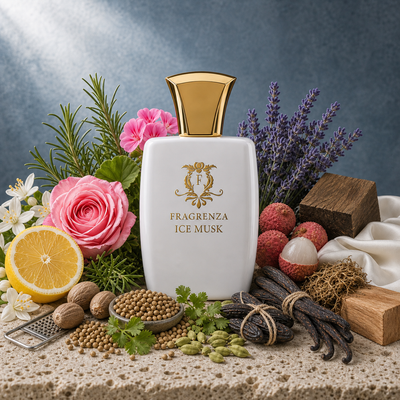
— soft iris, pear, pink pepper. The more textured Skin Scent 2.0 option. Iris adds powdery softness; pear adds a faint lactonic fruit facet. The category at its more dimensional.
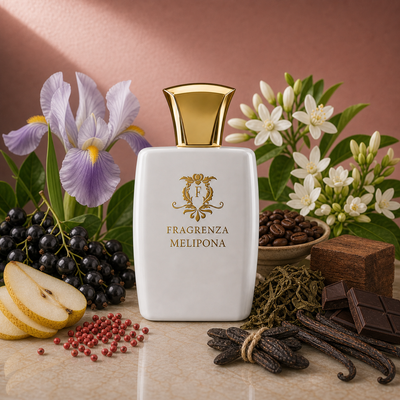
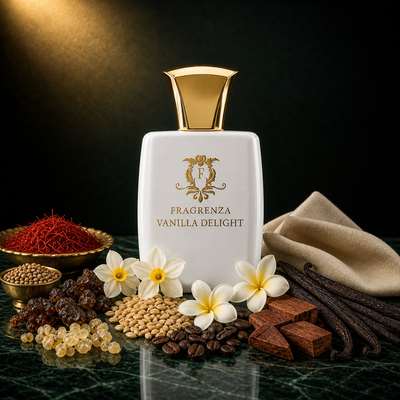
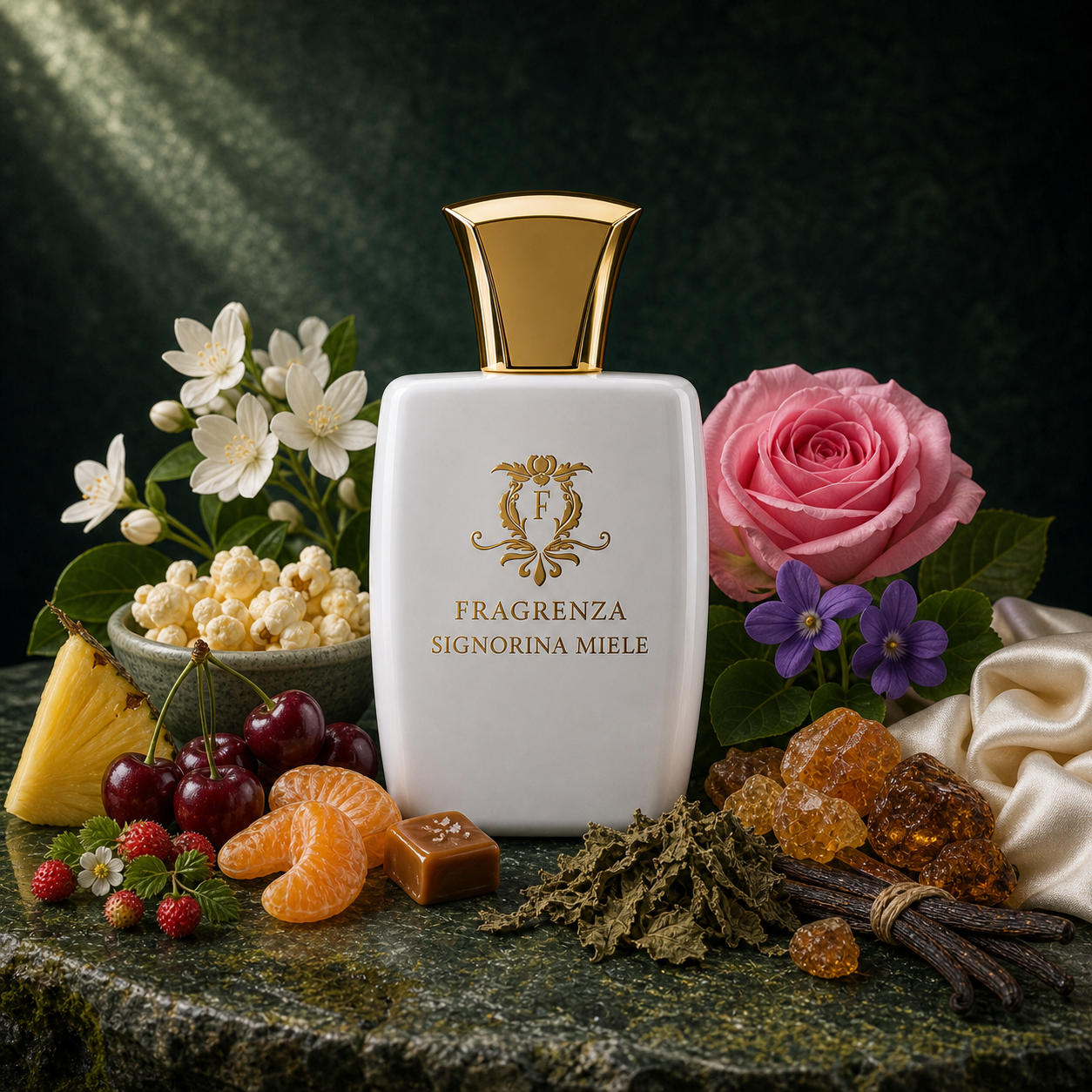
— caramel, oud, vanilla, milky undercurrent. The most gourmand-adjacent Skin Scent 2.0 option. Wears close to skin despite the heavier base materials. Best for anyone who wants the category but with more sensual depth.
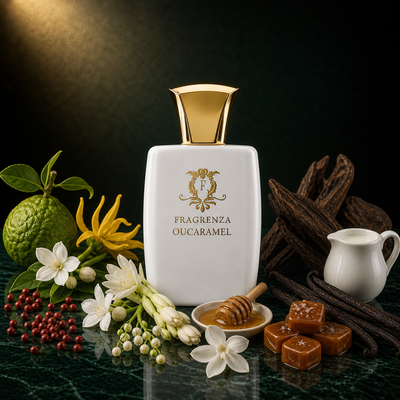
If you're new to the line or new to the skin scent category, the Fragrenza sample pack is the cleanest way to try several on your own skin. Skin chemistry varies more in this category than any other, so a 30-second store test is genuinely useless.
For more on the category
If you want the foundational definition and history of skin scents (what they are, why they smell different on different people, what notes go into them), our guide to what skin scents actually are is the educational pillar. This piece is the trend hub — the new direction. The educational pillar covers the category itself.
Frequently asked questions
What is the difference between Skin Scents 1.0 and 2.0?
The 1.0 wave was about minimalism — sparkling-water musks, empty-water ambroxan, perfumes designed to read as nothing. The 2.0 wave keeps the close-to-skin projection but adds substance: lactonic creaminess, trace gourmand warmth, softer musks, often a faint floral or fruit accent. The result lasts longer, has more character, and works in more situations.
Why are skin scents trending again in 2026?
Three reasons converged. The original wave's longevity problems frustrated a lot of buyers, creating demand for skin scents with substance. The lactonic note category peaked at the same time and pairs naturally with the skin scent register. And the cultural shift toward "quiet luxury" rewards perfumes that feel expensive without announcing themselves — which Skin Scents 2.0 deliver more convincingly than the empty-water 1.0 generation did.
What notes are in modern skin scents?
Warmer musks (polycyclic musks rather than ambroxan alone), lactonic notes (rice milk, coconut milk, sandalwood's creamy facet), trace gourmand (faint vanilla, soft caramel), soft sandalwood, and sometimes faint floral or fruit accents (peony, iris, white peach). The unifying principle is warmth and texture, not transparency.
Are skin scents long-lasting?
Skin Scents 2.0 last meaningfully longer than the original wave because the lactonic and trace-gourmand bases give the composition real anchor material. Typical wear time for a well-built modern skin scent is 6 to 8 hours; up to 10 on oily skin or in cooler weather.
Can men wear Skin Scents 2.0?
Yes — and increasingly do. The category is genuinely unisex. The smellmaxxing trend has driven significant interest in skin scents from the men's audience, particularly the warmer, slightly creamy versions of the 2.0 direction that read as both confident and personal.
What is the best modern skin scent for everyday wear?
A clean-musk-anchored composition with a soft lactonic or faint vanilla base. The Fragrenza ice-musk is in this register; for slightly more texture, melipona. Both are formulated for everyday wear and project softly in the way a skin scent should.
How is a Skin Scent 2.0 different from a clean perfume?
A clean perfume is defined by aesthetic (fresh, soapy, just-showered) and can project loudly. A skin scent is defined by projection (close to the body) and can be warm and creamy rather than clean. Skin Scents 2.0 specifically sit in the "warm and close" register — not clean in the soapy sense, but personal and gentle in the way a skin scent always is.
A final note
If you tried the original skin scent wave and didn't love it, the 2.0 generation deserves a fresh test. The category has genuinely improved — better longevity, more character, warmer texture. The result is the close-to-skin intimacy of the original wave with the substance of an actual fragrance underneath. The bottles that fit this register are the ones to invest in if you want a wardrobe staple that wears in any setting and rewards getting close.