

Lemongrass in Perfumery 2026: The Bright Citrus-Herbal That Bridges Citrus and Vetiver
Citral, a mixture of geranial and neral, accounts for 65 to 85% of the oil of Cymbopogon citratus, and that density lets lemongrass keep going where pure lemon has already vanished.
By Julia Moretti 5 min read
What Lemongrass Actually Is
Lemongrass is a tall perennial grass (Cymbopogon citratus and Cymbopogon flexuosus) native to South and Southeast Asia. The grass is widely cultivated for both culinary and perfumery use; the essential oil is steam-distilled from the chopped leaves. The dominant commercial source regions are India (especially Kerala and Tamil Nadu), Guatemala, China, and Indonesia. India dominates global commercial supply.
The two main species produce slightly different oils. West Indian lemongrass (Cymbopogon citratus) is the type most commonly used in Asian cooking; East Indian lemongrass (Cymbopogon flexuosus) produces a slightly more intense oil and is favoured for perfumery and aromatherapy applications. The two are largely interchangeable in fragrance use but the East Indian variety is considered slightly more luxury-tier.
What Lemongrass Smells Like
Lemongrass essential oil produces a bright, sweet-grassy character that bridges citrus and aromatic-herbal registers. The note reads as lemon-adjacent but is structurally distinct from actual lemon — lemongrass has a denser, more vegetative quality with quiet herbal-cut-grass facets that lemon lacks. The character is fresh and uplifting in the opening but has more longevity than pure citrus materials.
The single most useful identifier of lemongrass character is the bittersweet-grassy quality at the 30-minute mark. Pure lemon fades to imperceptibility within 20 minutes; lemongrass persists with a softer-sweetened-grassy dry-down that contributes to the wear arc for an hour or more.
The Chemistry of Lemongrass
Lemongrass essential oil is dominated by citral — a mixture of two isomeric aldehydes (geranial and neral) that together account for 65-85% of the oil. Citral is responsible for the lemon-like character of lemongrass and is the same molecule responsible for the lemon character in actual lemon oil. The remaining content is myrcene, geraniol, citronellal, and various minor terpenes that contribute the grassy-herbal facets.
The high citral content is what makes lemongrass useful as a perfumery material but also limits its structural stability. Citral is prone to oxidation over time, which is why lemongrass-heavy compositions are best stored in dark, cool conditions and used within 2-3 years of purchase.
The Culinary and Cultural Background
Lemongrass has been used in Asian cuisine for over two thousand years. Thai, Vietnamese, Indonesian, Indian, and Sri Lankan cooking traditions all use lemongrass extensively as a flavour ingredient. The plant has also been used in traditional Ayurvedic medicine, Chinese traditional medicine, and various Asian aromatherapy practices.
The transition from culinary to perfumery use happened gradually through the 20th century. The mass-market awareness of lemongrass character through Asian cuisine (Thai food in particular became globally popular through the 1980s and 1990s) helped establish lemongrass as a recognisable note in Western perfumery readers' mental palette.
Lemongrass in Modern Perfumery
Lemongrass appears widely as supporting material in fresh-aromatic, Mediterranean, and aromatic-fougere compositions. Its citral content provides bright opening lift; its grassy-herbal facets add character that distinguishes lemongrass from straight citrus materials. The note pairs particularly well with lavender, sage, vetiver, ginger, and clean musks.
Notable lemongrass-led compositions include Tom Ford Neroli Portofino (uses lemongrass in the opening), Acqua di Parma Colonia Pura (lemongrass in the supporting citrus structure), and various Mediterranean-coded niche releases. The note is rarely the dominant signature — it functions more as bright character lift than as feature material.
How Lemongrass Pairs in Compositions
Lemongrass pairs particularly well with:
Lavender (the aromatic-fougere tradition) — the combination produces the modern fresh-aromatic-masculine register.
Bergamot and lemon (reinforced citrus opening) — lemongrass adds depth that pure citrus alone cannot provide.
Vetiver (earthy-grass continuation) — the combination produces summer-warm-weather Mediterranean character.
Ginger (Asian-spice-adjacent) — the combination produces Asian-coded modern fresh compositions.
Tea notes — the bright-grassy character of lemongrass pairs naturally with tea-character molecules.
Lemongrass vs Related Materials
Lemongrass distinguishes from adjacent citrus materials.
Lemon (Citrus limon) is sharper and more acidic; lemon lacks the grassy-herbal facets that lemongrass provides.
Bergamot is brighter and more floral; bergamot has citrus-floral character that lemongrass lacks.
Lime is sharper and more aromatic; lime has green-herbal facets but different from lemongrass.
Citronella is a related grass with similar citral content but more insect-repellent-aromatic character.
Vetiver is closer to lemongrass than citrus materials — both are grass-derived essential oils, but vetiver is earthier and more woody than lemongrass.
Lemongrass in the Fragrenza Catalog
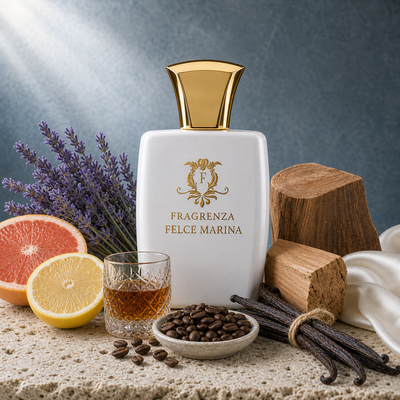
The Fragrenza catalog uses lemongrass-character molecules in
(citrus-aromatic playful summer composition) and supporting positions across (Mediterranean aquatic-aromatic) and the wider fresh-masculine quintet. The lemongrass character contributes the bright opening lift that distinguishes Fragrenza's summer-leaning compositions from generic citrus-cologne competitors.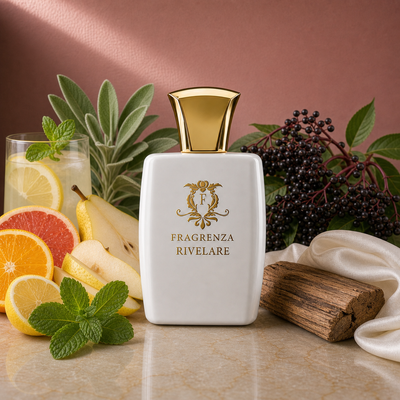
How to Wear Lemongrass Compositions
Lemongrass-led fragrances are spring-and-summer coded. The bright citrus-grassy character benefits from warm temperatures, which amplify the volatile materials and produce confident projection.
Two sprays for daytime; three for early evening. Apply to pulse points. Avoid extended exposure to direct sunlight on freshly-applied skin — the high citral content can interact with UV light to produce minor skin reactions in some wearers.
Related Reads
- Lemon in Perfumery — the adjacent citrus material
- Bergamot in Perfumery — the brightest citrus partner
- Vetiver in Perfumery — the adjacent grass-derived material
- Best Summer Colognes for Men 2026 — the warm-weather masculine landscape
- Lavender in Perfumery — the fougere-tradition partner
- Best Acqua di Parma Colonia Alternatives 2026 — the Mediterranean citrus tradition
- Skin Scents 2.0 — the modern restraint movement
Frequently Asked Questions
What does lemongrass smell like?
Bright, sweet-grassy, citrus-herbal character. Reads as lemon-adjacent but with more vegetative depth than pure lemon.
Is lemongrass the same as lemon?
No — they share citral content but lemongrass has stronger grassy-herbal facets that lemon lacks.
Where does perfumery lemongrass come from?
Primarily India (Kerala, Tamil Nadu), Guatemala, China, and Indonesia. India dominates global commercial supply.
What season is lemongrass best for?
Spring and summer.
Is lemongrass masculine or feminine?
Genuinely unisex. The character itself is gender-neutral; the architectural family determines the gender coding in a given composition.
What pairs with lemongrass?
Lavender, citrus, vetiver, ginger, tea notes, aromatic herbs.
Is lemongrass widely used in modern perfumery?
Used widely as supporting material; rarely as dominant feature. The category does not have a single canonical luxury-led anchor.
Does Fragrenza use lemongrass?
Yes — in Rivelare (citrus-aromatic summer composition) and supporting positions across Felce Marina and the wider fresh-masculine quintet.
The Bottom Line
Lemongrass is a citrus-herbal Asian grass material that adds bright opening character and structural depth to fresh-aromatic, Mediterranean, and aromatic-fougere compositions. The citral-dominated chemistry provides lemon-adjacent freshness with longer wear than pure citrus materials. The Fragrenza Rivelare and Felce Marina use lemongrass-character molecules to anchor warm-weather and summer-aromatic compositions at sustainable prices.