

Rose Water in Perfumery: Soft, Aqueous, and Timelessly Elegant
Rose water is one of perfumery's most beloved floral notes, a note every fragrance lover should learn to recognise on skin.
By Julia Moretti 7 min read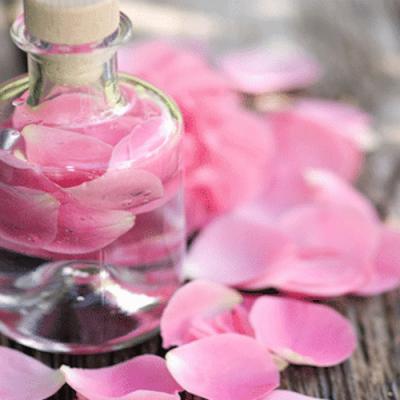
Between Water and Flower
Rose water is not simply a diluted rose. It is a distinct aromatic experience — softer, more transparent, more aqueous than the rich, velvety complexity of a rose absolute or even a rose otto. Where rose absolute smells dense and warm, almost jammy in its richness, rose water has a quality of distance and delicacy, as though the flower is being perceived through a light mist. It is the rose from across the room, the scent that drifts rather than announces.
This distinction has made rose water a valuable and distinct concept in perfumery, even though it is derived from the same botanical source as other rose materials. The qualities that make rose water appealing — its transparency, its freshness, its slightly aqueous, dewy character — are different enough from those of heavier rose materials that it occupies its own territory in both fragrance composition and in the imagination of the wearer.
Understanding rose water in perfumery means understanding not just a single ingredient but an approach to floral fragrance that prizes lightness, transparency, and the impression of coolness over richness, warmth, and density.
What Does Rose Water Smell Like?
Authentic rose water — the hydrosol produced as a by-product of steam distillation of rose petals — has a distinctly light, slightly watery floral character. It is clearly rose, but rose with most of the heavier, more complex phenylethyl alcohol richness removed by the distillation process. What remains is clean, delicate, and slightly aqueous: the lightest and most translucent facet of the rose character.
In perfumery, rose water as an effect (rather than as a specific ingredient) is achieved through the selective emphasis of the lighter, more transparent molecules in the rose character while minimising the heavier, more concentrated ones. The result is a floral note that reads as fresh rather than rich, airy rather than dense, cool rather than warm.
There is a particular quality in rose water accords that is difficult to describe precisely but is immediately recognisable: a slightly wet, dewy freshness as though the petals are still carrying morning dew. This quality distinguishes rose water from both the deep richness of rose absolute and the clean, geometric precision of synthetic rose molecules like damascone. It is a quality of naturalness and gentle presence that has appealed to perfumers and consumers for centuries.
Historical Roots: Rose Water Through the Ages
Rose water has one of the longest histories of any perfumery material. The distillation of roses to produce rose water is believed to have been developed in Persia around the ninth or tenth century CE, and the trade in rose water quickly spread across the Middle East and Mediterranean world. Persian rose water from Shiraz and the valley of roses became one of the most prestigious and widely traded aromatic products of the medieval world.
In pre-industrial Europe and the Middle East, rose water functioned simultaneously as a fragrance, a cooking ingredient, a ceremonial offering, and a cosmetic material. The association between rose water and feminine beauty, refinement, and religious devotion runs through thousands of years of cultural history across multiple civilisations. This depth of association gives rose water a cultural resonance in fragrance that no amount of synthetic construction can fully replicate.
The great rose-growing regions — the Rose Valley of Bulgaria, the Isparta region of Turkey, the Grasse countryside in France, and the Taif region of Saudi Arabia — all produce rose water as part of their traditional perfumery and cosmetic industries. Each region's rose water has slightly different aromatic character depending on the variety of rose grown and the distillation practices used.
Key Aroma Molecules
Rose water contains a different molecular profile from rose absolute or rose otto precisely because the hydrosol fraction captures different compounds than the oil fraction. The dominant aromatic molecule in rose water is phenylethyl alcohol, a pleasant, sweet, rose-like compound that is highly soluble in water and therefore passes into the hydrosol rather than concentrating in the oil phase. This makes rose water comparatively rich in phenylethyl alcohol relative to the hydrophobic terpene compounds that dominate rose oil.
Rose oxide, a cyclic ether with a distinctive, slightly rosy and somewhat fruity character, contributes to the specific freshness of rose water. At trace amounts, rose oxide is one of the most distinctive olfactory signatures of rose, instantly identifiable by experienced perfumers. Rose oxide in perfumery has its own entry worth exploring for a deeper understanding of this molecule's role in creating convincing rose accords.
Geraniol and citronellol, found in both rose absolute and rose water, contribute the slightly citric-floral quality that prevents rose water from being one-dimensional. Together with phenylethyl alcohol and the minor but important note of rose oxide, these molecules create the light, transparent rose character that distinguishes rose water from heavier rose materials.
Rose Water in Fragrance Composition
As a compositional element, the rose water effect is typically achieved in modern perfumery through careful blending of lighter rose molecules rather than through the actual material. Rose absolute is expensive and varies in quality; the rose water hydrosol itself is even more delicate and difficult to use in stable formulations. Perfumers constructing a rose water accord will typically use phenylethyl alcohol as the foundation, supported by lighter damascone fractions, rose oxide at very low concentrations, and clean, transparent musks that echo the aqueous quality of the accord.
Rose water effects work particularly well in light, transparent fragrance compositions — eaux de cologne, summer fragrances, and the style of transparent, skin-close fragrance that became influential in the 2010s through houses like Maison Margiela and Juliette Has a Gun. In these contexts, the rose water approach allows floral character without heaviness, romance without richness.
In floral fragrances, rose water accords provide a bridge between fully classical, dense rose-floral compositions and the lighter, more contemporary floral styles that have gained prominence in recent years. They allow perfumers to reference the rose tradition while creating something that reads as fresh and modern.
Famous Fragrances Using Rose Water Effects
Miss Dior uses rose in a light, fresh, slightly dewy interpretation — the fragrance's quality of springtime freshness owes something to the rose water approach of emphasising the lighter, more transparent facets of the rose character. The overall impression is of a rose seen in clear, cool morning light rather than the full richness of afternoon bloom.
Chance by Chanel approaches rose similarly — a note present in its clearest, most transparent form, combined with iris and white musks to create a composition that is unmistakably floral but never heavy. This approach to the rose note is quintessentially contemporary in its preference for the clean over the opulent.
Delina by Parfums de Marly takes the rose note in a different direction — fuller and more present than a true rose water interpretation but still maintaining a quality of freshness and luminosity through the combination of rose with lychee and Turkish rose. The distinction between this approach and the richer, more classical rose absolute approach is instructive for understanding the range of the rose note in contemporary perfumery.
Note Interactions
Rose water's greatest strength as a blending ingredient is its compatibility with a wide range of other notes. With musks, particularly clean white musks, rose water creates a skin-close floral accord of remarkable warmth and naturalness. The musk provides depth and tenacity; the rose water provides the fresh, clean floral character. Together they create the effect of clean, warm skin with a light floral quality that is among the most appealing and versatile in all of perfumery.
With iris, rose water creates a classic pairing of considerable elegance. Both notes share a quality of cool, powdery freshness, and together they create compositions that read as refined and classical without being heavy or dated. The rose-iris pairing appears in many celebrated perfumes and continues to be a reliable foundation for sophisticated floral compositions.
Against sandalwood and soft woods, rose water creates a warm, clean floral-woody accord that is among the most flattering and universally appealing in fine fragrance. The wood grounds the lightness of the rose water, giving it depth without weight. Against oud, however, the pairing is more dramatic — the juxtaposition of rose water's transparency and oud's density creates a striking contrast that can be very beautiful or very uncomfortable depending on the skill of its execution.
Wardrobe Context
Fragrances built around rose water effects are among the most seasonally versatile in the floral category. The lightness and transparency of the effect means that these compositions rarely feel too heavy for summer — the quality they lack in richness they gain in freshness. In cooler months, a richer fragrance wardrobe context might call for heavier floral interpretations, but rose water compositions can still work beautifully in the spring and early autumn, when a note that is clearly floral but not dense is exactly right.
For day wear and professional contexts, rose water fragrances are among the safest and most reliably appropriate choices in the floral family. Their lightness, cleanliness, and universal appeal — the rose note in any form is one of the most cross-culturally appealing in perfumery — make them suitable for almost any setting.