

Syringa in Perfumery: The Forgotten Lilac Blossom That Captivates Floral Lovers
Syringa is a modern, clean, low-lit signature: dry-bright on opening, evenly tuned through the heart, slow and quiet in the base.
By Julia Moretti 6 min read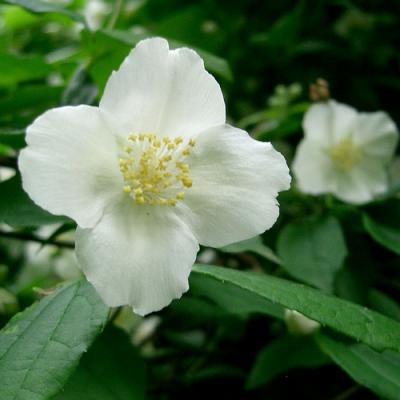
Syringa is the botanical name for lilac — the flowering shrub whose purple and white clusters perfume gardens and parks across the temperate world with one of spring's most evocative scents. In perfumery, syringa and lilac are used interchangeably to describe a distinct floral note with a cool, powdery sweetness and a faintly spicy, green depth that makes it immediately recognisable to anyone who has stood beneath a lilac tree in bloom. It is one of those floral notes that carries enormous nostalgic and emotional weight, yet remains genuinely underexplored in fine fragrance relative to its cultural significance.
What Does Syringa Smell Like?
Syringa — lilac — has a complex, layered fragrance that resists simple description. The dominant impression is of cool, powdery sweetness: a freshness that feels more mineral and atmospheric than the warmer, honeyed sweetness of jasmine or tuberose. Within this cool, powdery character there is a distinctive spicy quality — a slight clove or eugenol-like facet — that gives lilac its characteristic depth and prevents it from being merely soft and gentle. There is also a green, slightly watery quality that evokes the stem and leaves, contributing botanical realism and anchoring the floral note in its garden context.
The overall impression of syringa is of a spring morning in a temperate garden: fresh, slightly cool, sweetly floral with that distinctive powdery mineral quality, and just faintly spiced. It is quintessentially European in its associations, conjuring the gardens of England, France, and Northern Europe in the weeks between late April and early June when lilac reaches its peak. This seasonal specificity — lilac blooms briefly and intensely, then is gone — contributes to the nostalgic, almost elegiac quality that many people associate with the note.
The Challenge of Capturing Lilac: Natural vs. Reconstruction
Like sweet pea, lilac faces a fundamental technical challenge: the flowers cannot be extracted by conventional means. Steam distillation destroys the volatile aromatic compounds; solvent extraction produces very small yields of a material that doesn't faithfully represent the flower's living scent. The natural absolute of lilac, where it exists at all, is extremely rare, expensive, and not reliably representative of the flower's true character in the garden.
This means that every lilac fragrance is a reconstruction, an act of interpretive creativity using materials that individually contribute facets of the flower's character. The quality of these reconstructions varies enormously — from the truly beautiful, convincing accords in the finest floral compositions to the harsh, synthetic purple-candy versions that gave lilac a somewhat cheap reputation in body products of the 1990s. Understanding that good lilac is a composition problem rather than an extraction problem helps explain why the note's quality range is so wide.
Key Molecules in Lilac Reconstruction
The lilac accord draws on several compound families. Terpineol (alpha-terpineol specifically) is considered the central molecule of the lilac impression — it is lilac-specific in the way that benzyl acetate is jasmine-specific, providing the cool, slightly medicinal, powdery-floral base on which other materials build. Phenyl ethyl alcohol contributes rose-like freshness; linalool adds bright floral uplift; anisaldehyde provides the slightly powdery, sweet-anisic facet that gives lilac its distinctive cool-sweet depth.
Eugenol and isoeugenol contribute the spicy, clove-like element that creates syringa's characteristic depth; hydroxycitronellal adds a dewy, muguet-like freshness; and cis-3-hexenol in very low concentrations contributes the green, cut-stem quality that botanical realism demands. Some perfumers add a trace of cyclamen-type materials to give the accord an additional watery-floral freshness that reads convincingly as spring flowers in bloom.
Syringa in Fragrance History
Lilac has a distinguished history in perfumery that stretches back at least to the late nineteenth century. The note was particularly prominent in the Belle Époque period, when the fashion for spring-garden florals driven by the impressionist aesthetic in art found its parallel in fragrance. Several of the great classical French houses offered lilac-centric compositions, and the note enjoyed considerable fashionable prominence through the early twentieth century.
The mid-twentieth century brought a shift in perfumery aesthetics away from simple, single-floral compositions toward more complex, abstract constructions, and lilac receded somewhat from the forefront. The 1990s body product boom brought it back in force, but often in cheap, synthetic reconstructions that lacked the delicacy of the original. Contemporary niche perfumery has been rehabilitating the note, treating it with the artistic seriousness its character deserves. The floral fragrance collection showcases many of the finest examples of this kind of botanical interpretation.
Famous Fragrances Featuring Syringa
Lilac appears in numerous celebrated compositions, often as a supporting note within complex floral accords rather than as a soloist. Its cool, powdery freshness makes it a useful modifier for rich, heavy white florals — adding lightness and spring-morning freshness to compositions that might otherwise become too dense.
Chance by Chanel's clean, powdery freshness shares aesthetic DNA with the syringa tradition — that cool, slightly mineral-powdery white floral quality that feels both timeless and contemporary. Compositions that list lilac alongside muguet (lily of the valley), iris, and rose consistently produce accords of great elegance and a specifically northern European spring character.
Within the world of floral niche fragrances, several houses have created lilac-centric compositions that showcase the note's full range of character, from dewy spring freshness through to a more powdery, slightly dusty intimacy that feels more like a dried flower than a living one.
How Syringa Interacts with Other Notes
Syringa's cool, powdery character makes it a naturally cooperative ingredient in floral compositions. Its strongest partnerships are with other spring flowers: lily, muguet, violet, and iris all share syringa's powdery, slightly cool freshness, and together these create the classic spring garden accord of enormous emotional resonance. With rose, syringa provides the airy contrast to rose's denser, warmer character, producing a composition that breathes more freely than rose alone.
Musk and syringa make a particularly effective pairing in the skin-scent register: the powdery coolness of the lilac settles into a soft, clean musk dry-down that feels like the most delicate and natural thing in the world. This combination appears in numerous bestselling feminine compositions and has been a cornerstone of the spring fragrance aesthetic for decades.
Syringa is less at home in heavy, dark, or resinous contexts, where its delicacy is overwhelmed. It is a note of restraint and elegance, most effective when the composition around it allows those qualities space to breathe.
Wearing Syringa Fragrances
Syringa belongs to spring as definitively as almost any note in perfumery. Its associations are so strongly seasonal that wearing a lilac fragrance in deep winter or at the height of summer creates a subtle but real dissonance. In April and May, however, a beautifully constructed lilac composition feels not just appropriate but almost necessary — an aromatic extension of the season's particular beauty. For daywear, office wear, and casual spring occasions, these fragrances offer an ideal combination of distinctiveness and approachability.
Final Thoughts
Syringa — lilac — is one of perfumery's most emotionally resonant floral notes: a brief, brilliant bloom captured in fragrance with varying degrees of success but, at its best, with extraordinary beauty. Its cool, powdery freshness, its green botanical depth, and its spring-morning associations make it a note that will never date, never lose its ability to move people, and never cease inspiring perfumers to attempt ever more faithful and creative recreations of one of nature's most exquisite gifts.