

Tom Ford Lost Cherry: Full Scent Review, What It Smells Like, and the Best Alternatives
Tom Ford Lost Cherry: Full Scent Review, What It Smells Like, and the Best Alternatives, an editorial deep-dive on notes, character, and how to wear it
By The Fragrenza Team 9 min read
Tom Ford Lost Cherry doesn't smell like fruit. It smells like a memory of fruit — a black cherry crushed in a copper bowl, drizzled with almond syrup, and left to caramelize in the late-afternoon sun. When it launched in 2018 as part of the Tom Ford Private Blend collection, almost no one expected a cherry-forward fragrance to become one of the defining gourmands of the era. Five years later, it has spawned an entire subgenre of sweet, dark-cherry fragrances and become one of the most-requested dupes in modern perfumery.
This is the full review. Not a quick take, not a top-notes summary — the complete breakdown of why Lost Cherry works, what it actually smells like across its full development, who it suits, and how Fragrenza's alternatives compare. If you've been considering Lost Cherry or hunting for a credible alternative, this is the article to read first.
The Cultural Moment Lost Cherry Created
Before Lost Cherry, cherry as a perfumery note belonged to the lipstick-and-cough-syrup graveyard — too literal, too candy-sweet, too associated with grandmothers' purses and drugstore body sprays. Niche perfumery had largely abandoned it. Then Tom Ford, with his characteristic instinct for finding the unrespectable note and rebuilding it as luxury, released Lost Cherry, and the entire fragrance internet recalibrated.
What made Lost Cherry feel novel wasn't the cherry itself — it was the architecture around it. The cherry was treated as a dark, fermented, almost boozy fruit rather than a bright candy note. It was paired with bitter almond, tonka, and a creamy sandalwood base that took the fruit somewhere closer to dessert than fragrance. The result was something that smelled simultaneously expensive and edible, sensual and innocent, and — critically — unlike anything else on the market at that moment.
What Lost Cherry Actually Smells Like, Hour by Hour
The opening is the part most people remember, and it's also the part that polarizes wearers. For the first fifteen minutes, Lost Cherry smells emphatically of black cherry — ripe, glossy, slightly fermented. Almond appears immediately alongside the cherry, lending a marzipan-adjacent sweetness that softens the fruit's tartness. This phase reads almost photorealistic, and it's where people either fall in love or recoil.
Around the thirty-minute mark, the cherry begins to settle and the almond moves forward. The fragrance transitions into something creamier, with subtle hints of rose appearing in the background. This middle phase is where Lost Cherry earns its perfumery credibility — the rose adds a powdery sophistication that lifts the composition out of pure dessert territory and into something more mature.
By the two-hour mark, Lost Cherry has fully transitioned into its dry-down. The cherry is still present but distant, like a memory rather than a flavor. Tonka, sandalwood, and a soft amber take over, producing a warm, creamy, slightly powdery base that hugs the skin and lingers for the rest of the day. This dry-down is where Lost Cherry shows its hand: it's not really a cherry fragrance, it's a dessert-warm gourmand wearing a cherry disguise.
Amarena Cherry — The Direct Alternative
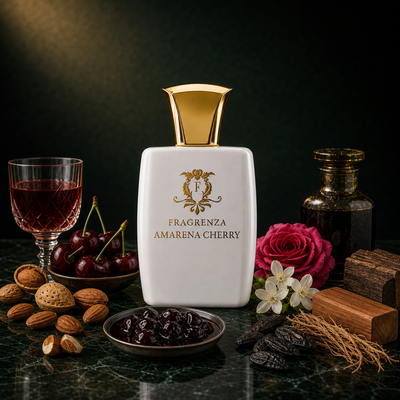
Amarena Cherry is Fragrenza's direct alternative to Lost Cherry, and it's the obvious starting point for anyone seeking a credible substitute. The structure mirrors Lost Cherry's three-act progression — fermented cherry opening, almond-and-rose middle, creamy gourmand base — and the overall impression is remarkably faithful to what makes Lost Cherry recognizable.
Where Amarena Cherry sets itself apart is in its slightly less polarizing opening. The fermented-cherry note is present but doesn't dominate quite as aggressively as Lost Cherry's, which makes Amarena Cherry an easier sell to wearers who found Lost Cherry's first ten minutes too intense. Once you reach the dry-down, however, the two fragrances occupy nearly identical emotional territory, and side-by-side comparisons in our community have noted that the base notes are virtually indistinguishable. For background on cherry as a perfumery note, see our notes-in-perfumery archive.
Vanilla Delight — The Dry-Down Distilled
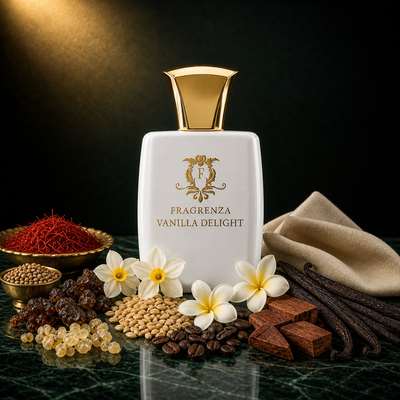
If your favorite phase of Lost Cherry is the warm, creamy, vanilla-and-sandalwood base that emerges after two hours — the phase where the cherry has receded and the dessert-warm halo takes over — Vanilla Delight is essentially that phase isolated and developed into its own composition. There's no cherry, but the textural quality of the base is so close to Lost Cherry's final hours that many Lost Cherry wearers reach for Vanilla Delight when they want the comfort of that dry-down without the polarizing opening.
Vanilla Delight is especially useful in warmer weather, when Lost Cherry's full structure can feel heavy. The vanilla is creamy rather than sugary, and the overall effect is intimate without being cloying. It's the Lost Cherry alternative for wearers who want to skip straight to act three.
Bontà — Warmth Without the Fruit
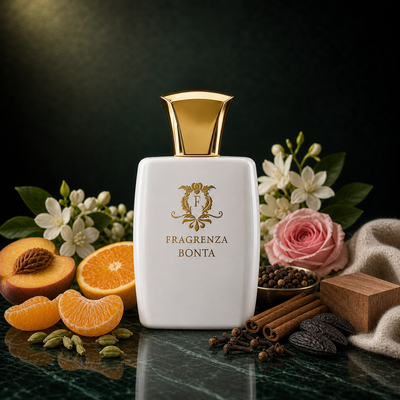
Bontà captures the spiced, warm, creamy-skin dimension that gives Lost Cherry its sensual quality once the fruit fades. Built around soft spices and a creamy base, Bontà occupies a similar emotional space to Lost Cherry's middle and base phases — confident, slightly indulgent, warm enough to wear in winter but not so heavy that it feels overdressed in spring.
The reason Bontà appears in this guide isn't that it smells like Lost Cherry — it doesn't, in any literal way. It's that wearers who reach for Lost Cherry are often reaching for the feeling of warm, dessert-adjacent skin, and Bontà delivers that feeling without the cherry's drama. It's the fragrance for the days when you want Lost Cherry's mood but not Lost Cherry's volume.
Melipona — Iris, Pear, and a Coffee-Chocolate Undertone
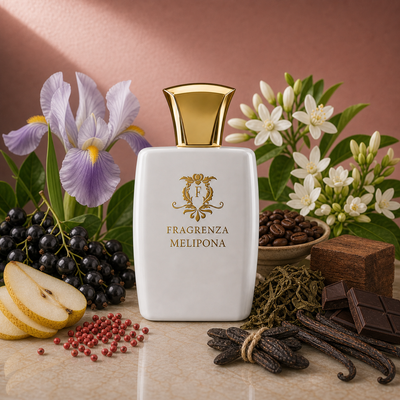
Melipona captures a different facet of Lost Cherry's appeal: the dessert-adjacent dry-down moment where the cherry has settled and the composition reveals a quieter, slightly chocolate-tinged warmth. Melipona is built on iris, pear, and pink pepper at the opening, resolving into a soft coffee-chocolate undertone in the dry-down — the Skin Scents 2.0 register that delivers skin-close warmth without dense floral volume. It does not smell like cherry, but it occupies the same warm, slightly indulgent, intimate emotional territory that Lost Cherry settles into after the fruit recedes.
This is the Lost Cherry alternative for wearers who reach for the fragrance most often in its dry-down phase, especially anyone who finds traditional gourmands too heavy for daytime or office wear. Melipona reads lighter on skin than Lost Cherry but lingers in the same warm, skin-close way that makes Lost Cherry feel comforting rather than performative. The coffee-chocolate undertone provides the gourmand echo without committing fully to the cherry-almond drama of the original.
Oucaramel — Caramel Meets Soft Spice
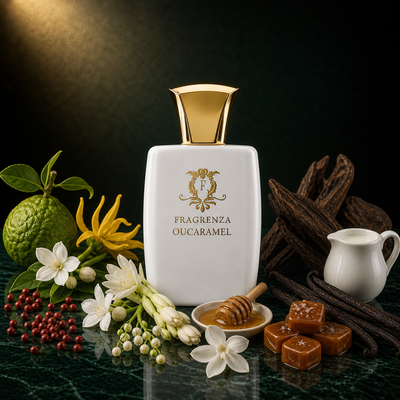
Oucaramel takes Lost Cherry's gourmand ambitions and pushes them in a caramel direction. Where Lost Cherry layers cherry over a creamy base, Oucaramel layers caramel over warm spice, producing a fragrance that occupies the same dessert-warm emotional space but with a different flavor profile. It's the Lost Cherry alternative for wearers who liked the warmth but wanted less fruit and more confection.
Wear Oucaramel when you want the comfort of a gourmand without the cherry's specificity — it's a more flexible option for office wear and daytime contexts where Lost Cherry's fruit-forward opening might read as too dessert-like.
How to Choose Between Them
If you want the closest match to Lost Cherry's full structure, start with Amarena Cherry — it's the direct alternative and the most faithful to the original's three-act progression. If you love the dry-down most, Vanilla Delight captures it without the cherry opening. If you want the warm-skin mood without the fruit, Bontà is your pick. For wearers who reach for Lost Cherry mostly for its quiet dry-down, Melipona offers the iris-and-coffee-chocolate echo in a lighter, skin-close package. And if caramel feels more your speed than cherry, Oucaramel delivers the gourmand satisfaction in a different register.
How to Wear Lost Cherry and Its Alternatives
Gourmand fragrances like Lost Cherry reward restraint. Two sprays is the right dose — one on the chest, one at the back of the neck — and over-application turns a sophisticated gourmand into something that smells like a candy aisle. Cherry and almond notes in particular tend to amplify in warm rooms, so consider applying half your usual dose when the temperature climbs above 75°F. For more on technique, see our application guide and the pulse-point guide.
Gourmands also tend to develop more on skin than other fragrance families. Don't judge Lost Cherry or its alternatives in the first fifteen minutes — the magic happens around the one-hour mark, when the opening settles and the base notes begin to emerge.
Related Reads
- Tom Ford Lost Cherry dupe guide
- What does Tom Ford Lost Cherry smell like
- Cherry as a perfumery note
- Almond in perfumery
- Tonka bean as a base note
- Anatomy of a perfume
- Different fragrances for different occasions
Frequently Asked Questions
Is Lost Cherry unisex?
Yes, Lost Cherry wears beautifully on all skin types despite being filed under women's fragrance in some retailers. The almond and tonka base notes give it enough warmth and structure to feel grounded on traditionally masculine skin, while the cherry-and-rose middle keeps it from reading as overly serious. Many of the most enthusiastic Lost Cherry wearers in our community are men who find it pairs particularly well with a clean-shaven look.
How long does Lost Cherry last?
Lost Cherry typically projects for three to four hours and lingers as a skin scent for another six to eight hours, putting total wear time around eight to twelve hours on most skin types. Dry skin can shorten this; moisturized skin extends it. The Fragrenza alternatives in this guide perform in similar ranges, with Amarena Cherry being the closest match in both longevity and projection.
Is Lost Cherry too sweet for office wear?
Lost Cherry can read as too sweet in close-quarters office environments if you over-apply. Two sprays is the maximum recommended dose for office wear. Alternatives like Oucaramel and Vanilla Delight read as slightly more office-friendly because they lack the polarizing cherry opening that can feel out of place in conservative work environments.
What's the difference between Lost Cherry and Electric Cherry?
Tom Ford's Electric Cherry is a brighter, more candy-forward interpretation of the cherry note — less fermented, less dessert-warm, more daytime-cheerful. Lost Cherry sits darker and more sensual, with the almond and tonka pulling it toward dessert rather than candy. Amarena Cherry sits closer to Lost Cherry's emotional space than Electric Cherry's.
Does the cherry note fade quickly?
In Lost Cherry, the literal cherry note recedes significantly after the first two hours, transitioning into a creamy, almond-and-tonka base where the cherry persists more as a memory than a flavor. This is true of Amarena Cherry as well. If you want a fragrance where the cherry remains dominant for the full wear, you may need to reapply at the four-hour mark.
Which is the best season to wear Lost Cherry?
Lost Cherry shines in autumn and winter, when its warm-skin gourmand structure feels seasonally appropriate. It can be worn in spring with a lighter hand, but summer heat tends to amplify the sweetness in ways most wearers find overwhelming. For summer alternatives, Melipona and Vanilla Delight offer the same emotional warmth in lighter, more heat-tolerant compositions.
The Bottom Line
Lost Cherry earned its reputation by treating an unrespectable note as luxury, and by building an architecture around that note that rewarded patience. The full experience of Lost Cherry only emerges after the first hour, when the cherry settles and the dessert-warm base takes over. Amarena Cherry delivers that same architecture at a fraction of the price, and the supporting picks in this guide — Vanilla Delight, Bontà, Melipona, and Oucaramel — cover the adjacent territory for wearers who want the mood without the fruit. Pick one to start, or build a small rotation that covers the full Lost Cherry universe.