

Broom in Perfumery: The Wild, Honey-Floral Note of the Garrigue
Broom is one of perfumery's most beloved floral notes. Learn how perfumers use it, what it smells like on skin, and the fragrances that wear it best.
By Julia Moretti 5 min read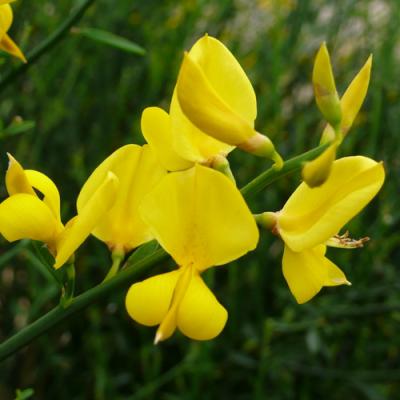
The Smell of Wild Hillsides: What Is Broom?
Common broom — Cytisus scoparius in botanical nomenclature, known in French perfumery as genêt — is one of those ingredients that few fragrance enthusiasts could identify by name but many would recognise by smell. The bright yellow flowers of the broom shrub, flowering in abundance across the hillsides of Western Europe from spring into summer, produce a scent of remarkable complexity: honeyed, slightly animalic, intensely sweet with green-herbal underpinnings and a faint quality sometimes described as resembling vanilla-coconut or hay. It is a scent that is simultaneously wild and cultivated, natural and opulent, immediately appealing and surprisingly complex.
In perfumery, broom absolute — produced by solvent extraction of the flowers, primarily in the Grasse region of southern France and in Spain — has been a valued material since the classical era of French haute parfumerie. It appears as a named ingredient in a relatively small number of fragrances, but its influence, both direct and through the many materials inspired by its character, has shaped French perfumery significantly. It belongs to the garrigue tradition of perfumery — alongside lavender, cistus, rosemary, and aromatic scrubland herbs — and shares with those materials an olfactory identity that is irreducibly and beautifully Mediterranean.
Botanical Origins and Production
Cytisus scoparius, common broom, is a fast-growing shrub native to Western Europe, found across the British Isles, France, Spain, and into Central Europe on heathlands, hillsides, and open woodland edges. Its relationship with the Provencal garrigue is particularly important for perfumery: the warm, dry, limestone hillsides of Provence and the surrounding region produce broom of exceptional aromatic quality, and the proximity to Grasse — the traditional centre of French fine fragrance ingredient production — cements its place in the French perfumery canon.
Closely related Spanish broom (Spartium junceum) produces a similar but distinct aromatic profile and has been used alongside and in place of common broom in perfumery. Spanish broom absolute tends to be slightly richer and more intensely honeyed than the Cytisus material, and the two are sometimes blended to achieve a more complex broom accord. The harvest of broom flowers for absolute production is highly labour-intensive — the flowers must be collected at their peak, typically in late spring, and processed quickly before aromatic compounds dissipate — contributing to the relatively high cost and limited availability of genuine broom absolutes.
Key Molecules in Broom's Aromatic Profile
The aromatic complexity of broom absolute arises from a rich and somewhat unusual mixture of compounds. Methyl anthranilate — the grape-like, sweet-floral molecule also found in orange blossom and some citrus materials — is a significant contributor to broom's honeyed, slightly exotic character. Its presence connects broom to the white floral family and explains part of the warm, honeyed sweetness that is so distinctive in the scent.
Indole, the molecule responsible for the rich, animalic depth in jasmine and other white florals, appears in broom absolute and contributes to its complex, slightly animalic character. The combination of methyl anthranilate and indole gives broom a depth and richness that places it firmly in the category of complex natural florals rather than simple sweet-green materials.
Benzyl alcohol, geraniol, and various aliphatic aldehydes contribute further dimensions of sweetness, floralcy, and waxy richness. The overall molecular profile is one of considerable complexity — there is no single dominant molecule in broom absolute, which is part of what makes the material so interesting and so difficult to replicate with a simple synthetic reconstruction.
Broom in Perfumery History
Broom has been present in the French perfumery tradition since at least the nineteenth century, when the absolute first became commercially available through the Grasse extraction industry. Its honeyed, slightly animalic floral character found immediate application in the complex floral-oriental compositions that dominated high perfumery in the Belle Epoque and the years leading up to the First World War.
The post-war era of the 1920s and 1930s, which saw French haute parfumerie at its most confident and creative, brought broom into some of the most ambitious fragrance compositions of the century. It appeared alongside rose, jasmine, iris, and civet in the great multi-floral compositions that defined the era's aesthetic, contributing its honeyed wildness to the cultivated opulence of these compositions in a way that added naturalistic authenticity.
Broom's use declined somewhat in the second half of the twentieth century as supply constraints and changing aesthetic preferences shifted perfumers toward other materials, but it has experienced a revival of interest in contemporary niche perfumery, where its historical associations and distinctive character make it an attractive choice for houses seeking to connect their work to the grand tradition of French fine fragrance.
Famous Fragrances Featuring Broom
Chanel's Bel Respiro, part of the Les Exclusifs collection, uses broom and other garrigue materials alongside green rose notes to evoke the landscape of the Provencal countryside in fragrance. It is one of the most direct and beautiful explorations of the broom note in contemporary perfumery, demonstrating that the ingredient's appeal is as real and vivid as ever.
Various compositions from Guerlain's archive and from smaller artisanal houses working in the Grasse tradition have featured broom as a supporting note or heart material. In the broader context of floral fragrances, broom occupies a distinctive niche: recognisably flower-based, but wild and slightly animalic in a way that most conventionally beautiful florals are not. Delina by Parfums de Marly achieves a romantic, complex floral that shares the spirit of broom's layered sweetness within its beautifully crafted feminine composition.
Note Interactions: Broom's Affinities
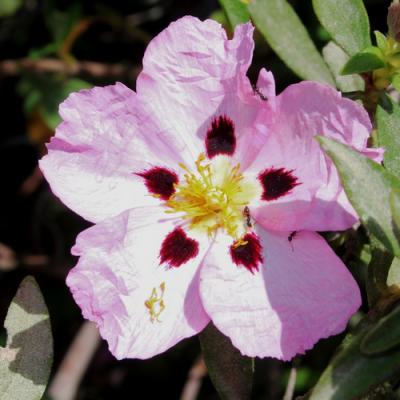
Broom's most natural companions in perfumery are other Mediterranean and garrigue materials. With lavender, it creates an archetype of the southern French countryside: the two plants grow in proximity on Provencal hillsides, and their aromatic profiles complement each other perfectly — lavender's cool, medicinal clarity contrasting with broom's warm, honeyed richness. With cistus and labdanum, broom gains a darker, more resinous dimension that grounds its sweetness and gives it the structural weight needed for an oriental or amber composition.
With rose, broom achieves a honeyed rose accord of great beauty — the rose's floral clarity supported and deepened by broom's wild, sweet richness. With musk, broom's animalic depth finds a natural home, the two materials sharing an organically intimate, bodily quality that makes compositions featuring both feel unusually close to the skin.
Wardrobe Context: Discovering Broom
Broom fragrances occupy a specific and rewarding position in the fragrance wardrobe: they are the choice of the knowledgeable, the adventurous, and those who want their fragrance to reflect a genuine relationship with the classical tradition of French perfumery. They are spring and early summer scents primarily — the broom flowers in late spring, and its character is perfectly calibrated to the season. They work well in outdoor and natural settings and carry a sense of place that urban or abstract fragrances cannot match.
For anyone building a collection that includes niche fragrances, a broom-forward composition is a discovery worth making — an ingredient that connects fragrance to landscape, to tradition, and to the wild beauty of Mediterranean hillsides in bloom. It is not the easiest note to find, but it rewards the search handsomely.