

Notes in Perfumery
Everything you’ve wanted to know about the individual notes that make up modern perfumery, explained one ingredient at a time. What oud actually smells like and why it became a luxury obsession. Why orris butter costs more than gold. The difference between Sambac and Grandiflorum jasmine. How synthetic musks rebuilt the clean-laundry register. Use these as the field guide that turns sampling from guesswork into a vocabulary — once you can name what you’re smelling, you choose better bottles.

What Do Aldehydes Smell Like?
Aldehydes transformed perfumery in 1921 with Chanel No. 5 and have anchored modern fragrance ever since. From C-10 to C-12 to vanillin, here's how the bright-sparkling family works.
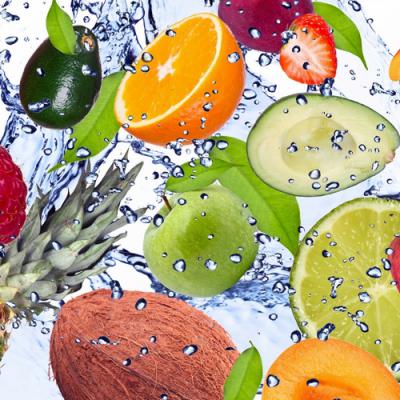
What Do Water Fruits Smell Like?
Water fruits — melon, watermelon, lychee, kiwi — bring transparent, sun-drenched freshness to modern perfumery. Discover their story, scent, and role in fragrance.
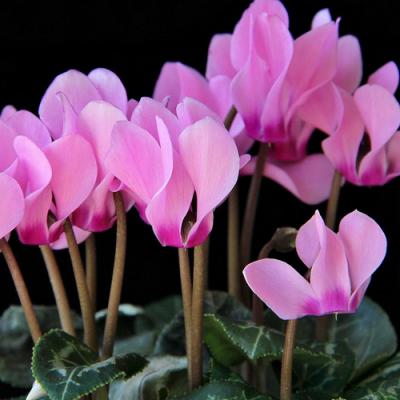
What Does Cyclamen Smell Like?
Cyclamen's fresh, watery-floral scent has shaped contemporary perfumery. Explore the flower's history, its synthetic reconstruction, and its most iconic uses.
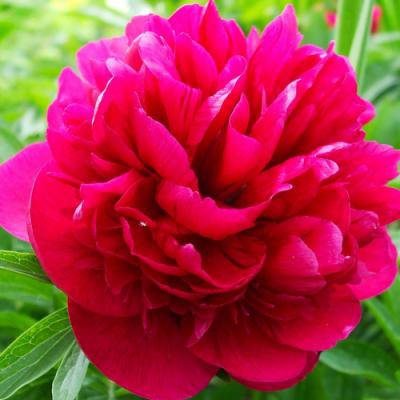
What Does Peony Smell Like?
Peony cannot be extracted from its petals, yet it defines a whole generation of feminine perfumery. Discover what it smells like and how perfumers recreate it.

What Does Cherry Smell Like?
From sweet pulp to delicate blossom, cherry in perfumery is a tale of molecules, memory, and the Japanese art of appreciating beauty in brief, fleeting moments.

What Does Rosemary Smell Like?
Discover rosemary in perfumery — its crisp, camphoraceous, green scent profile, long history in fragrance, key aromatic molecules, and the iconic perfumes that feature it.

What Does Myrtle Perfumery Smell Like?
Discover myrtle's green, herbaceous, slightly floral aroma, its Mediterranean roots, and the elegant role it plays in fresh and aromatic fragrances.

What Does Coumarin Smell Like?
Discover coumarin — the tonka bean-derived molecule that gives fougère and oriental fragrances their warm, hay-like sweetness. Found in 90% of perfumes.
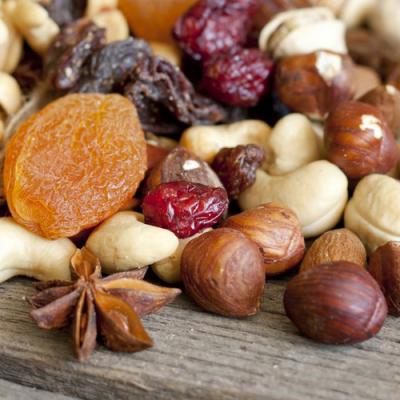
What Do Dried Fruits Smell Like?
Dried fruits — figs, dates, prunes, raisins — bring the warm, spiced richness of Oriental markets to fine fragrance. Discover their history, scent, and use in perfumery.
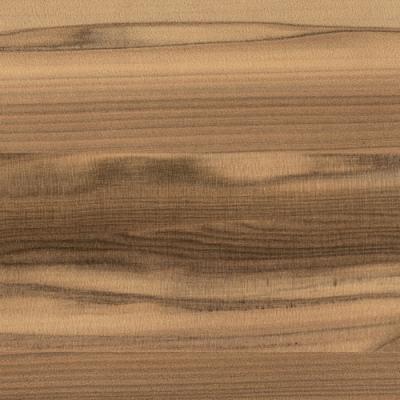
What Do Amber Woods Smell Like?
Explore amber woods in perfumery — how ambroxan, cedarwood, and synthetic musks create modern warmth, and why this accord drives so many of today's bestselling fragrances.
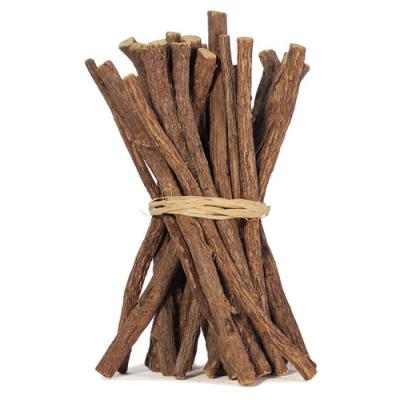
What Does Licorice Smell Like?
Licorice in perfumery delivers dark, anise-sweet complexity through anethole and anisaldehyde molecules. Explore its role in oriental and gourmand fragrances and its surprising versatility in blending.

What Does Syringa Smell Like?
Syringa (lilac) in perfumery offers cool, powdery floral sweetness built from terpineol and linalool. Learn about this beloved spring note's history, chemistry, and how to wear it beautifully.

What Does Sesame Smell Like?
Sesame in perfumery delivers warm, roasted nuttiness through pyrazine chemistry. Discover how this ancient cosmetic ingredient bridges gourmand and oriental fragrance traditions with cross-cultural depth.

What Does Linden Smell Like?
Linden blossom in perfumery delivers honeyed, dewy floral sweetness with a tea-like warmth. Explore how tilleul is reconstructed using linalool and honey molecules and which fragrances capture it best.
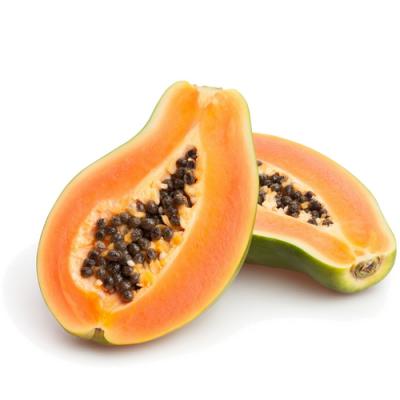
What Does Papaya Smell Like?
Discover how papaya's creamy, tropical sweetness is built using lactone molecules and why it's one of perfumery's most versatile yet underrated fruity notes.
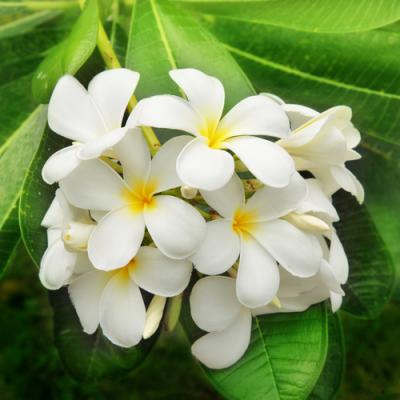
What Does Paradisone Smell Like?
Paradisone is a Firmenich molecule with a creamy, gardenia-like warmth that amplifies white florals. Learn how this powerful aroma chemical shapes modern perfumery.

What Does Rosewood Smell Like?
Explore rosewood in perfumery: its floral-woody-spicy aroma, history in fragrance, key linalool chemistry, sustainability challenges, famous fragrances, and modern alternatives.
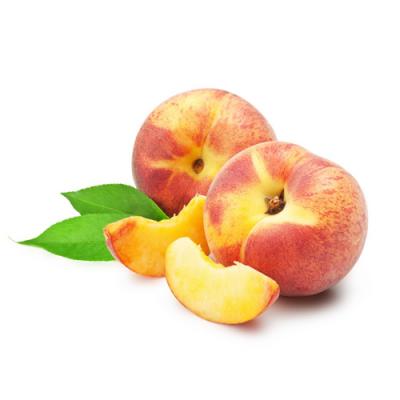
What Does Peach Smell Like?
Peach in perfumery delivers creamy warmth and velvety skin-like richness through lactone chemistry. Explore its history, key molecules, and role in classic and modern fragrances.
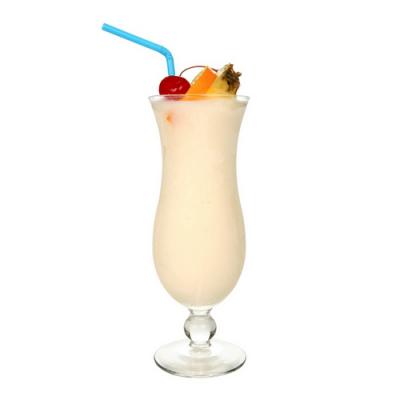
What Does Pina Colada Smell Like?
The piña colada accord in perfumery blends coconut lactones, pineapple esters, and rum to create joyful tropical warmth. Discover the chemistry and creativity behind this beloved accord.

What Does Pittosporum Smell Like?
Pittosporum's warm, honeyed white blossom sits between orange blossom and jasmine in perfumery. Explore this underrated botanical's scent profile, chemistry, and creative uses in fragrance.
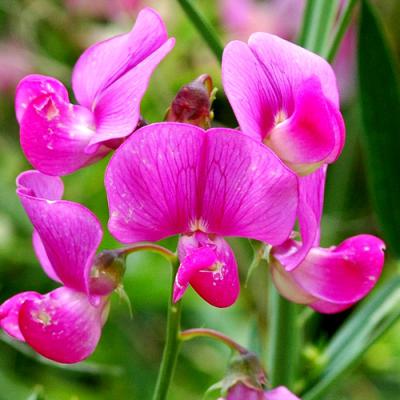
What Do Sweet Peas Smell Like?
Sweet pea in perfumery is a masterclass in reconstruction — the flower can't be extracted, so perfumers recreate its powdery, green-floral charm with molecules like phenyl ethyl alcohol and heliotropin.
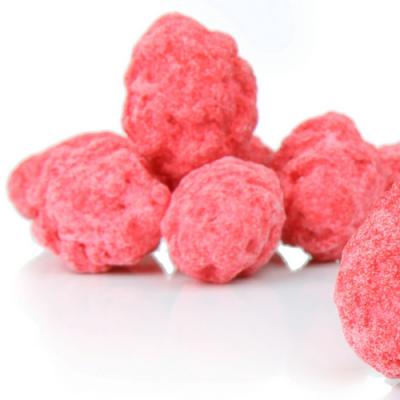
What Does Praline Smell Like?
Praline in perfumery combines caramelised sugar, toasted nuts, and butter into a defining gourmand note. Discover its chemistry, history, and role in La Vie Est Belle, Black Opium, and beyond.

What Does Prune Smell Like?
Prune in perfumery brings dark, jammy, wine-like sweetness built from damascenone and caramelised molecules. Discover its role in opulent oriental fragrances and how it interacts with amber and vanilla.
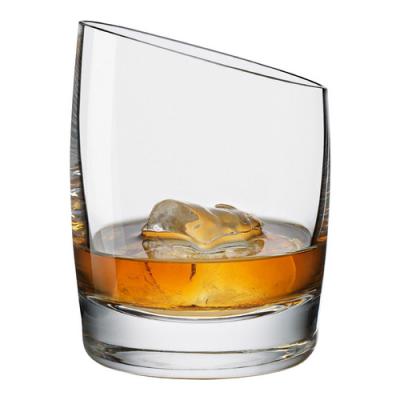
What Does Pure Malt Smell Like?
Pure malt in perfumery captures whisky's warm, grainy, barrel-aged complexity using maltol, vanillin, and oak molecules. Discover its cultural significance and role in masculine fragrance.