

Elemi in Perfumery: The Resin That Bridges Freshness and Depth
Elemi is a centrepiece of the modern gourmand family. Learn how perfumers use it, what it smells like on skin, and the fragrances that wear it best.
By Julia Moretti 6 min read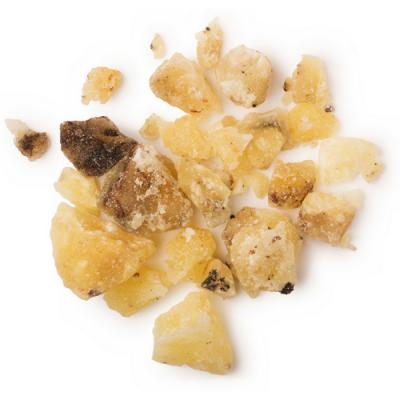
The Resin Most Perfumers Know and Few Can Name
Elemi is one of those perfumery ingredients that works in the shadows, contributing significantly to compositions without receiving much public credit. It is a resin, but not the kind of heavy, warm, honey-like resin that most consumers associate with the oriental fragrance family. Elemi is something more surprising: a resin with a distinctly fresh, citrus-spiced, slightly piney quality that bridges the woody-resinous and the fresh-aromatic families in a way that few other materials can.
This unusual position — as a resin that smells fresh rather than heavy — makes elemi particularly valuable in fragrance construction. It can add the depth and tenacity of resinous materials to compositions that want to remain bright and airy, serving as an invisible scaffolding that gives freshness persistence without weighing it down.
What Does Elemi Smell Like?
The scent of elemi resin is immediately surprising to those who expect something dark and balsamic. The first impression is bright, sharp, and slightly citric — there is a quality reminiscent of lemon zest or fresh lime peel, though with a more resinous undertone. Alongside this citric brightness sits a spicy, slightly peppery quality that adds energy and complexity. And beneath both of these facets lies the resinous depth that confirms its identity as a balsamic material rather than a citrus.
The overall impression is of clean, fresh resin — something like the inside of a freshly cut log of resinous wood, or the air in a forest after rain when the tree resins are releasing into the warm, humid air. It is simultaneously natural, slightly medicinal in a pleasant way, bright, and grounded.
In fragrance compositions, elemi typically functions as a quality-enhancer rather than a dominant character note. It adds what perfumers sometimes call a lift to woody, resinous, or spicy compositions — the quality of brightness that prevents a complex accord from feeling heavy or stagnant. A composition with elemi in its structure has a particular quality of airiness and forward movement that the same composition without it tends to lack.
Origins and Extraction
Elemi is the resin of Canarium luzonicum, a tall tree native to the Philippines. The resin exudes naturally from the trunk and is collected in a manner similar to other tropical resins like frankincense and myrrh. The Philippines is the primary commercial source of elemi for the fragrance industry, though related species grow across Southeast Asia and the Pacific.
The essential oil is obtained by steam distillation of the resin, producing a material with better workability and stability than the raw resin itself. Elemi oleoresin — a partially processed version retaining more of the resin's waxy compounds — is also used in fragrance, particularly in applications where greater longevity and fixative character are needed.
Elemi has a long history as a fragrance material. It was known to ancient Egypt and the classical Mediterranean world, used in incense and embalming preparations. Its use in European perfumery dates to at least the sixteenth century, when it appeared in medicinal and cosmetic preparations alongside other resins and balsams. This historical depth gives elemi a connection to the oldest traditions of aromatic practice.
Key Aroma Molecules
The fresh, citrus-like quality of elemi essential oil is primarily attributable to limonene and alpha-phellandrene, terpenic molecules that are also found in citrus oils and many fresh herbal materials. This is the molecular explanation for elemi's unusual character as a fresh-smelling resin: its dominant volatile molecules are of the same family as those that make citrus bright and energetic.
Elemicin, a phenylpropanoid compound, contributes the spicy, slightly anise-like facet that distinguishes elemi from purely citrus materials and gives it the resinous depth that prevents its freshness from being short-lived. Sabinene and terpinolene add further freshness and complexity. The combination of terpenic freshness with phenylpropanoid spice depth creates the dual character that makes elemi so useful as a bridging material in complex compositions.
The lower-volatility sesquiterpene fraction of elemi oil contributes to its tenacity and its fixative properties. This heavier fraction, while not the most aromatically prominent part of the oil, is important for the material's ability to extend the longevity of more volatile ingredients with which it is blended.
Elemi in Fragrance Composition
Elemi's dual nature — fresh terpenic top notes over resinous depth — means it can function effectively at multiple points in a fragrance's structure. As a top-heart note, its citrus-spice freshness contributes a distinctive quality of clean energy that differs from conventional citrus materials. As a heart-base transition note, its resinous depth provides grounding and fixation. It is this range of function that makes elemi a valuable all-purpose tool in the perfumer's palette.
The note is particularly well-suited to woody and incense-oriented compositions, where it adds brightness and lift without compromising the depth and gravity of the composition. A woody incense fragrance that includes elemi will typically feel more transparent and accessible than one that relies solely on heavier resinous materials, because elemi's terpenic freshness creates an opening in the composition's structure through which light seems to pass.
In masculine fragrances, elemi often appears alongside cedar, vetiver, and aromatic spices in compositions of restrained elegance. The combination of elemi's fresh-resinous character with these more conventional woody materials creates accords that are both modern in their freshness and substantial in their depth.
Famous Fragrances and Elemi
Elemi appears in a number of celebrated fragrances, typically as a supporting element that contributes to the overall quality of the composition without being obviously identifiable. Parfums de Marly Layton includes resinous materials in its complex, layered structure that create a similar bridging effect between fresh top notes and warm base notes that elemi is valued for.
Several of the great incense-oriented niche fragrances — Comme des Garçons Incense series, Diptyque's L'Ôbre dans l'Eau — use resins including elemi-related materials to create the quality of resinous freshness that defines their aesthetic. The ability of elemi and related resins to smell simultaneously ancient and fresh, ceremonial and alive, makes them ideal materials for the incense fragrance category.
In the niche fragrance sector more broadly, elemi has gained appreciation as part of the renewed interest in natural and traditional resinous materials. Its connection to ancient aromatic practices and its unusual aromatic character — so different from expectations — make it a note worth seeking out for fragrance enthusiasts interested in materials with genuine history and character.
Note Interactions
Elemi's fresh, spiced character creates natural affinities with a wide range of fragrance materials. With frankincense and other sacred resins, elemi creates a resin accord of complexity and depth that references ancient aromatic traditions while remaining fresh enough for modern fragrance use. The two resins share molecular territory — both contain significant amounts of limonene — while having different overall aromatic personalities, creating a complementary rather than redundant pairing.
With bergamot and other citrus materials, elemi's own citrus-like freshness creates a natural bridge. The citrus and elemi seem to belong together in the top-heart transition of a composition, with elemi providing the resinous depth that citrus oil alone cannot sustain. With patchouli, elemi's freshness creates an interesting counterpoint to patchouli's dark, camphoraceous earthiness, brightening the accord and preventing it from feeling too heavy.
Wardrobe Context
Fragrances in which elemi plays a significant role occupy a broad range of the wardrobe. The note's freshness makes elemi-accented compositions appropriate for daytime and professional wear; its resinous depth gives them the substance for evening and cool-weather use as well. This versatility is one of elemi's great virtues as a fragrance material.
For those interested in exploring the intersection of freshness and depth in perfumery — the territory where clean, airy compositions develop unexpected richness and substance — elemi provides a compelling entry point. It is a note that rewards attention, one of those ingredients that the more you understand, the more you notice and appreciate in the fragrances you love.