

Mint in Perfumery: Cool, Sharp, and Surprisingly Versatile
Menthol from Mentha piperita activates the TRPM8 cold-sensitive receptor in the nose and on skin, which is why peppermint physically cools the wearer in a way no other ingredient can.
By Julia Moretti 6 min read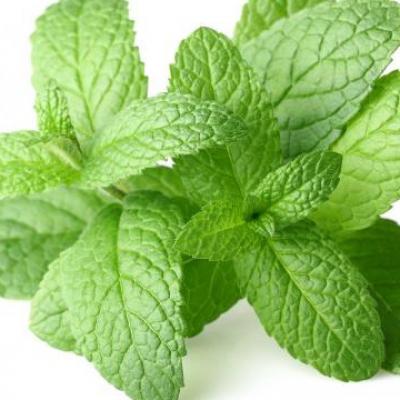
The Smell of Mint: More Than Simply Cool
Mint is one of the most immediately recognizable smells in the world, yet its role in fine perfumery is considerably more nuanced than its familiarity might suggest. The Mentha genus encompasses more than twenty species with widely varying aromatic profiles, from the icy, medicinal sharpness of peppermint (Mentha piperita) to the warmer, slightly fruity character of spearmint (Mentha spicata), the apple-like freshness of apple mint (Mentha suaveolens), and the more complex, slightly bitter character of pennyroyal (Mentha pulegium). In perfumery, these different species offer distinct possibilities: peppermint provides the greatest cooling power and most immediately recognizable mint impression, while spearmint offers a softer, sweeter alternative that integrates more easily into floral and oriental compositions.
The defining sensory experience of mint — the cooling effect — is not actually a smell in the conventional sense. Menthol, the primary aromatic compound in peppermint, activates the cold-sensitive TRPM8 receptor in the nose and on the skin, creating a cooling sensation that is entirely separate from olfaction. This physiological dimension of mint makes it unique among perfumery ingredients: it does not merely smell fresh, it physiologically creates a sensation of freshness and coolness that no other ingredient can replicate. This cooling effect is both mint's greatest asset and the source of its greatest challenge for perfumers — used well, it creates an almost physical sensation of refreshment; used clumsily, it produces something that smells more like toothpaste or analgesic than fine fragrance.
History of Mint in Perfumery
Mint has been used by human societies for aromatic, medicinal, and culinary purposes since prehistoric times. Ancient Egyptian tombs have yielded dried peppermint, and both Greeks and Romans used mint extensively in medicines, personal fragrances, and culinary preparations. Pliny the Elder wrote extensively about mint's medicinal and aromatic properties, describing its use in crowns, garlands, and scented preparations for banquets. In European herbal medicine through the medieval and early modern periods, mint was among the most valued and widely cultivated aromatic herbs.
In the history of modern fine perfumery, mint has appeared with relatively limited frequency as a primary note, largely due to the challenge of deploying its aggressive freshness in a way that reads as sophisticated rather than functional. The classical French perfumery tradition of the nineteenth and early twentieth centuries had little use for a note so redolent of pharmacy and confectionery. The development of the aromatic fougere tradition in the mid-twentieth century, however, created a space in which mint's sharp freshness could function as part of a broader herbal-aromatic accord, and its use in masculines grew accordingly.
The aquatic and fresh fragrance revolution of the 1990s created new opportunities for mint, whose cooling properties aligned perfectly with the decade's interest in marine and atmospheric freshness. Simultaneously, the emergence of aromatic masculines built on lavender, wood, and herb foundations gave mint a natural home. The contemporary niche scene has explored mint with increasing sophistication, pairing it with dark, unexpected materials to create deliberately paradoxical compositions that exploit the contrast between mint's clinical freshness and the warmth or darkness of their base notes.
Key Molecules and Extraction
Peppermint essential oil is produced by steam distillation of the fresh or partially dried aerial parts of Mentha piperita. It is one of the most commercially important essential oils in the world, with production centered in the United States (particularly Indiana and the Pacific Northwest), India, China, and Europe. The oil is a colorless to pale yellow mobile liquid with the characteristic sharp, intensely cool-fresh smell of fresh peppermint.
Menthol, the most important constituent of peppermint oil, typically represents 40 to 55 percent of the oil by weight. It is responsible for both the characteristic peppermint smell and the cooling physiological effect. Menthone, another major component, contributes a warm, slightly musty herbal character beneath the coolness. Menthyl acetate provides a slightly fruity, refreshing top note. Pulegone, particularly prevalent in pennyroyal and certain peppermint varieties, adds a bitter, slightly camphoraceous complexity. Carvone, the key odorant in spearmint, is structurally very similar to limonene and provides spearmint's characteristic sweeter, more rounded mint character. The specific ratio of these compounds determines whether a given mint material reads as sharp and medicinal (high menthol, high menthone) or soft and sweet (high carvone, low menthol).
Famous Fragrances Featuring Mint
Mint has been used to memorable effect in a number of influential fragrances. Creed's Bois du Portugal, a beloved aromatic masculine, uses mint as part of its complex herbal-lavender opening. Bulgari's Eau Parfumee au The Vert (Green Tea) incorporates a subtle mint-herbal quality alongside its central green tea accord. Jean-Paul Gaultier's Le Male uses spearmint in its opening to create a distinctive freshness before the lavender-vanilla heart is revealed — a combination that helped make the fragrance one of the most successful masculines of the late 1990s.
In more unusual territory, several niche houses have used mint in deliberately challenging contexts. Serge Lutens' Tubereuse Criminelle deploys a startling camphoraceous-mint opening — reminiscent of medicinal vapors — before revealing a deeply floral tuberose heart, a juxtaposition that is either unsettling or brilliantly memorable depending on the wearer's temperament. Frederic Malle's L'Eau d'Hiver uses a gentle mint-hay accord to create a quietly atmospheric freshness. For those interested in the broader family of aromatic herbal notes, our guide to lavender in perfumery covers mint's closest aromatic ally in the fougere family.
Contemporary masculine fragrances that draw on the fresh-aromatic tradition often include mint as a discreet but important element. Fragrances from Bleu de Chanel's fresh aromatic family owe something of their characteristic crispness to mint-adjacent materials in their opening accords. The broader men's fragrance collection contains numerous examples of how mint can be deployed to add freshness and vibrancy without dominance.
Note Interactions: Mint's Aromatic Partnerships
Mint's strong character means it tends to dominate rather than blend in compositions where it is present in large quantities. The skill of working with mint lies in using enough to provide its distinctive cooling freshness without overpowering the other elements of the composition. In smaller quantities, however, mint is a remarkably generous partner that adds energy and brightness to almost any context.
With lavender, mint creates the classic fresh-herbal accord at the heart of the fougere family. Both notes share an aromatic, slightly medicinal quality and a genuine freshness that makes their combination feel natural and cohesive. With bergamot, mint's coolness is complemented by the citrus's bitter-floral warmth, creating an accord that is simultaneously fresh and sophisticated. With pepper, mint creates a sharp, energetic opening of considerable vibrancy.
In unexpected combinations, mint has proven its versatility. Paired with dark base notes — oud, leather, tobacco — mint's cold sharpness creates a provocative contrast that some of the most adventurous niche compositions have exploited with great effect. With vanilla and sweet oriental notes, mint provides a refreshing counterpoint to sweetness, preventing compositions from becoming cloying. Chocolate and mint — the confectionery classic — translates to perfumery with equally satisfying results.
Mint in the Fragrance Wardrobe
Mint fragrances are natural warm-weather and athletic-use companions. Their cooling, refreshing character makes them ideal for summer mornings, post-exercise freshening, and active daytime wear in hot conditions. They project clearly and cleanly, making them suitable for situations where a definite olfactory presence is desired without heaviness. For professional environments where discretion is required, mint-accented fragrances — where the mint is used as a supporting rather than starring element — can provide the right combination of presence and restraint.
The most interesting mint fragrances, however, are those that use the note's cooling character against expectations — pairing it with warm, dark, or sweet base notes to create deliberate olfactory paradoxes that evolve unexpectedly over the course of a day's wear. These compositions offer the pleasure of surprise: fresh and sharp on application, they gradually reveal unexpected warmth and depth that transform the initial impression entirely. For adventurous wearers with an interest in the unexpected, mint in unusual contexts represents one of perfumery's most rewarding areas of exploration.