

Peach in Perfumery: The Soft, Velvety Note That Anchors Countless Classics
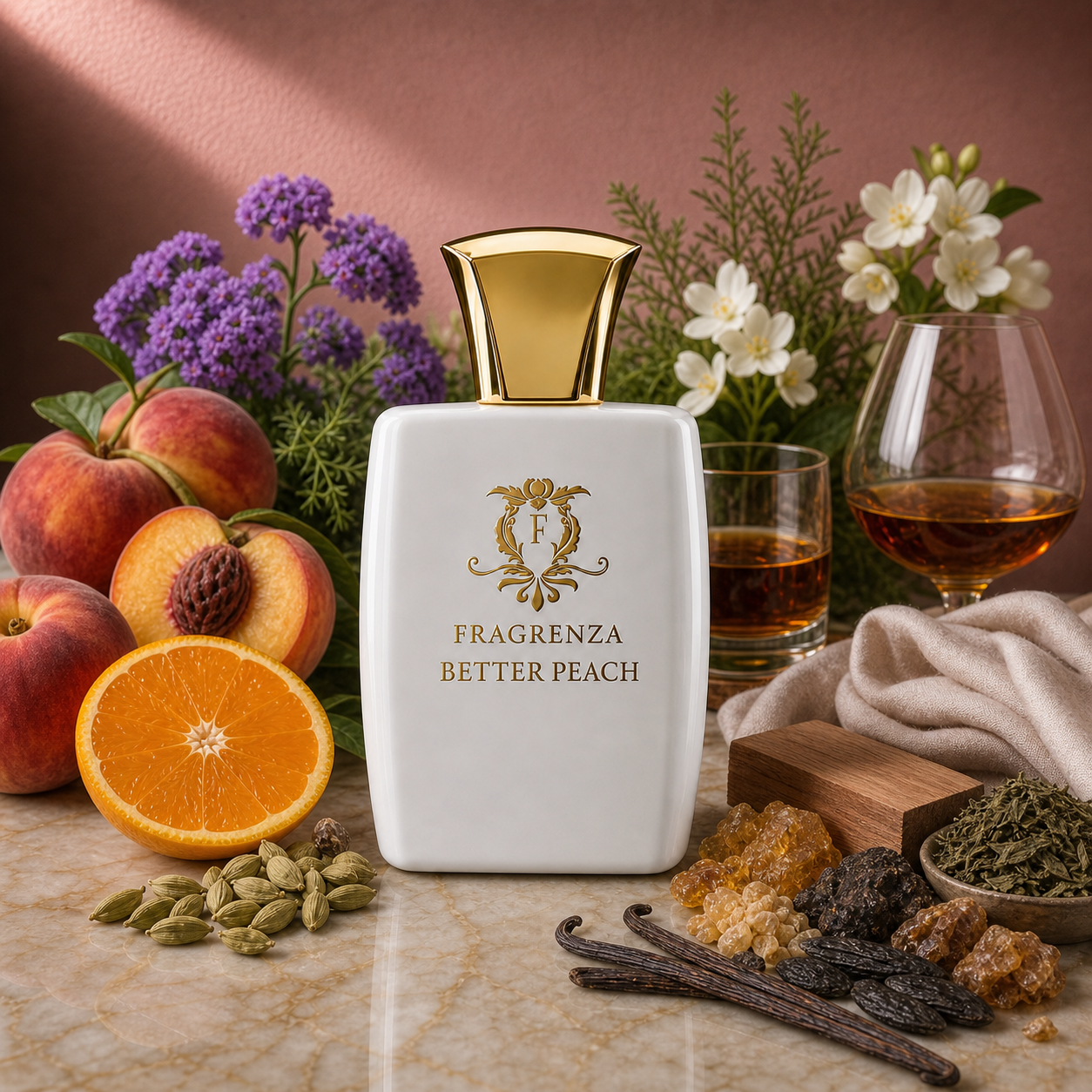
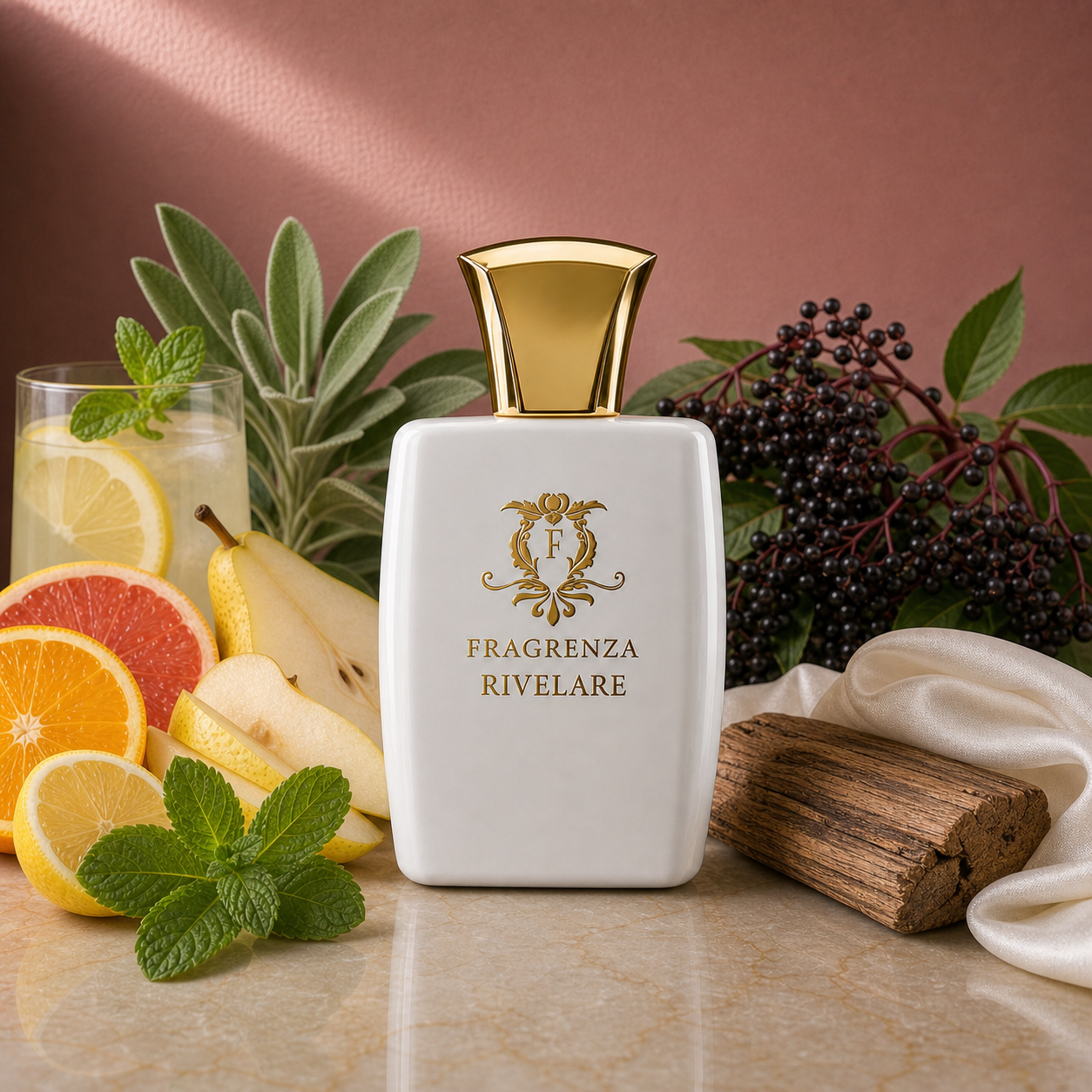
Peach is a juicy, peel-bright fruit: sun-jam opening, ripe-bright midsection, with a soft sugared echo through the dry-down.
By Julia Moretti 6 min read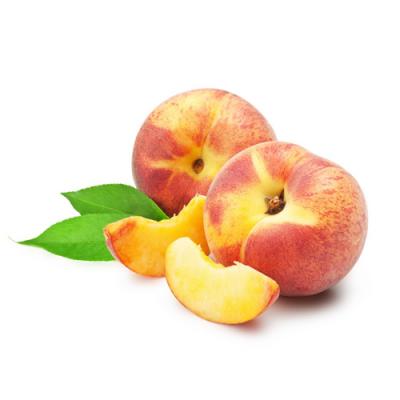
Peach is one of the most beloved and enduring notes in perfumery — a warm, velvety, sun-drenched fruit that has been central to fragrance making for well over a century. Unlike many fruit notes that function purely as bright, effervescent top-note accents, peach has a rare depth and richness that allows it to operate across an entire fragrance structure, from opening impression through to the lingering dry-down. It is at once instantly recognisable and endlessly versatile, and its presence in the perfumer's toolkit has only grown more sophisticated with time.
What Does Peach Smell Like in Fragrance?
The olfactory character of peach in perfumery is more complex than the fruit itself might suggest. At its core, peach brings warmth, a silky creaminess, and a characteristic skin-like quality that few other fruit notes possess. There is a sweet, slightly honeyed richness, a faint tartness that prevents the note from becoming saccharine, and — in the finest reconstructions — a faint green, slightly dusty quality that evokes the skin of the fruit itself, that velvety fuzz that feels almost tactile when you smell it.
This skin-adjacent warmth is what makes peach so valuable to perfumers working in the feminine register: it makes fragrance feel intimate, close, and personal. A well-constructed peach note doesn't just smell of fruit; it smells of warm, perfumed skin, of intimacy and sun-kissed sensuality. This is a quality shared with the best musk accords, which explains why the two ingredients have such a natural synergy.
The Chemistry of Peach: Lactones and Beyond
The chemistry behind peach notes in perfumery centres on a family of compounds called lactones — specifically gamma-undecalactone and delta-decalactone, which are the primary molecules responsible for peach's creamy, fruity character in nature. These cyclic esters are found in real peaches and can be isolated naturally, but they are more commonly synthesised for perfumery use due to the cost and consistency advantages of the synthetic route.
Gamma-undecalactone (also known as peach aldehyde, though it is not technically an aldehyde) is the single most recognisable peach molecule — creamy, rich, and slightly fatty, it reads immediately as ripe peach with a hint of coconut warmth. Delta-decalactone contributes the drier, more powdery aspect of the peach impression, evoking the dusty, slightly tannic quality of peach skin.
To these lactone foundations, perfumers add supporting materials: aldehyde C-14 (gamma-nonalactone, also known as the coconut aldehyde) amplifies the creamy quality; various rose ketones and ionones add a powdery, slightly floral dimension; and esters like ethyl butyrate and allyl caproate contribute the bright, fresh-fruit sharpness that makes a peach note feel genuinely juicy rather than merely creamy. The interplay between these molecules determines whether a peach note reads as fresh and lively, rich and ripe, or warm and skin-like.
Peach's Long History in Perfumery
Peach has been used in fragrance for remarkably long. In the era of classical French perfumery, peach facets appeared in chypre and aldehylic compositions where the fruit note added warmth and femininity to the otherwise austere woody-mossy structures. The golden age of oriental perfumery in the 1920s and 1930s brought peach into more prominent use, as perfumers explored richly warm, opulent compositions where fruit, flowers, and resins intertwined.
The 1970s and 1980s saw peach become a key element in the powdery-floral feminines that dominated department store counters. The note's natural affinity with rose, iris, and vanilla made it an essential ingredient in the warm, romantic, and reassuringly feminine fragrances of that era. Then the 1990s brought a swing toward fresh, aquatic, and citrus-dominant compositions, and peach briefly retreated — only to return in the 2000s as the fruity-floral genre exploded and lactone-rich accords became commercially dominant.
Today peach enjoys broader creative respect than at almost any previous point in its history. Niche perfumers use it as a primary note rather than a supporting character, and the sophisticated interplay between natural peach facets and modern synthetic lactones has never been more artfully explored.
Peach in Famous Fragrances
Peach appears across an extraordinary range of celebrated fragrances. Coco Mademoiselle by Chanel uses a bright, lively peach as part of its sparkling citrus-floral opening, where it adds warmth and a slightly fleshy quality that softens the sharpness of the orange and bergamot. The peach here is radiant rather than rich — it catches the light like facets of the fragrance's overall brilliance.
J'Adore by Dior features peach in a more opulent context, nestled within the fragrance's honeyed floral heart, where it contributes to the sense of warm abundance that makes the composition so luxuriously appealing. Similarly, Chance by Chanel uses peach as a warm, sensual modifier that gives the composition its velvet-smooth character.
In the niche world, several acclaimed houses have placed peach at the centre of dedicated compositions — exploring its interaction with leather, smoke, animalic ingredients, and rare woods in ways that transform the familiar fruit note into something altogether more complex and arresting. These explorations sit within the broader niche fragrance tradition of celebrating ingredients the mainstream overlooks.
How Peach Interacts with Other Notes
Peach is one of perfumery's most cooperative ingredients. Its natural affinity with rose is perhaps the most celebrated pairing in the tradition: the warmth of peach amplifies rose's honeyed facets while rose's complexity gives peach note an elegant floral context. This combination appears in hundreds of feminine compositions across a century of perfumery, and it continues to feel fresh in skilled hands.
Peach and jasmine create a more exotic, heady pairing — jasmine's indolic, almost animalic character meets peach's warm sweetness to produce something richer and more sensual than either ingredient alone. With iris, peach creates a powdery-fruity accord of great sophistication, the kind of thing that feels simultaneously retro and utterly contemporary. The combination of peach and iris was a cornerstone of the grande dame feminines of the 1980s and is experiencing a strong creative revival.
In woodier contexts, peach's lactone character softens the harshness of certain woods — particularly cedar and vetiver — introducing a warm fruity softness that makes these compositions more approachable. With sandalwood, peach creates an almost tactile impression of warm, smooth skin that is among the most pleasing effects in all of fragrance. In amber and oriental structures, peach adds a fruity opulence that amplifies the richness without introducing sharpness.
Wearing Peach Fragrances
The peach note's warmth and skin-affinity make it a genuine all-season ingredient, though it performs differently across the year. In spring and summer, fresh, lactone-bright peach compositions feel joyful and sun-soaked — perfect for daywear, casual socialising, and any setting where you want to smell clean, warm, and approachable. In autumn and winter, the creamier, richer expressions of peach — embedded in oriental bases with sandalwood, amber, and musks — feel luxurious and comforting.
Peach-forward fragrances are particularly effective as office and everyday wear precisely because of the note's non-threatening, universally appealing character. Unlike some fruit notes that can read as too young or too casual for professional contexts, peach's warmth and sophistication translate across settings with ease. The women's fragrance portfolio particularly showcases peach in its many moods, from light and airy to rich and opulent.
The Future of Peach in Perfumery
Far from being a dated or predictable note, peach in contemporary perfumery is being approached with renewed imagination. Perfumers are combining peach lactones with unusual partners — metallic notes, ozonic accords, bitter woods, and even animalic materials — to create peach portraits that challenge expectations. The note's chemistry is also being refined constantly, with new lactone molecules being developed that capture previously elusive aspects of the fresh-cut fruit, the slightly fermented quality of an overripe peach, or the elusive dusty-sweetness of dried peach.
Understanding peach's relationship with materials like raspberry and blackcurrant reveals how the broader world of fruit notes in perfumery creates layered, multidimensional accords when these ingredients collaborate. Peach remains one of the anchors of this tradition — familiar enough to comfort, complex enough to constantly surprise.