

The Rise of Smellmaxxing: Why Men Care About Fragrance
Smellmaxxing borrows the looksmaxxing and gymmaxxing vocabulary to frame fragrance as a learnable skill, expanding the men's category three to four times by adding seasonal rotation and layering.
By Julia MorettiFragrenza makes several of the alternatives featured in our guides — here’s how we test.
7 min read
Three years ago, "fragrance for men" meant one bottle on a bathroom shelf, used twice a year. In 2026, an entire corner of TikTok is teaching men how to think about scent the way they think about training, skincare, and grooming. They call it smellmaxxing — the same self-improvement vocabulary that gave us looksmaxxing and gymmaxxing, applied to how you smell. The audience is enormous. The buying behavior has changed completely.
This is not a niche trend. It is the most consequential shift in men's fragrance in a decade, and it is rewriting which scents sell, which categories grow, and which old assumptions are quietly being retired.
What smellmaxxing actually means
Strip the meme away and the term is straightforward. Smellmaxxing is the deliberate practice of optimizing how you smell — fragrance choice, application, layering, hygiene, scent rotation by occasion — as part of a broader self-presentation routine. The vocabulary is new. The behavior is not. What changed is the scale, the seriousness, and the willingness to talk about it.
The men's audience that historically bought one designer fragrance and called it a year is now buying three or four scents in different categories, splitting them by season and situation, and treating fragrance as a learnable skill rather than a default cologne aisle purchase. That shift alone has expanded the addressable category by something on the order of three to four times.
Why it broke through in 2026
Three currents converged. First, men's grooming and aesthetics content on TikTok matured past surface-level "looksmaxxing" tutorials into compounding routines — and fragrance was the obvious next category to bring under the same lens. Second, niche perfumery's quiet decade of building men's-friendly oud, woody, and gourmand-for-men ranges meant the products were already in market when the audience showed up looking for them. Third, the fall of the rigid masculine-feminine fragrance binary — driven by Gen Z and a wave of unisex launches — gave men permission to wear vanilla, rose, and creamy gourmands without it being a statement.
What you see on social is the visible part. The invisible part is a structural change in how the men's category is shopped: longer product research, more sample-pack purchases, more discovery of inspired and niche-style perfumery, and far less brand loyalty to the old designer monoliths.
What smellmaxxing actually looks like
A scent wardrobe, not a signature
The single signature scent is fading. The replacement is a small wardrobe — typically three to five fragrances split across categories like fresh, woody, gourmand, oud, and an evening or special-occasion bottle. Each one is matched to a season, a situation, or a mood. The wardrobe approach is the entry-level smellmaxxing move and the one with the highest payoff. We've covered the architecture in detail in our fragrance wardrobe guide for 2026.
Layering as a baseline skill
The audience is fluent in layering in a way the men's market has never been. Unscented body wash plus a base scent on the chest plus a different scent on the neck is a routine prescription. Pairing rules — woody plus vanilla, oud plus rose, fresh plus skin musk — get traded in comments and treated as reproducible knowledge. Our guide to layering like a perfumer walks through the technique end to end.
Performance literacy
Words like sillage, projection, longevity, dry-down, and base notes are now used correctly by people who would not have known them five years ago. Extrait de parfum has gone from a niche oddity to the format of choice for anyone serious about wearing one bottle all day. We covered the format shift in why extrait is suddenly everywhere.
Skin scents and clean aura
The other surprising flank of smellmaxxing is the skin-scent category. The 2010s assumption that men's fragrance had to project loud has flipped. Soft, intimate, second-skin compositions built on musk, ambroxan, and Iso E Super are now the prestige choice for daytime wear. The new idea of smelling expensive is smelling clean, close, and unmissable up close. See skin scents 2.0 for the full breakdown.
Categories that have grown the most
Four categories have benefited disproportionately from the shift. Modern oud — the green, refined, vanilla-tinted style rather than the heavy traditional oud — has become the default men's "upgrade" buy. Gourmand-for-men, especially vanilla, caramel, and coffee compositions framed with darker bases, has crossed over completely. Fresh aromatic and mossy compositions — the new fougère wave — have replaced the tired aquatic blue category. And the skin-scent slot in the wardrobe has gone from optional to mandatory.
What the wardrobe looks like in practice
A smellmaxxing wardrobe usually maps onto a small set of slots. A fresh daytime scent for office and warm weather. A gourmand or warm woody scent for cooler weather and evenings. An oud or dark composition for going out. A skin-scent option for low-key days and close-quarters wear. Optionally, a fifth bottle for a specific season or special occasion. Most of the work is making sure the slots are filled and the bottles are different enough from each other that wearing them in rotation actually changes how you read across a week.
Fragrenza Picks
Four scents that cover the most-needed slots in a starter smellmaxxing wardrobe. Each one is in a different category, so wearing all four in rotation gives you genuine range rather than four versions of the same scent.
The modern oud slot

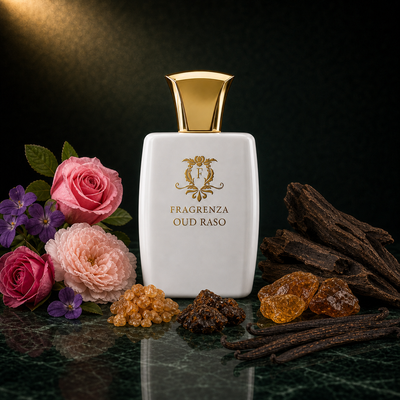
The dark glamour slot
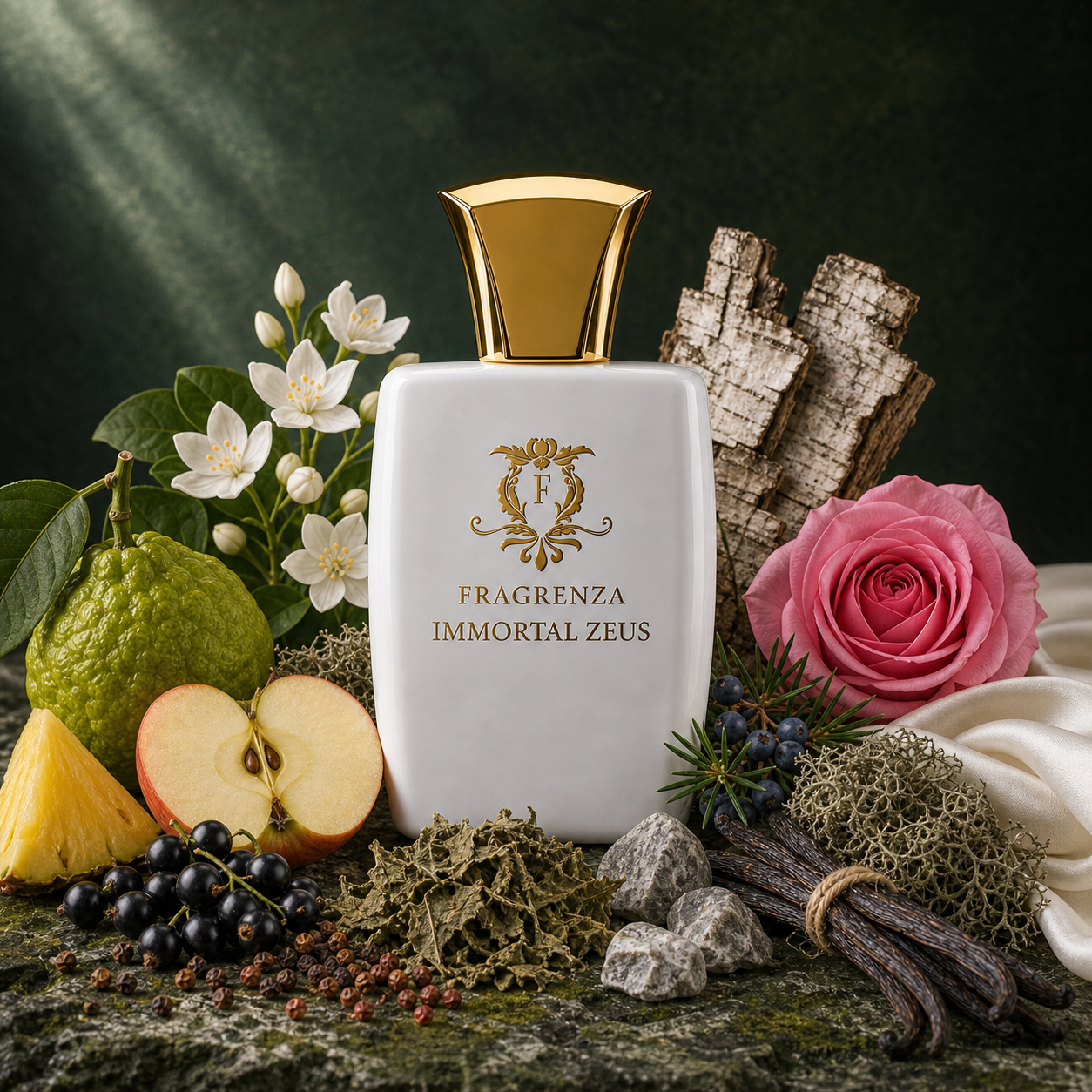
is the going-out scent. Rose-oud built on a deep satiny base — confident, evening-leaning, and the kind of perfume that gets noticed at close range without shouting at a room.
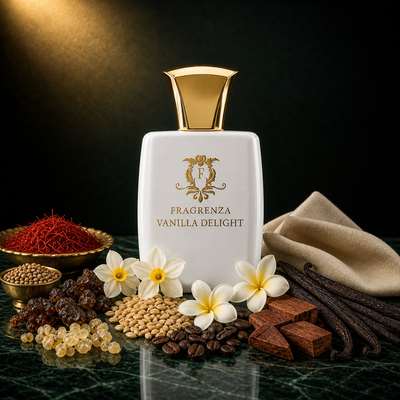
The gourmand-for-men slot
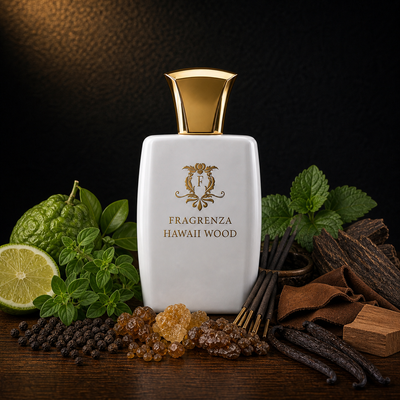
The smoky-woods slot
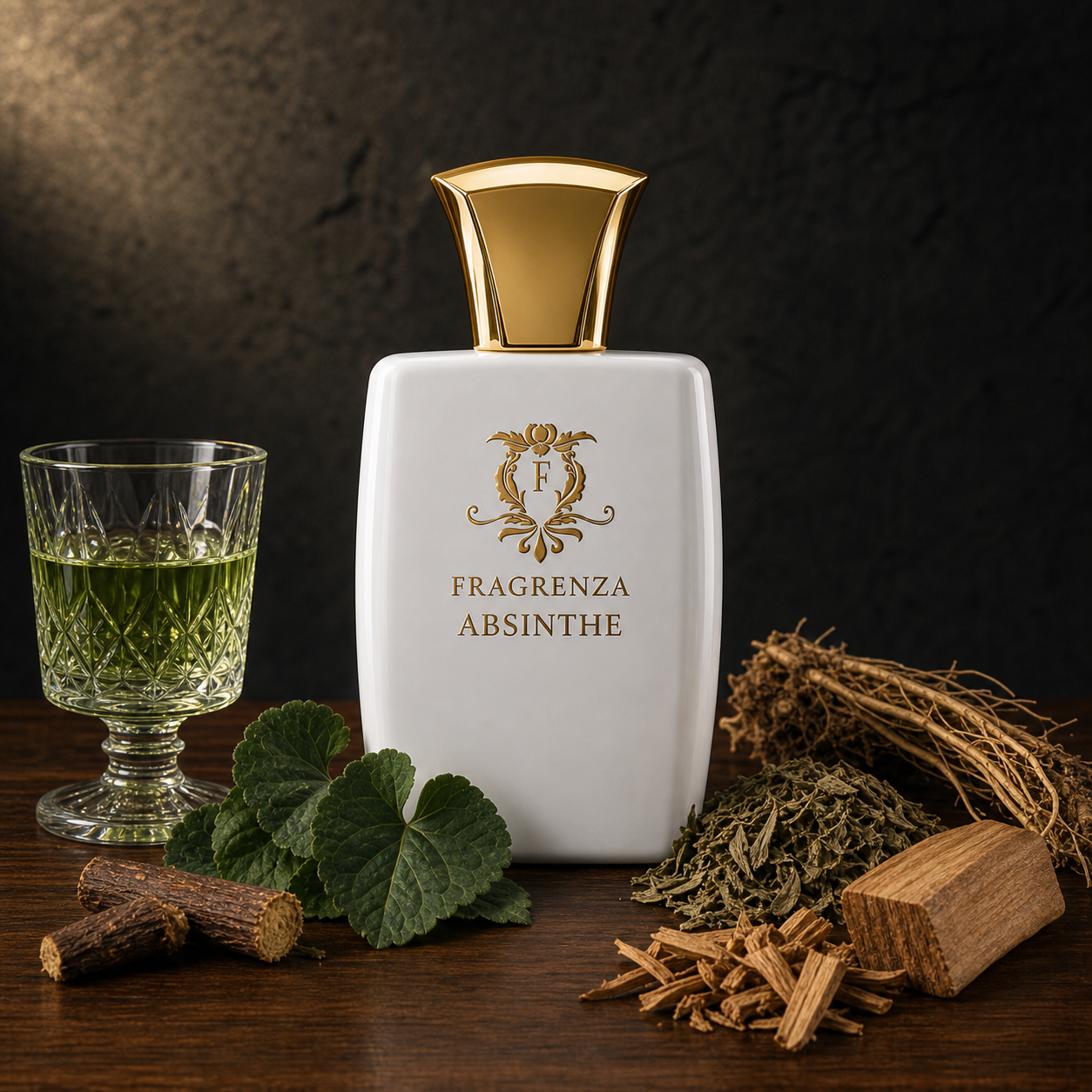
is the answer for anyone who wants depth without going gourmand. Smoky woods, incense, and a quiet oud give it the kind of room presence that reads as distinctive rather than loud.
How to start
If you are new to this, the most efficient first move is not to buy a fragrance at all. It is to buy a sample pack and wear three or four scents over two weeks before committing. The other useful starter discipline is to nail the basics — hygiene, fragrance-free moisturizer underneath, application points on heat zones, restraint on sprays — before optimizing anything else. The largest performance gains are in application, not in the bottle. Our guide to making perfume last all day without reapplying covers the technique.
Related reads
- The biggest perfume trends of 2026
- How to build a fragrance wardrobe in 2026
- How to layer fragrances like a perfumer
- Skin scents 2.0
- Why extrait de parfum is suddenly everywhere
FAQ
What does smellmaxxing mean?
Smellmaxxing is the deliberate optimization of how you smell — choosing scents by occasion, learning to layer, paying attention to application and longevity, and treating fragrance as a self-presentation skill rather than an afterthought. The term originated on TikTok as part of the broader "maxxing" self-improvement vocabulary, but the underlying behavior is just thoughtful, intentional fragrance use.
How do I start a fragrance wardrobe as a beginner?
Start with three slots: a fresh daytime scent, a warmer evening or cooler-weather scent, and a slightly bolder going-out scent. Buy a sample pack to test before committing to full bottles. Aim for three different categories rather than three similar scents. The full method, with category recommendations and sequencing, is in our 2026 fragrance wardrobe guide.
What perfumes do men actually wear in 2026?
Modern oud, vanilla and gourmand compositions framed for men, fresh aromatic and mossy fougères, and soft skin scents built on musk and ambroxan. The aquatic blue category that dominated the 2010s has largely been replaced. The unifying thread is wearable, refined, and noticeable up close rather than across a room.
How many sprays should I apply?
Two to four sprays for an eau de parfum is the working range. One on each side of the neck and one or two on the chest is the standard distribution. Extrait concentration usually needs less — one or two dabs total. Over-spraying is the most common cause of fragrance reading as cheap or overwhelming, regardless of how good the perfume is.
Are gourmand and sweet perfumes okay for men?
Yes, completely — and this is one of the bigger shifts in 2026 men's fragrance. Vanilla, caramel, coffee, and pistachio gourmands paired with woody or oud bases sit firmly in masculine territory and are some of the fastest-growing categories in men's perfumery. The old "men only wear fresh or smoky" rule is over.
How long should it take to build a wardrobe?
Six to twelve months is realistic. Adding bottles too quickly often means buying duplicates of scents you already own or overlapping categories. Sample sets, two-week wear tests, and one or two full-bottle purchases per quarter is a sensible cadence. Smellmaxxing is a long game, not a haul.
Where this is going
Smellmaxxing as a meme will pass. The behavior change underneath it will not. A generation of men is now treating fragrance with the same seriousness they bring to fitness, skincare, and style — and the men's category is reorganizing itself around that. The brands that win the next decade are the ones that take the audience at its word: that they want range, education, performance, and credible recommendations, not another bottle of blue.