

Kiwi in Perfumery: The Sharp, Sparkling Green Fruit Note Explained
Kiwi reads as a jam-warm, sun-ripe fruit: bright on opening, juiced through the heart, settling into a quiet sugared base.
By Julia Moretti 7 min read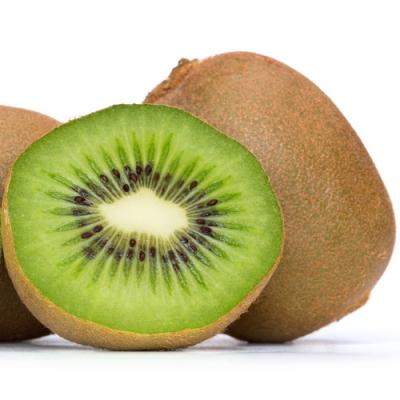
The Kiwi Note: A Modern Fragrance Invention
Kiwi is not an ingredient you will find in a perfumer's organ in its natural form. The kiwi fruit does not yield an essential oil, absolute, or extract suitable for use in fine fragrance. Like so many of the bright, vivid fruit notes that populate contemporary perfumery — from mango to watermelon to passion fruit — kiwi is a synthetic construction, built from a palette of captive aromatic molecules that collectively evoke the impression of the fruit without any direct connection to the plant itself.
This does not make kiwi any less compelling as a fragrance ingredient. The perfumer's art has always involved reconstruction and interpretation as much as direct extraction, and the synthetic kiwi note is a fine example of how skilled chemists and perfumers can capture not just the smell of a fruit but its entire sensory character — the tart brightness, the slightly green edge, the watery sweetness beneath.
What Does Kiwi Smell Like in Fragrance?
Kiwi as a fragrance note occupies a distinctive territory. It is sharper and more acidic than most fruit notes — less syrupy than peach or apricot, less candy-like than strawberry or raspberry. The kiwi note in perfumery typically presents a combination of crisp green tartness, a faint floral nuance reminiscent of the fruit's interior, and a clean, watery freshness that makes it feel immediately vivid and alive.
The tartness of kiwi is one of its most useful characteristics in fragrance construction. Where sweeter fruits can quickly tip a composition into gourmand or confectionery territory, kiwi's inherent acidity provides a natural counterweight — giving freshness, lift, and a sense of movement without sweetness. It reads as energetic and modern rather than lush or romantic.
Underneath the tartness there is a softer dimension: the flesh of a ripe kiwi carries subtle tropical nuances, a faint melon-like quality, and a clean sweetness that, when captured in a fragrance accord, gives the note genuine complexity. The finest kiwi accords manage to suggest the whole fruit — skin, flesh, and seeds — rather than reducing it to a single flavour-like impression.
The Chemistry of Synthetic Kiwi
Perfumers building a kiwi accord typically work with a combination of materials to capture the fruit's multi-dimensional character. Key components include various esters that provide fruity, clean sweetness — materials like ethyl acetate and related compounds contribute the bright, slightly solvent-edged freshness found in the actual fruit. Green notes, including certain violet leaf materials and cucumber-type molecules, are used to create the characteristic green freshness associated with kiwi's edgy, slightly unripe quality.
Certain lactones — cyclic esters responsible for many peach and tropical fruit impressions in perfumery — contribute a rounded sweetness beneath the tart green notes, preventing the accord from reading as too harsh or one-dimensional. Aldehyde-adjacent materials can add a watery, melon-like quality that recalls the inside of a ripe kiwi fruit, while small quantities of floral materials help bridge the fruit note smoothly into the rest of the composition.
The balance between green sharpness and sweet depth is what separates an excellent kiwi accord from a flat, flavour-like approximation. The best synthetic kiwi notes feel genuinely multi-faceted — tart and fresh on first impression, then softening into something warmer and more nuanced as they develop on skin.
Kiwi in the History of Fruity Fragrance
The rise of fruit notes in fine fragrance is largely a story of the 1980s and 1990s. As synthetic chemistry gave perfumers access to an ever-expanding palette of ester and lactone materials, the fruity floral became one of the dominant fragrance families of the era. Peach, blackcurrant, and raspberry led the way, followed by a wave of more exotic fruit notes — mango, guava, lychee, and kiwi among them.
Kiwi arrived somewhat later in the fragrance mainstream, finding its footing in the 1990s and early 2000s when the taste for clean, fresh, vivid fruit notes was at its peak. Its tartness and green energy made it a natural fit for the light, transparent style of fragrance that dominated that era — compositions that aimed for freshness and wearability above all else.
The fruity floral category, which remains one of the most commercially successful fragrance families today, is the natural home of kiwi. Brands building fragrances for the floral-fruity market found kiwi useful precisely because it offered something different from the sweeter, more conventional fruit notes: a tart, lively energy that kept compositions feeling bright and contemporary.
Famous Fragrances Featuring the Kiwi Note
Kiwi tends to appear in fragrance compositions as a supporting note rather than a centrepiece — its tartness and acidity make it more useful as a modifier and freshener than as a primary accord. It often appears in the top notes of light florals and fruity compositions, where its vivid green character provides an engaging opening before giving way to softer floral or woody hearts.
In the broader women's fragrance landscape, kiwi appears in numerous fresh floral compositions as a top note that enlivens and sharpens an otherwise conventional floral opening. Fragrances built around watery florals, particularly those featuring lily, peony, or light rose accords, often benefit from a kiwi note that prevents the opening from feeling bland or overly sweet.
The tart freshness of kiwi also makes it a useful partner for citrus notes. When combined with grapefruit or yuzu, kiwi adds a green, slightly exotic dimension that elevates a standard citrus opening into something more complex and interesting. Together they create a category of fresh tartness that feels more three-dimensional than either ingredient alone.
How Kiwi Interacts With Other Notes
Kiwi's most successful pairings in perfumery tend to fall into a few recurring patterns. With white floral notes — particularly lily, magnolia, and freesia — kiwi provides a tart counterpoint that prevents the flowers from becoming heavy or cloying. The fruit's acidity acts as a natural brightener, ensuring the floral heart reads as fresh and contemporary rather than traditional or powdery.
With aquatic and green notes, kiwi integrates easily, sharing their freshness and transparency while adding a fruit dimension that gives the composition more warmth and approachability. The combination of kiwi and cucumber or green melon notes creates a particularly vivid aquatic-fruity impression that works beautifully in warm-weather fragrances.
In the base, kiwi typically fades rather than persisting — it is not a long-lasting material by nature, which is why it works best as a top note. Its role is to create an immediate, vivid first impression that sets the tone for a fresher, brighter composition beneath. Woody and musky bases benefit from kiwi's opening energy without needing the note to persist throughout the fragrance's life on skin.
Kiwi also pairs surprisingly well with rose, particularly in fresh or dewy rose accords where the tart fruit note amplifies the natural acidity of rose petals and adds a sense of modernity. The combination is popular in contemporary feminine fragrances that aim to update the traditional rose accord for younger consumers.
Kiwi Versus Other Fruit Notes
Understanding kiwi's place in the fragrance palette means understanding how it differs from the fruit notes around it. Compared to passion fruit, kiwi is greener, crisper, and less tropical in character — passion fruit brings warmth and exoticism that kiwi lacks, while kiwi brings a tartness and green edge that passion fruit does not possess. Together, these two notes create a convincing tropical fruit accord that neither achieves alone.
Compared to pear, kiwi is sharper, less smooth, and more energetic. Pear in perfumery tends toward a soft, ripe, slightly floral sweetness; kiwi is more assertive, more acidic, and more immediately vivid. Compared to raspberry, kiwi is less sweet, less red-fruity, and more distinctly green. Where raspberry brings warmth and sensuality, kiwi brings freshness and energy.
This places kiwi in a specific niche within the fruit palette: it is the cool, sharp, green-fruity option that brings freshness and acidity to compositions that might otherwise lean too sweet or conventional. It is an ingredient of modernity and brightness.
Wearing Kiwi: When and How
Fragrances prominently featuring kiwi are ideally suited to warm weather, active lifestyles, and contexts where freshness and energy are priorities. Their bright, tart character makes them excellent morning and daytime fragrances — energising rather than soporific, lively rather than heavy.
The fresh, green-fruity aesthetic that kiwi represents fits naturally into any modern fragrance wardrobe as the lighter, brighter end of the spectrum. These are not fragrances for winter evenings or formal occasions where richness and depth are called for; they excel in spring and summer, in casual and professional daytime contexts, and wherever a fragrance is expected to project energy and freshness rather than warmth and seduction.
For those building a varied fragrance wardrobe, a kiwi-forward fragrance serves as an excellent counterpoint to richer oriental or woody fragrances. Its lightness and tartness provide the kind of olfactory contrast that makes both ends of the wardrobe feel more intentional and expressive.
The Lasting Appeal of a Tart Green Spark
Kiwi may never be perfumery's most celebrated ingredient — it lacks the history of rose, the mystique of oud, or the romantic associations of jasmine. But as a supporting player in modern fragrance construction, it is remarkably effective. Its tartness brightens, its green edge freshens, and its subtle complexity rewards attention.
In a fragrance landscape saturated with sweetness, kiwi's willingness to stay sharp and tart is itself a kind of distinction. It is the note that keeps a composition honest, prevents indulgence from tipping into excess, and reminds the wearer that freshness is its own form of luxury.