

Lychee in Perfumery: The Exotic Floral Fruit That Defined a Generation of Feminines
Lychee reads as a jam-warm, sun-ripe fruit: bright on opening, juiced through the heart, settling into a quiet sugared base.
By Julia Moretti 7 min read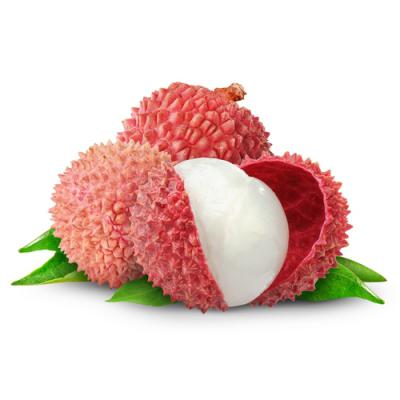
The Lychee Note: An Exotic Staple of Modern Feminines
Of all the exotic fruit notes that flooded into mainstream perfumery during the 1990s and 2000s, none found its footing quite as firmly or as permanently as lychee. This small subtropical fruit from Southern China, with its pale translucent flesh and delicate, floral-sweet aroma, turned out to be ideally suited to the aesthetic preferences of a generation of fragrance wearers who wanted something simultaneously fruity and floral, exotic and familiar, light and luxurious.
Lychee's success in perfumery is not accidental. The fruit's natural smell profile overlaps remarkably with that of rose — both share certain aromatic compounds that create a sense of sweet, slightly mineral floral richness — which means that lychee accords blend seamlessly into the floral hearts that define mainstream feminine fragrance. Far from being an exotic intrusion, lychee in perfumery feels like a natural extension of the floral vocabulary, adding freshness and modernity to a tradition that might otherwise risk feeling conventional.
What Does Lychee Smell Like?
Fresh lychee fruit possesses one of the most distinctive aromas in the fruit world. It is sweet but not cloying — a clean, delicate sweetness without the syrupy weight of overripe tropical fruit. Beneath the sweetness there is a distinct floral quality, particularly reminiscent of rose: a slightly mineral, almost metallic elegance that gives lychee its characteristic refined character.
There is also a faint green freshness to lychee — the smell of the fruit's slight astringency and crisp texture — and a very subtle aquatic quality that makes it feel both cool and bright. When you peel a fresh lychee, the burst of aroma is immediately recognisable: sweet, rosy, slightly watery, refreshingly clean. It is a smell that feels simultaneously exotic and accessible, which is precisely what has made it so successful in mass-market fragrance.
In perfumery, lychee is typically rendered as a note that emphasises its sweet-floral-rosy character, sometimes playing up its coolness and delicacy, sometimes leaning into its more tropical, fruity dimension. The finest lychee accords capture the fresh complexity of the actual fruit; the most simplified versions read more as a sweet, rosy confectionery note without much depth.
The Chemistry of the Lychee Note
The aroma chemistry of lychee is dominated by a group of compounds called rose oxides and related terpene alcohols. These materials — which are also present in rose petals and geranium — are responsible for the distinctive rosy-metallic freshness that gives lychee its characteristic character. This chemical overlap between lychee and rose is the scientific basis for their extraordinary compatibility in fragrance blending.
Geraniol and citronellol, two terpene alcohols fundamental to rose's smell, both appear in lychee's aroma profile. Certain lactones contribute the fruit's sweetness and roundness, while light, clean esters provide freshness and translucence. Some synthetic lychee accords also make use of specific materials developed specifically for lychee-type effects — compounds with names like litchi cyclene that have been designed to capture the fruit's most distinctive facets.
The result of these components in combination is a material that smells convincingly like fresh lychee while remaining stable, blendable, and effective at normal fragrance concentrations. The best synthetic lychee accords are remarkably faithful to the actual fruit, preserving its delicate balance of sweet, rosy, and slightly aquatic qualities.
Lychee in Fragrance History: A 1990s Revolution
Lychee's arrival in mainstream Western perfumery coincided with a broader wave of interest in Asian ingredients and aesthetics that swept through the fragrance industry in the 1990s. As globalisation opened new markets and new cultural references, perfumers began incorporating ingredients that felt simultaneously exotic to Western consumers and genuinely beautiful in their aromatic complexity.
The timing was perfect. The 1990s were a decade in love with freshness, transparency, and light — the aquatic revolution of the early decade had established a new aesthetic of clean, airy fragrance that was gradually being replaced by something warmer and fruitier as the decade progressed. Lychee, with its delicate floral-fruit sweetness and cool freshness, bridged both aesthetics perfectly. It was fresh enough to satisfy the decade's hunger for lightness, sweet enough to provide the warmth and approachability that consumers craved, and exotic enough to feel genuinely new and interesting.
The result was a wave of lychee-prominent fragrances that defined the feminine fragrance market through the late 1990s and 2000s. These compositions — light, floral-fruity, sweet without being heavy — became the template for commercial feminine fragrance in the twenty-first century, and lychee's contribution to that aesthetic has been central and lasting.
Famous Fragrances Featuring Lychee
Lychee appears prominently in some of the most celebrated and commercially successful feminine fragrances of the past thirty years. Cacharel's Amor Amor, launched in 2003, used a vivid lychee-raspberry opening to create the kind of fresh, fruity tartness that defined youthful femininity in the mid-2000s. Issey Miyake's A Rose en Rose incorporated lychee as a key element of its soft, rosy freshness.
Perhaps the most celebrated lychee fragrance of the modern era is Guerlain's Insolence, where a lychee-violet accord creates an opening of extraordinary beauty — simultaneously sweet, floral, and slightly sharp. The combination of lychee's rosy sweetness with the violet's powdery depth produces an accord that has become a modern classic.
In the contemporary designer fragrance market, lychee continues to appear regularly, particularly in the lighter, fresher end of the women's fragrance spectrum. Fragrances like Versace Bright Crystal capture the delicate, rosy-fruity lightness that lychee does so well, while Chanel Chance uses similar floral-fresh fruit accords to achieve its characteristic sense of light, modern elegance.
How Lychee Interacts With Other Notes
Lychee's single greatest strength as a blending material is its almost universal compatibility with floral notes. The chemical overlap between lychee and rose means that the two create an extraordinarily seamless accord — lychee amplifies rose's fresh, sweet facets while rose gives lychee depth and sophistication. This combination is perhaps the most successful and frequently used fruit-floral pairing in contemporary fine fragrance.
With rose, lychee creates a fragrance accord of exceptional beauty. The fruit's sweetness amplifies the rose's warm, honeyed facets while its freshness prevents the composition from becoming heavy. With jasmine, lychee provides a cooling, fresh counterpoint to jasmine's rich indolic depth, creating a combination that feels simultaneously lush and bright. With lily, lychee's sweetness and freshness complement the flower's clean, watery character beautifully.
Lychee also works effectively with lighter, greener notes. Combined with pear, it creates a soft, clean fruit accord of great elegance. With green tea notes, its delicate sweetness provides warmth without heaviness. With white musk, lychee creates a clean, sweet, skin-adjacent effect that defines a certain kind of modern feminine signature.
In base notes, lychee tends to fade as the fragrance develops — it is primarily a top and heart note material — but its impression lingers in the sweetness and freshness it imparts to everything around it. Sandalwood and cashmeran bases particularly benefit from lychee's ability to keep them feeling light and fresh rather than heavy or overly woody.
Lychee in the Context of the Floral-Fruity Family
The floral-fruity fragrance family — of which lychee is one of the defining ingredients — is arguably the most commercially successful fragrance category of the twenty-first century. These compositions, which combine sweet fruit notes with floral hearts and light woody or musky bases, represent the mainstream of contemporary feminine perfumery.
Within this family, lychee occupies a particularly elegant position. Unlike the bolder, more assertive fruit notes — blackcurrant, raspberry, or strawberry — lychee is inherently refined and delicate. It adds sweetness without loudness, freshness without sharpness, and a subtle floral dimension that naturally bridges the fruit and flower elements of a composition. This refinement makes lychee especially effective in premium and luxury contexts, where a fruit note needs to feel sophisticated rather than casual.
Wardrobe and Wearing Context
Fragrances built around lychee are at their most compelling in warm-weather contexts and daytime wear. Their freshness and delicacy make them ideal for spring and summer, for professional environments where a fragrance should enhance without overwhelming, and for occasions where a light, approachable femininity is the desired impression.
The sweet, rosy character of lychee fragrances also makes them effective in the evening in lighter concentrations — as an eau de toilette rather than a parfum, they can create a subtle, appealing sillage without becoming heavy or cloying. They are genuinely versatile fragrances, suited to a wide range of wearers and occasions.
Lychee's enduring appeal in the fragrance market is a testament to how well it captures a particular kind of beauty: delicate, fresh, sweet, and faintly exotic. In a category as crowded and competitive as feminine fragrance, lychee has earned its place as one of the defining notes of contemporary perfumery.