

What Does Patchouli Smell Like? The Dark, Earthy Note Behind the World's Greatest Fragrances
By The Fragrenza Team 6 min read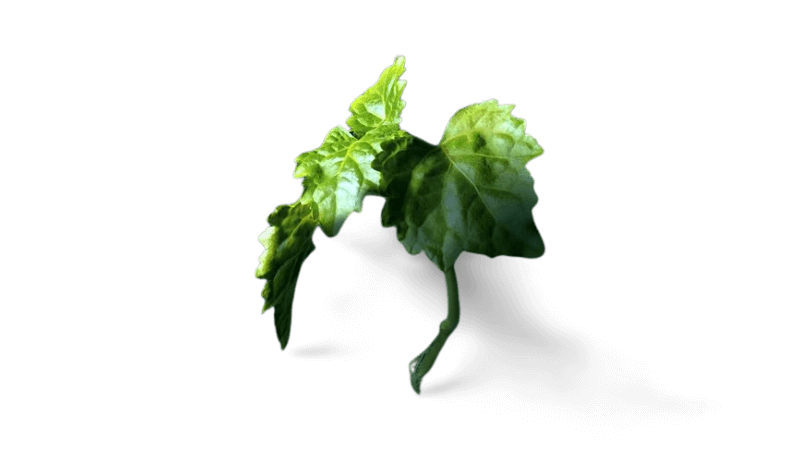
What Does Patchouli Actually Smell Like?
Patchouli is one of the most discussed and most misunderstood notes in all of perfumery. Its reputation precedes it, usually in one of two directions: either as the defining scent of the 1960s counterculture (which is accurate) or as something loud, overwhelming, and distinctly unfashionable (which is emphatically not). The truth of patchouli is considerably more complex, more interesting, and more beautiful than either stereotype allows.
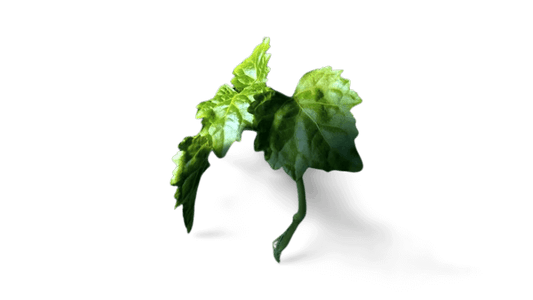
Patchouli essential oil, distilled from the dried and fermented leaves of Pogostemon cablin, smells of rich, dark earth — the forest floor after rain, the inside of a teak chest, a well-worn leather boot, the rich sediment at the bottom of a wine barrel. There is a camphoraceous sharpness in the top notes, which can initially read as slightly harsh or medicinal, but this dissipates quickly as the deeper character emerges: dark chocolate, fresh garden soil, dried fruit, aged wood, and a sweetness that is earthy rather than sugary. The overall impression is simultaneously primitive and sophisticated, deeply grounded and powerfully projecting.
The key to understanding patchouli in perfumery is recognising that the essential oil as it ages transforms dramatically. Freshly distilled patchouli oil has a sharper, more camphoraceous, and somewhat raw character. Aged patchouli — matured in barrels or vessels for months or years — develops extraordinary depth and smoothness, the camphor retreating and the darker, chocolatey, incense-like facets coming forward. This aged patchouli is one of the most prized materials in high-end perfumery, its complexity and smoothness genuinely comparable to a fine aged spirit.
The History of Patchouli in Perfumery
Patchouli's origins lie in Southeast Asia, where Pogostemon cablin has been cultivated for centuries in Indonesia, Malaysia, India, and the Philippines. The traditional use of patchouli in the region included repelling insects from stored fabrics and as an ingredient in incense and traditional medicine. It was this textile connection that introduced patchouli to Western Europe: fabrics exported from India during the nineteenth century were packed with dried patchouli leaves to deter moths during the journey, and the scent transferred to the cloth. European consumers, particularly in France and Britain, associated the exotic, earthy aroma with the luxurious Indian fabrics they were purchasing, and demand for patchouli-scented goods grew accordingly.
By the mid-nineteenth century, patchouli had found its way into European commercial perfumery. The Great Exhibition of 1851 in London included patchouli-scented products, and the note became fashionable among the bourgeoisie as a marker of sophisticated exoticism. The Victorian and Edwardian periods saw patchouli used extensively in heavy, oriental compositions alongside vetiver, labdanum, and sandalwood.
The twentieth century's most dramatic moment for patchouli came in the 1960s, when the counterculture movement adopted it — along with Indian fabrics, incense, and Eastern spirituality — as an olfactory symbol of its values. The use of patchouli as a masking agent for less socially acceptable smells was part of the reality; equally important was its genuine appeal as a natural, earthy, and intensely aromatic alternative to conventional Western perfumery. This association gave patchouli a cultural weight it carried well into the 1980s.
The rehabilitation of patchouli in serious commercial and niche perfumery began in earnest in the 1990s, accelerated by the extraordinary success of fragrances like Angel (1992) and gathered pace through the 2000s. Today, patchouli is universally recognised as one of perfumery's great base notes — as essential to the modern perfumer's toolkit as sandalwood or oakmoss.
Key Molecules and Extraction
Patchouli essential oil is obtained by steam distillation of dried, fermented patchouli leaves. The fermentation process — essential to the final quality of the oil — breaks down cell walls in the leaf and allows the aromatic compounds to be more efficiently extracted. The primary aromatic molecule in patchouli oil is patchoulol, a sesquiterpene alcohol that constitutes roughly 30 to 40 percent of the oil and is responsible for the characteristic earthy-woody core. Norpatchoulenol, though present in tiny quantities, contributes a powerful, refined character that is disproportionate to its concentration. Bulnesol, guaiol, and various related sesquiterpenes contribute additional woody and slightly camphoraceous facets.
Synthetic patchouli molecules have also transformed the ingredient's use in modern perfumery. Clearwood (a patented patchouli-derived molecule produced by Firmenich) produces a cleaner, more transparent patchouli character; various patchouli fractions allow perfumers to isolate specific facets of the oil and use them with precision. These innovations have made patchouli more compositionally flexible than ever, capable of contributing depth and complexity without the potentially overwhelming intensity of the full essential oil.
Famous Patchouli Fragrances
Thierry Mugler Angel (1992) is the fragrance that most dramatically changed the way the industry thought about patchouli. In Angel, perfumer Olivier Cresp combined patchouli with ethyl maltol (a candy-like sweetness), chocolate, and berry notes to create the first major gourmand fragrance and — incidentally — demonstrate that patchouli could be sweet, approachable, and commercially enormous. La Vie est Belle by Lancôme owes a considerable debt to the Angel tradition, using patchouli and iris alongside praline and vanilla in an extraordinarily successful composition that brought the sweet-earthy aesthetic to a massive mainstream audience.
Coco Mademoiselle uses patchouli in a completely different register — as a darkening, deepening agent for a rose-jasmine heart, providing the chypre-like depth that gives the fragrance its distinctive character. Black Opium by YSL deploys patchouli within a coffee-white flowers accord, the dark earthiness of the patchouli grounding the sweet, addictive opening and giving the fragrance considerable staying power. Tom Ford Black Orchid makes patchouli one of its foundational base materials, surrounding it with dark floral, chocolate, and incense notes to create one of the most opulent and distinctive fragrances in recent memory.
How Patchouli Interacts with Other Notes
Patchouli is one of perfumery's supreme fixative and modifier notes. Its ability to improve, deepen, and extend the character of other ingredients explains why it appears in so many successful compositions across such a broad range of families. With rose, patchouli creates the dark, modern floral that defines so many contemporary feminines — the rose's sweetness balanced and deepened by patchouli's earthy complexity. With vanilla, patchouli moves into the orientaland gourmand territory that Angel so memorably staked out. With bergamot and other citrus notes in the top, patchouli provides a classical chypre structure that has been one of perfumery's most enduring compositional strategies for over a century.
The relationship between patchouli and labdanum is particularly significant in the oriental tradition — together they create an amber-earthy base of extraordinary depth and warmth. Against sandalwood, patchouli's darker facets are softened and rounded, creating a woody base of great warmth and complexity. Oud and patchouli together are perhaps the most powerful double act in contemporary oriental perfumery — two dark, complex base notes that together create compositions of extraordinary density and persistence.
Patchouli in the Fragrance Wardrobe
Patchouli is an autumn and winter material in its most traditional, earthy expressions — heavy, warm, and grounding, ideal for the kind of brooding, complex fragrance that suits a cold day or an intimate evening. But the lighter, sweeter, more transparent patchouli compositions — particularly those in the sweet-earthy feminine tradition — can bridge seasons and wear appropriately in cooler spring and summer evenings as well.
Any serious fragrance collection should include at least one patchouli-forward piece. The note's complexity, longevity, and depth make it one of the most rewarding base materials to explore, and its range — from the transparent cleanliness of Clearwood-based compositions to the full, ancient earthiness of aged patchouli oil in a pure oriental — is wide enough to suit almost any palate and occasion. Understanding patchouli is, in many ways, to understand perfumery itself: the dark, complex, transformative nature of a great base note at work.